


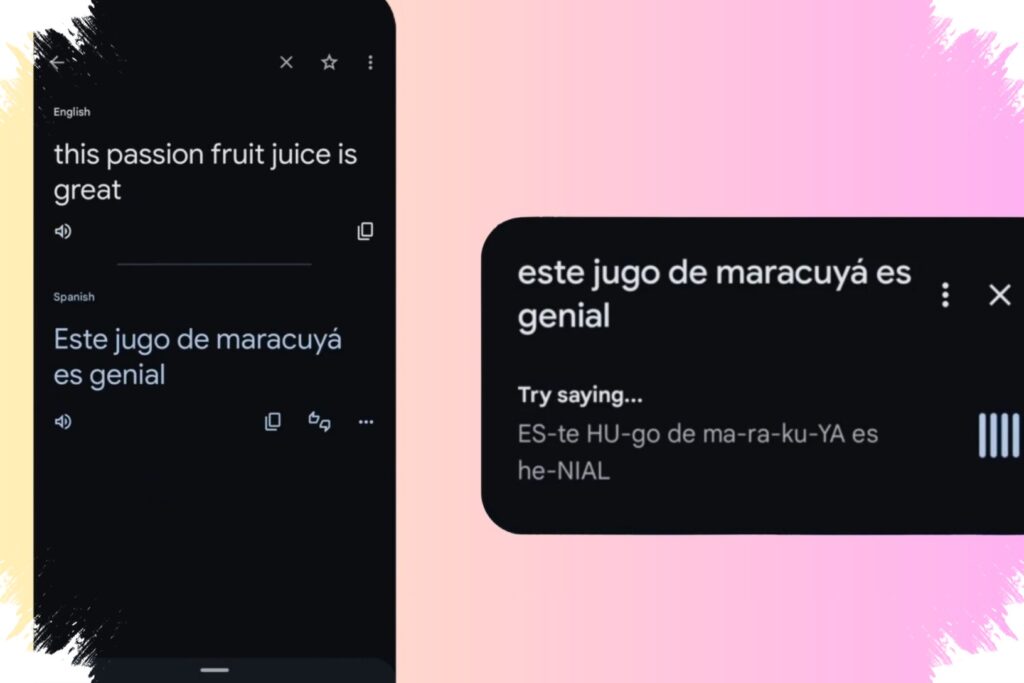
Google Translate is taking on a new role as it celebrates 20 years: not just translating text, but helping users speak foreign languages with more confidence. A new AI-powered pronunciation practice feature is being introduced on Android, bringing immediate feedback into the language-learning experience inside the app.
The update reflects a broader shift in how Google wants the service to be used. Google Translate is no longer presented only as a tool for quick text conversion, but also as a practical aid for everyday communication and speaking practice.
From an experimental project to a global platform
Google Translate first launched in 2006 as a simple experimental project. Over time, it grew into one of the largest translation platforms in the world, now supporting around 250 languages and more than 60,000 language pair combinations.
Its reach is also massive. Google says the service now covers about 95 percent of the world’s population, with more than one billion people using Google Translate every month. The platform also translates more than one trillion words per month, showing how widely it is used for daily conversations, quick phrase checks, and more specific cross-language needs.
Among the most frequently used language pairs is English to Spanish. That detail highlights how important translation remains for widely spoken global languages.
A new focus on speaking practice
The new pronunciation practice feature is designed to address one of the biggest challenges in language learning: speaking clearly and correctly. Instead of only showing translated text, the system analyzes the user’s speech and provides direct feedback on what needs improvement.
That instant response is the key element of the feature. Users can immediately see whether their pronunciation matches what is expected, making it easier to adjust and try again without leaving the app.
Google has also added conversation simulations in the Practice feature. These exercises are meant to help users prepare for everyday situations, so the learning process feels closer to real-world communication.
AI built for real language use
Google says the AI behind the feature does more than assess sounds. It is also designed to understand idioms, local slang, and the context in which language is used naturally.
That approach matters because pronunciation is only one part of speaking well. In real conversations, users also need to understand how words and expressions are commonly used by native speakers.
By combining speech analysis with contextual understanding, the feature aims to make practice more practical and relevant. It focuses not only on formal language but also on the expressions people are likely to hear in daily speech.
Limited rollout for now
The pronunciation practice feature is currently rolling out in the United States and India. At this stage, Google is limiting access to three languages: English, Spanish, and Hindi.
The gradual rollout suggests that Google is still refining the feature before expanding it further. Even so, the direction is clear: Google Translate is moving beyond simple translation and into language learning support.
For users, that means the app is beginning to serve a more active role in communication. It now offers a way to practice pronunciation, test responses in simulated conversations, and receive feedback that can help make spoken language feel more natural.