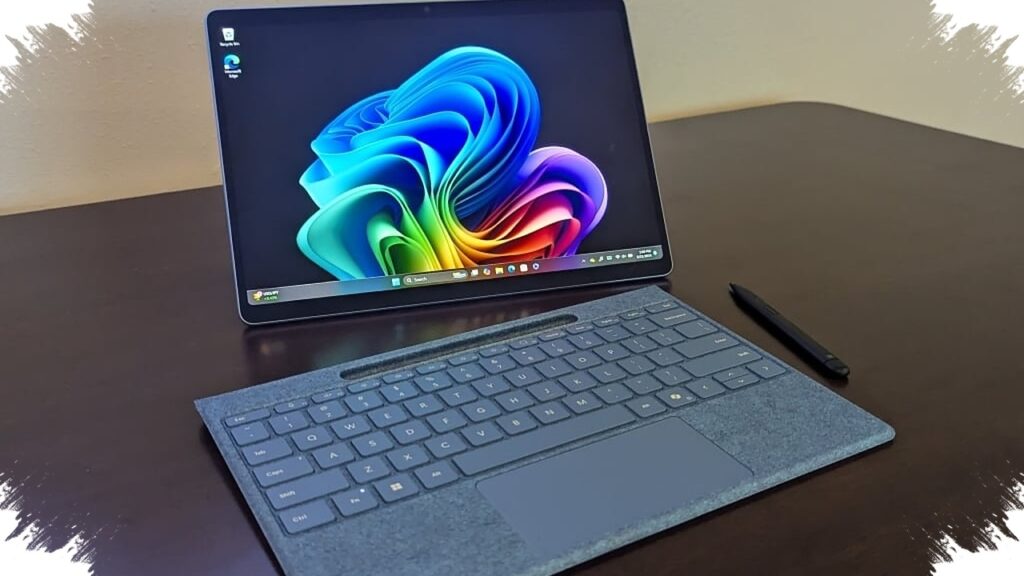
For years, Surface held a special place in the Windows world because it felt bold. That reputation is fading fast as fans increasingly see the lineup as expensive, cautious, and far less distinctive than before.
The criticism is not just about one new model. It reflects a broader belief that Surface no longer shapes the direction of the Windows PC market, and instead mostly delivers incremental updates that play it safe.
A brand that no longer feels experimental
Much of the frustration comes from how familiar the Surface formula has become. Surface in 2026 is being described as leaning on small refreshes rather than meaningful surprises, and that has weakened the sense of identity that once separated it from ordinary Windows laptops.
Microsoft still updates Surface Pro, but the wider lineup is no longer seen as a source of big ideas. Products that once helped define the brand’s different image are also gone, including Surface Hub, Surface Pro X, and Surface Duo, while Surface Neo never made it to release.
That shrinking range has made the brand look narrower and less adventurous. For many longtime followers, Surface no longer stands out as the category leader it once seemed to be.
Why the price debate has become impossible to ignore
The disappointment has grown sharper because the prices moved higher at the same time. Microsoft raised prices across all Surface PCs significantly in April, and the new positioning landed badly in a market where laptop buyers have more alternatives than ever.
Mid-range Surface devices now start at $1,000. The most affordable flagship option begins at $1,500, which makes the lineup harder to justify for buyers who expect more than incremental hardware changes.
Microsoft said the increase was driven by higher memory and component costs. Even so, many users see the timing as especially poor because competition in the laptop market has become more aggressive.
That contrast is part of the problem. Apple introduced the MacBook Neo starting at $599 around the same period, while the Surface Laptop 13-inch starts at $1,149, leaving Surface looking far less compelling on value alone.
Cale Hunt argued that the Surface Laptop 13-inch is almost impossible to recommend beside the MacBook Neo. The comparison has only intensified the sense that Surface is asking premium money for hardware that no longer feels premium enough to some buyers.
Longtime fans are the most vocal critics
The strongest disappointment is coming from people who used to champion the brand. On Reddit, some users said Surface used to be something they proudly recommended and owned in multiple generations, but no longer do so because the hardware no longer feels worth the price and Windows 11 has made the experience worse.
Others used even harsher language, calling the brand “boring,” “old and forgotten,” and “stagnant.” A separate group said Microsoft no longer appears serious about innovation in the Surface line.
That reaction matters because Surface built much of its reputation on being different from the rest of the Windows hardware market. Now, longtime supporters say it has become another expensive option without the same sense of purpose.
Microsoft’s new direction is safer, and that is part of the issue
The company’s current approach helps explain the change in perception. Surface has effectively been narrowed to two main forms: clamshell laptops and 2-in-1 devices.
Some of the models still in the lineup have gone years without major updates, although changes are expected soon. The broader strategy follows the major restructuring that came after Panos Panay left and Microsoft reorganized the Surface portfolio.
According to Zac Bowden, the latest Surface hardware is no longer meant to look experimental or unusual. Instead, the goal is to follow the market, appeal to as many buyers as possible, and avoid disruptive moves.
That approach makes business sense. Large design risks can scare off buyers and keep a category small, and Microsoft has taken a similarly cautious path with Windows on ARM. But many fans believe the company has pushed the strategy too far.
What Surface is losing in the process
The result is a brand that still makes competent devices but no longer feels memorable to many of its earliest supporters. Some users said Surface is now stagnant or dying, while others described it as a brand that once represented pride and now feels left behind.
Even in the clamshell segment, Surface no longer has an automatic advantage. ASUS Zenbook A16 is being pointed to as a more distinctive alternative, with a thin modern chassis, Snapdragon X2 Elite Extreme, and a design language that some users feel better captures the spirit Surface used to have.
That comparison leaves Microsoft with a larger challenge than a simple pricing complaint. If Surface continues to be seen as safe, iterative, and expensive, the brand may find that many of its most loyal fans have already moved on.