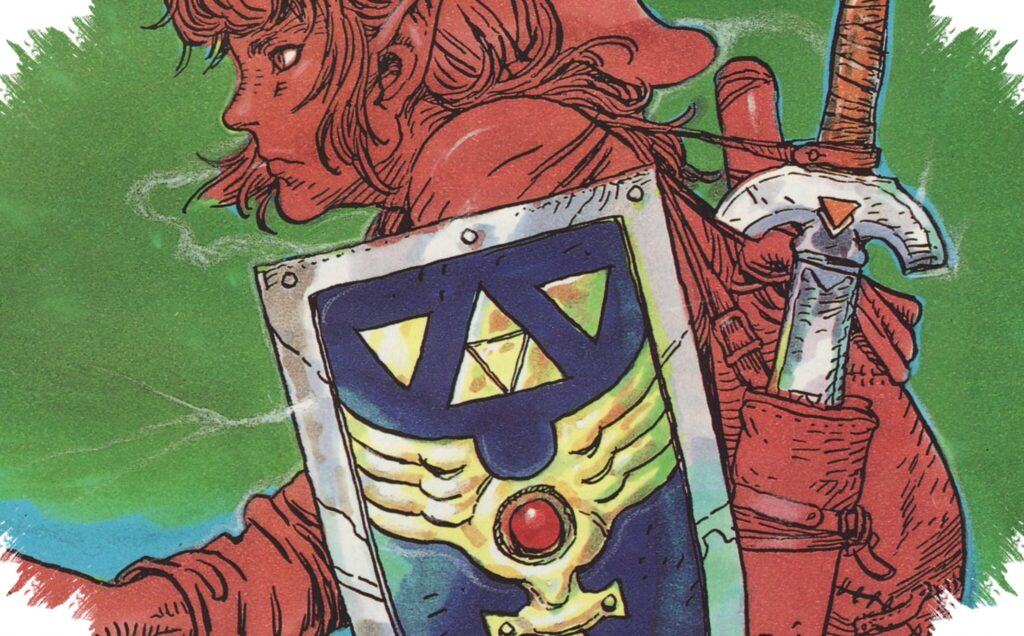
Shigeru Miyamoto’s old view of Zelda II: The Adventure of Link has returned to the spotlight, and it reshapes how many readers may look at one of Nintendo’s most debated sequels. In comments resurfaced through a special edition marking 40 years of The Legend of Zelda, Miyamoto described Zelda II as “sort of a failure” and said A Link to the Past was the true follow-up to the original game.
That remark matters because it reflects a long-running divide between the series creator and many fans. While players generally recognize Zelda II as part of the main franchise, Miyamoto has viewed it more as a side story than as the core continuation of the first adventure.
Why the comment is being discussed again
The statement came from a 2003 interview with Sweden’s Super Play magazine. It gained fresh attention after being highlighted in Retro Gamer’s special issue, “40 Years of The Legend of Zelda.”
In that interview, Miyamoto explained that Zelda II began as his idea, but development later moved to another team. He also said that his own games usually improve during production, yet Zelda II did not follow that pattern.
According to Miyamoto, the game remained essentially the same from start to finish. That, in his view, left the final result short of what he had expected.
A very different sequel on NES
Released for NES in 1987, Zelda II arrived one year after the success of The Legend of Zelda. Instead of repeating the first game’s formula, it took a more experimental route.
The game still used an overhead map for exploration across Hyrule, but its combat shifted into side-scrolling action. It also introduced RPG-style elements, including experience points, leveling, and magic spells.
Those changes made Zelda II stand apart sharply from its predecessor. Some players accepted the new direction, while others criticized its higher difficulty and controls that felt very different from the original game.
Why A Link to the Past gets a different label
In the same interview, Miyamoto said A Link to the Past should be considered the real sequel to The Legend of Zelda. He described Zelda II as more of a side story about what happened to Link after the first game.
That position helps explain why Zelda II has often occupied a unique place in the series’ history. It remains an important part of the franchise, but Miyamoto’s view has long influenced how it is discussed compared with other Zelda entries.
Commercial success, mixed reputation
From a business standpoint, Zelda II was not a failure. The game sold millions of copies and was widely seen as a major commercial success for Nintendo.
Its reputation among players tells a different story. Compared with many other Zelda titles, Zelda II often ranks lower in fan polls and best-of series lists, showing how divided opinions on the game have remained.
That contrast between strong sales and a mixed legacy is part of why Miyamoto’s old comment is resonating again. It highlights a rare case where a bold experiment in a landmark series was treated very differently by its creator and by the audience that followed it.
Source: www.notebookcheck.net