


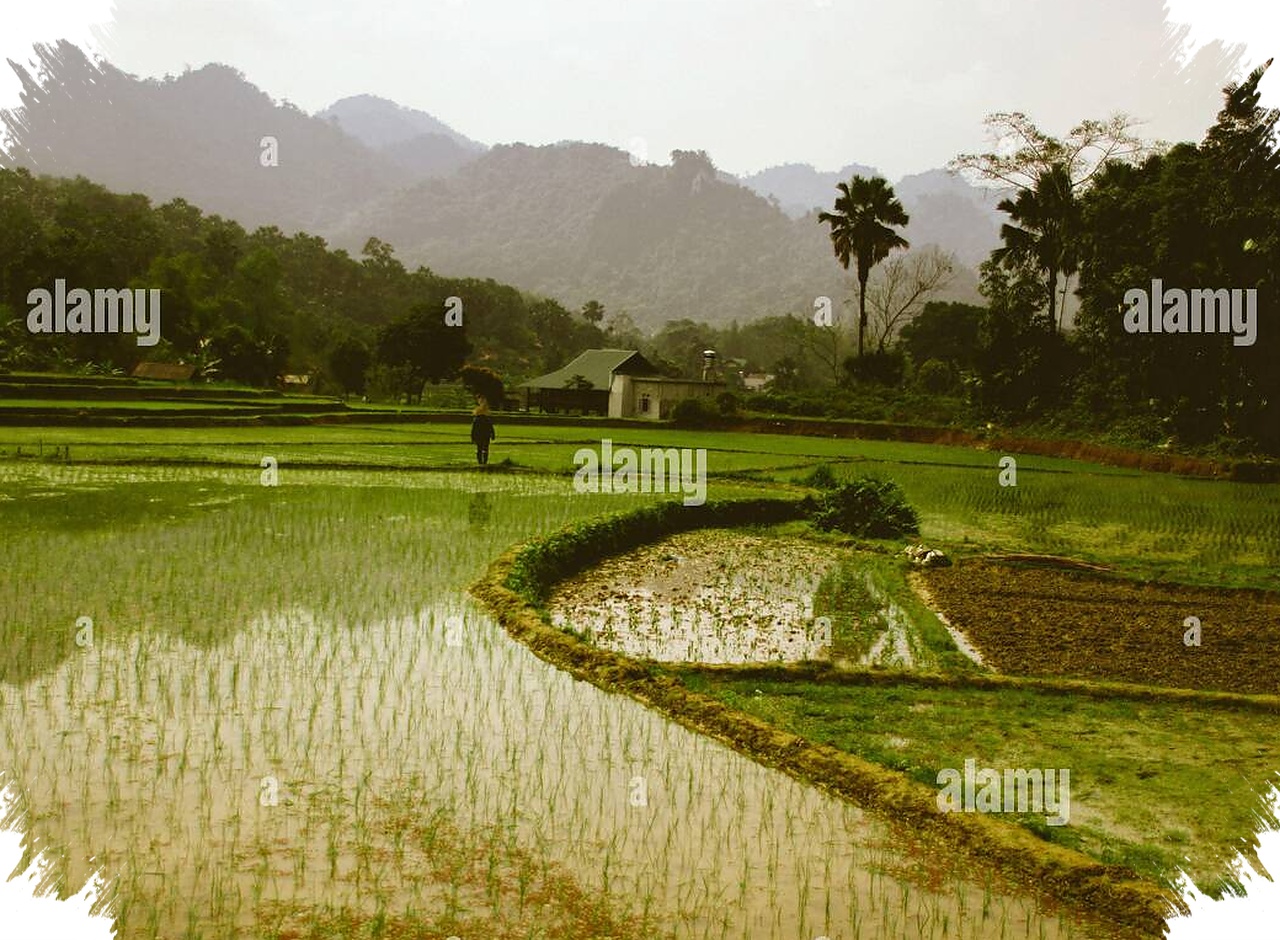
AI-generated photography is increasingly being used to turn ordinary scenes into visuals that feel more cinematic, and rice fields have become one of the most appealing settings for that approach. The combination of wide green landscapes, careful lighting, and film-like framing gives the images a natural but dramatic mood.
The appeal of this style lies in how it transforms a simple photo into something that feels emotional and layered. When the composition is built well, a rice field can do more than serve as a background because it also helps create atmosphere, depth, and a stronger sense of story.
Gemini AI is attracting attention in this space because it gives users room to shape expression, lighting, and composition with more precision. Small details such as where the subject is looking, the texture of the skin, and the movement of clothing can also be refined so the result does not appear stiff.
That level of control makes descriptive prompts especially important. The more specific the instruction, the better Gemini AI can understand the visual direction and produce an image that looks both realistic and emotionally resonant.
Why the cinematic rice-field look stands out
A cinematic style can make a simple portrait feel more polished and visually powerful. In a rice-field setting, the effect becomes stronger because the calmness of the landscape balances well with dramatic light and color treatment.
Warm tones are often used on top of the dominant green field to keep the image fresh while still adding emotional weight. Soft shadows, strong contrast, and supportive skies often help deepen the mood without losing the natural feel of the scene.
Some prompts also rely on mist, dark clouds, or dramatic sunset light to push the atmosphere further. These elements do not change the core setting, but they make the visual feel more alive and more like a frame from a film.
Six Gemini AI prompt directions for cinematic rice-field photos
One prompt places the subject standing casually on a rice-field path with the body slightly turned to the side. It asks for golden-hour light, thin mist, and an orange-gold sky to create a warm and natural atmosphere.
Another prompt positions the subject sitting on the edge of the field while looking toward the horizon. A soft light setup, gentle shadows, and dramatic dark clouds are used to build a more melancholic tone.
A third direction shows the subject walking slowly through the rice field with the face slightly lowered. Backlighting from the sun, a contrast between the sky and the green field, and natural movement in the hair and clothing are all included to create a reflective mood.
The fourth prompt presents the subject standing upright with a calm expression and a direct gaze. An overcast sky, side lighting with stronger contrast, and balanced framing are used to create a firmer visual composition.
A fifth prompt places the subject crouching near the edge of the field while touching the rice plants. Morning light from the front, stronger green tones, and a slightly blurred background help create a fresh and softer look.
The sixth prompt directs the subject to stand with the back facing the camera while the head turns slightly to the side. A red-violet sunset, stronger shadows, and a mysterious atmosphere are used to give the image more depth.
Keeping the result realistic
All of these directions share the same visual priority: the eyes must feel alive, facial texture should remain realistic, and body proportions need to look natural. That approach helps the final image resemble a real photograph rather than a machine-made picture.
Gemini AI is also used to preserve the human quality of the subject’s skin, face, and body. The goal is not just a dramatic image, but a visual that still feels believable as a scene captured from a film.
The strength of this concept comes from the combination of a rice-field backdrop, the right lighting, and clear visual instructions. When those three elements work together, an ordinary photo can shift into something more artistic, emotional, and cinematic.