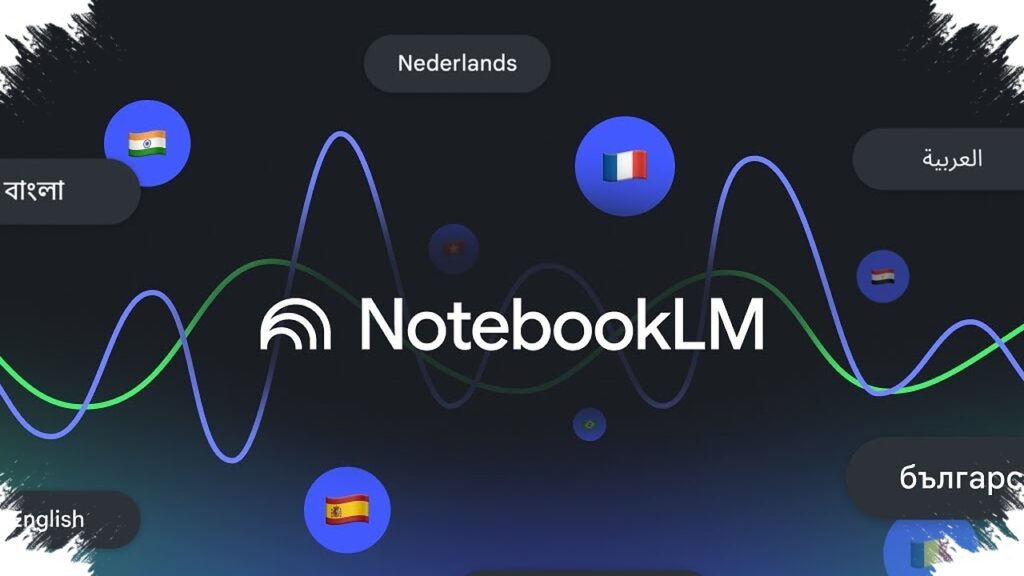
NotebookLM is moving beyond note summaries and into a more automated workflow, thanks to its integration with Codex. The combination is designed to collect data, organize it, and turn it into outputs that are ready to use, which makes it especially relevant for people who deal with recurring reports and constantly changing information.
That shift matters because many routine tasks still require repeated manual updates. With NotebookLM acting as a living knowledge hub, those updates can be streamlined while the system keeps information organized and current.
Codex as the link between platforms
In this setup, Codex works as the bridge through a Chrome extension. NotebookLM remains the central place for structuring information so it stays searchable and easier to process further.
Once connected, users can build automated workflows that move data across platforms and turn it into useful insights. This makes information management feel more compact and more directed.
The main value lies in linking data sources with an AI-based note system. That changes NotebookLM from a static storage tool into an active workspace that can keep updating itself.
Automatic data intake reduces repetitive work
One of the strongest use cases is automated data collection from multiple sources. With the right workflow, content inside NotebookLM can stay updated without users entering information one item at a time.
Codex can pull in the latest YouTube videos from selected channels to monitor relevant topics. It can also fetch daily stock market updates for analysis needs.
Beyond that, data can be synchronized from Google Sheets, RSS feeds, or direct APIs into a notebook. For teams and individuals who rely on fast-changing information, that keeps the knowledge base organized and current.
The practical result is a lighter administrative burden. Users can spend more time reading trends, evaluating data, or making decisions instead of manually maintaining documents.
From raw data to ready-to-use output
After the data is gathered in NotebookLM, Codex can reshape it into more operational outputs. That makes the integration useful for communication, analysis, and presenting information in a format that is easier to act on.
One example is creating personalized emails or team messages based on stored insights. This speeds up communication because the message does not need to be written from scratch each time.
The system can also generate daily summaries that highlight major trends, important updates, or performance metrics. In fast-moving workplaces, that kind of briefing helps everyone stay aligned on the same context.
For more demanding needs, structured data can be turned into detailed reports or visual presentations. A single workflow can therefore move from data collection to final delivery with minimal manual intervention.
Flexible enough for research, content, and team coordination
The NotebookLM and Codex pairing is also positioned as useful across different work scenarios. Workflows can be designed for research, operations, or content production depending on the need.
Universe of AI noted that the system can be used to track property market trends and spot investment opportunities. On the content side, users can build pipelines for blogs, videos, or social media campaigns.
For collaboration, project updates can be automated across tools such as Gmail, Google Drive, Slack, or Microsoft Teams. That is especially useful for teams working across several apps and needing consistent information flow.
A practical example is creating and distributing weekly progress reports to a team. The same updates can also be aligned across multiple work tools so everyone stays on the same page.
Why this integration stands out
The clearest benefit is time savings. Repetitive tasks can be shifted to the system, leaving people more room for strategic or creative work.
Productivity also improves because raw data can be turned directly into actionable insight. The faster information becomes usable, the faster decisions can be made.
Another important point is flexibility. The workflow is not limited to one type of user, since it can support business operations, academic research, or personal projects.
Over time, the NotebookLM and Codex combination also points to where AI automation may be heading. Its potential could expand into deeper platform integrations, more advanced data analysis, and more specific customization options.
For many users, that makes the new automation layer in NotebookLM more than just an added feature. It could become the starting point for a system that works faster, stays organized, and keeps pace with a more dynamic work environment.
Source: www.geeky-gadgets.com