The clash between OPPO Find X9s and iPhone Air is not really about which phone is more premium. It is about two very different ideas of what a flagship should prioritize in everyday use.
OPPO leans into endurance, camera flexibility, and durability, while Apple pushes an ultra-thin body, low weight, and the familiar appeal of iOS. That contrast makes this comparison stand out in the high-end market, where the more relevant question is often which compromise suits the user best.
Two premium phones, two priorities
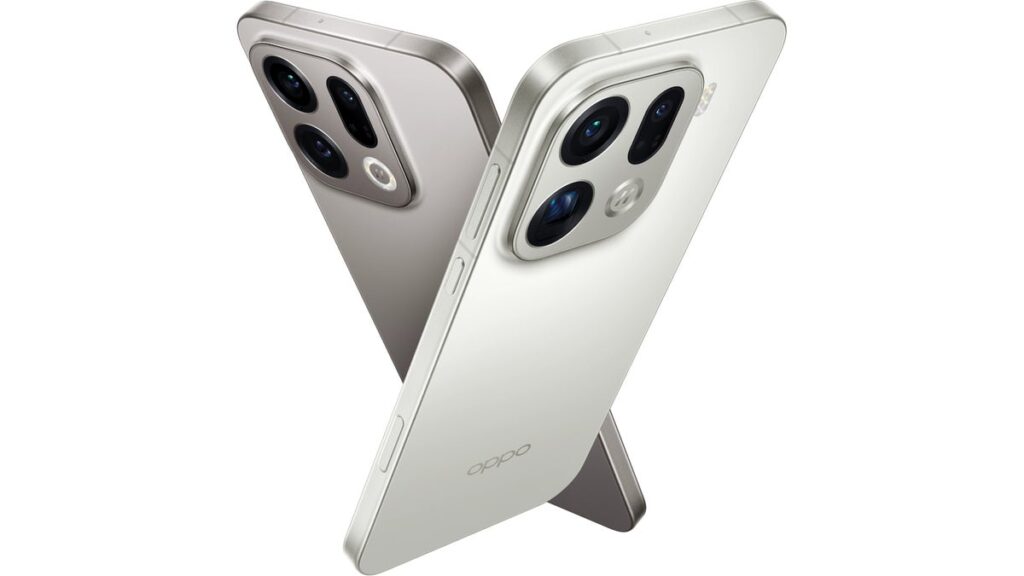
OPPO Find X9s is positioned as a compact flagship in the Find X9 lineup. It comes with a 7,025mAh battery, 80W fast charging, a MediaTek Dimensity 9500s chip, and a triple 50MP camera system developed with Hasselblad.
iPhone Air takes a more experimental direction. Apple gives it a 5.64 mm body, a weight of around 165g, the A19 Pro chip, a 120Hz ProMotion display, and the same iOS experience that many Apple users already know well.
Where design becomes the main debate
The iPhone Air is the one that immediately stands out visually. Its titanium frame, minimal look, and extremely slim profile give it a light and elegant feel in hand.
That thin approach also comes with trade-offs. The iPhone Air uses only one rear camera and relies exclusively on eSIM, which makes the device simpler than a traditional flagship phone.
OPPO Find X9s goes in the opposite direction with a 7.99 mm body and a 202g weight. It is not as thin as the iPhone Air, but its matte back, square frame, and large camera module make it look and feel more practical for daily use.
Displays with similar ambition, different character
Both phones still aim high in the display department. OPPO Find X9s uses a 6.59-inch AMOLED panel with a 2760 x 1256 resolution, a 120Hz refresh rate, support for 1.07 billion colors, DCI-P3 color gamut, and peak brightness of up to 3600 nits.
The larger screen size gives it an edge for watching films, reading news, gaming, or editing photos. Its narrow bezels also help the display feel wider and more modern for its class.
iPhone Air counters with a 6.5-inch Super Retina XDR display with ProMotion 120Hz, Dynamic Range, Always On Display, HDR, True Tone, wide P3 color gamut, and outdoor peak brightness of 3000 nits. Even with its very slim body, the screen still offers strong visual quality and clear outdoor visibility.
Battery and camera separate the two most clearly
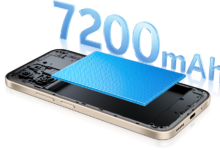
On endurance, OPPO Find X9s takes a much more aggressive position. The 7,025mAh battery gives it a strong base for long use, while 80W fast charging adds practical value for users who are often on the move.
The camera setup is also one of its biggest strengths. The three 50MP cameras give OPPO Find X9s more flexible multi-focal photography options for different shooting needs.
iPhone Air does not try to win with a complex camera arrangement. Its appeal is centered more on compactness, light weight, and a comfortable experience for users who prefer simplicity.
Durability and ecosystem still matter
OPPO Find X9s also adds a strong sense of protection through IP66, IP68, and IP69 certification. That combination makes it feel better prepared for users who travel often or use their phones heavily throughout the day.
iPhone Air relies on a different kind of value, namely Apple’s ecosystem and high build quality. For users already comfortable with iOS, that can matter more than the number of cameras or the size of the battery.
In the end, the choice comes down to what matters more in daily use. OPPO Find X9s is the stronger fit for buyers who want a complete package with a large battery, more flexible cameras, and strong durability, while iPhone Air is aimed at those who place the highest value on an ultra-slim design, light weight, and a very compact iPhone experience.