The premium smartphone market may be heading into a far more expensive phase than many buyers are used to. Xiaomi President Lu Weibing has suggested that flagship phones in China could reach 10,000 yuan or more in the second half of 2026, a level that would push top-tier devices well beyond today’s pricing norms.
That forecast has drawn attention because Chinese brands have long built their reputation on high specifications at relatively aggressive prices. Now, rising component costs, especially for memory, are starting to reshape how much a flagship phone may cost before it even reaches store shelves.
Memory costs are becoming the main pressure point
Lu said component prices remain highly volatile, with memory among the biggest drivers of the increase. That pressure is not limited to Xiaomi, as Oppo, Vivo, and Honor are also facing the same global component challenges.
The problem is not just a short-term pricing spike. Memory costs have continued to rise for some time, and there is still no clear sign of stability in the near term.
Flagship pricing is already moving upward
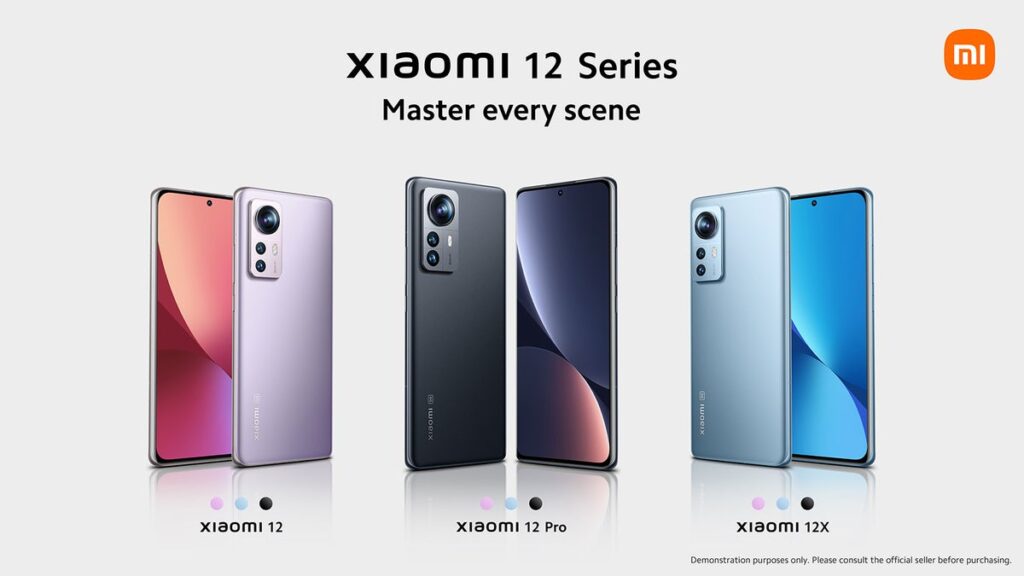
Xiaomi’s own current pricing shows how quickly the market is shifting. The Xiaomi 17 Ultra, which launched in December 2025, starts at 6,999 yuan, or around Rp18 million.
If the projected move to 10,000 yuan happens, the next generation of premium phones could rise by more than Rp7 million. For a market that has become accustomed to premium devices in the Rp15 million to Rp20 million range, that would mark a noticeable jump.
Higher costs are affecting production decisions
The pressure does not stop at parts prices. Smartphone makers are also finding it harder to absorb higher production costs, because rising memory prices cannot be solved quickly.
Building new memory production facilities requires large investment and years of work. At the same time, demand for high-performance hardware continues to grow, especially as AI features become more central to device development.
That combination suggests the cost burden may remain in place longer than many manufacturers would like. Lu even indicated that the situation could continue into 2027 or 2028.
Xiaomi still wants to keep value in focus
Despite the higher cost environment, Xiaomi says it still wants to balance price and product value. The company wants users to feel that any higher price still comes with meaningful gains in specification and premium experience.
Internal pricing discussions are still underway for upcoming devices, including the Xiaomi 17 Max. That shows how manufacturers are trying to manage a market where top-end features such as advanced cameras, the latest chipsets, larger memory capacities, AI support, and more sophisticated displays all add to the final cost.
The shift is also changing the meaning of a flagship phone from China. For years, the category was closely associated with “flagship killer” devices that delivered strong hardware at competitive prices, but the latest cost pressures are pushing that identity toward a more expensive era.
Source: www.gadgetdiva.id