For many people, a full night in bed does not always lead to a refreshed morning. The reason is not only how long someone sleeps, but also how that sleep is distributed across the night.
That is where a smartwatch becomes more than a simple step counter. It can read sleep patterns, identify different sleep stages, and help the wearer wake up at a more suitable moment.
Sleep is measured by more than total hours
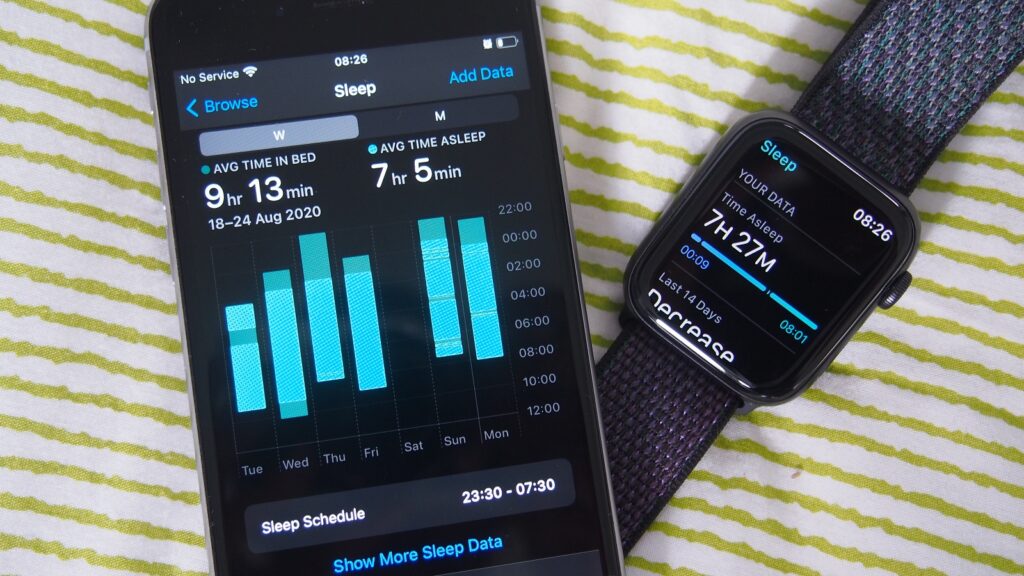
A smartwatch uses sensors such as an accelerometer and an optical heart rate sensor to track movement and pulse through the night. From that data, it maps sleep into several stages, including light sleep, deep sleep, and REM sleep.
Each stage serves a different purpose in the body. Deep sleep supports cell repair, growth hormone release, and physical recovery, while REM sleep is linked to mental health and memory processing.
This is why a person may still feel exhausted after sleeping for many hours. If the balance between deep sleep and REM sleep is not right, the body may not feel fully restored by morning.
From raw data to more practical advice
The value of the smartwatch does not stop at recording sleep. After monitoring over several days, the companion app usually presents a more complete and easier-to-read report.
From that report, the system can provide suggestions that fit the user’s habits more closely. Someone who wakes up often during the night may receive recommendations such as adjusting room temperature, avoiding caffeine at certain hours, or trying breathing exercises before bed.
This makes sleep tracking more useful in everyday life. Users are not only looking at numbers, but also receiving guidance that can be applied the next night.
A smarter way to wake up
One of the most notable features is Smart Alarm. Unlike a conventional alarm that rings loudly and may interrupt deep sleep, this function looks for a better moment to wake the body.
The smartwatch detects when the user is in light sleep and then gives a gentle vibration as a wake-up signal. That creates a more natural transition from sleep to awareness and avoids a sudden jolt.
For many people, how the morning begins affects the rest of the day. Waking up without feeling dizzy can help the day start in a calmer way.
A health assistant that works through the night
The development of smartwatch features shows how the device’s role has expanded. It is now positioned as a personal health assistant that continues working while the owner sleeps.
By understanding what happens overnight, users no longer need to guess why they still feel tired. Sleep data, sleep-stage analysis, and personalized recommendations provide a clearer picture of what the body needs.
That also changes how rest is viewed. A night that seems ordinary can still become more effective for recovery, while the next morning has a better chance of feeling fresher and more productive.