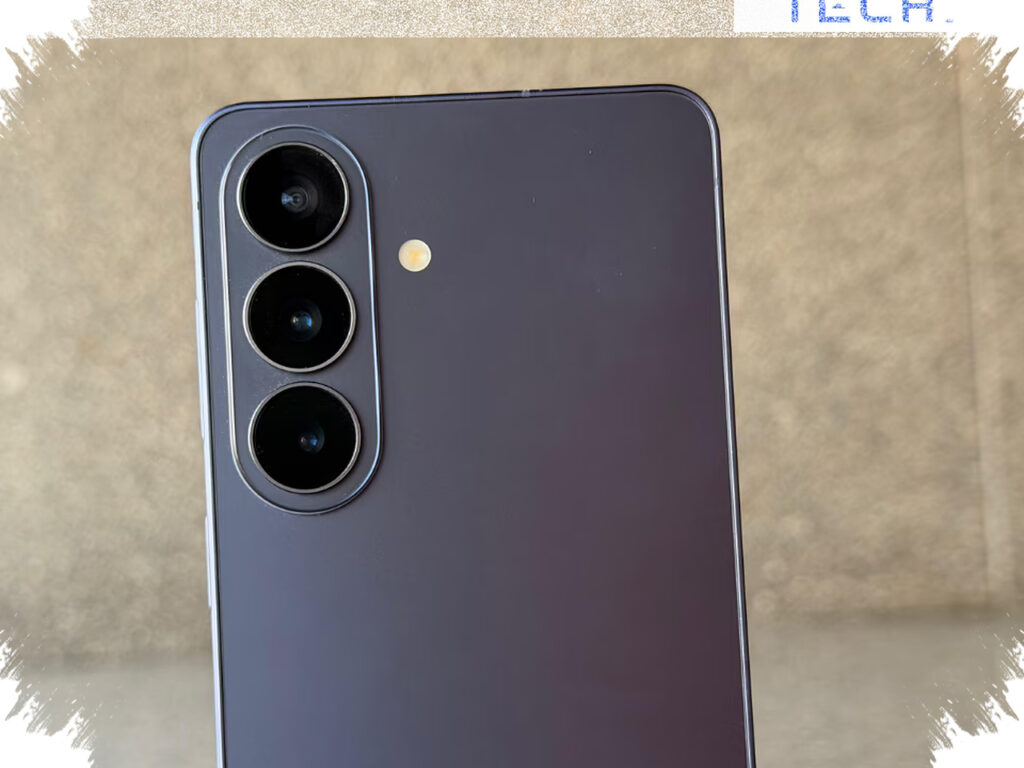
Samsung’s next flagship move may not be about pushing the longest zoom reach. Instead, the company appears to be working on a Galaxy S27 Pro that could stand out by delivering brighter night-time telephoto shots than the Ultra.
That is the most intriguing part of the latest chatter around the upcoming lineup. On paper, the Galaxy S27 Ultra still looks stronger in pure zoom range, but the Pro model may end up being the more interesting device for users who care about real-world low-light photography.
A telephoto setup that changes the balance
The main differentiator is expected to be the telephoto camera. Samsung is said to be preparing ALoP, short for All Lenses on Prism, for the Galaxy S27 Pro, and that approach is different from the conventional telephoto design used in many flagship phones.
For the Galaxy S27 Pro, Samsung is reportedly lining up a 50MP telephoto camera with 3.5x optical zoom. The Galaxy S27 Ultra, by comparison, is said to keep a traditional 50MP telephoto lens with 5x zoom.
That means the Ultra would still hold the edge in reach. Even so, Samsung is reportedly claiming the ALoP system can make the module slimmer while also producing brighter images, especially in low-light conditions.
Why the Pro could matter more at night
If those claims hold up, the Galaxy S27 Pro may offer a more appealing zoom experience in dark environments. A more compact camera design could also help Samsung improve the phone’s overall camera identity without relying only on higher zoom numbers.
That would make the Pro more than just a lower-tier alternative to the Ultra. It could become a device with a clearer photography focus, especially for people who care about telephoto performance in the evening or in dim indoor scenes.
The idea is notable because flagship phone comparisons often center on zoom distance alone. In this case, Samsung seems to be betting that image brightness and camera design may matter just as much as raw zoom reach.
Shared camera hardware with the Ultra
The rest of the rear camera setup may narrow the gap further. The same reports say the Galaxy S27 Pro and Galaxy S27 Ultra could share the same 200MP main camera sensor.
Their ultrawide cameras are also said to be similar. In other words, the biggest distinction between the two models may not be the main camera or the ultrawide lens, but the way Samsung handles telephoto photography.
That gives the Galaxy S27 Pro a more ambitious position than a typical premium variant. With a 200MP main camera and an ultrawide camera aligned with the Ultra, the model appears to be aimed at users who want a serious camera phone without necessarily moving all the way to the top tier.
A new slot in Samsung’s flagship lineup
Samsung was previously rumored to bring a “Pro” name to the Galaxy S26 series, but that plan did not happen. The company kept its familiar naming structure for that generation, and the new branding may now arrive with the Galaxy S27 line instead.
According to Android Headlines, the Galaxy S27 Pro could fill the space between the regular model and the Ultra. That would give Samsung another way to separate its flagship family by usage, not just by price or camera count.
The device is also said to feature a 6.47-inch OLED display, which keeps it firmly in premium territory. At the same time, some high-end features may still be shared with the Ultra, while S Pen support is expected to remain a signature feature of the Ultra model.
That separation suggests Samsung is drawing a clearer line between the two. The Ultra would stay the most complete option, with S Pen support and longer optical zoom, while the Pro could be aimed more directly at users who prioritize camera performance over stylus features.
If the leaks are accurate, the Galaxy S27 Pro may become one of Samsung’s most camera-focused non-Ultra flagships yet. Its appeal would not come from beating the Ultra across every spec, but from offering a telephoto system that may perform better when light gets scarce.
Source: www.techlusive.in