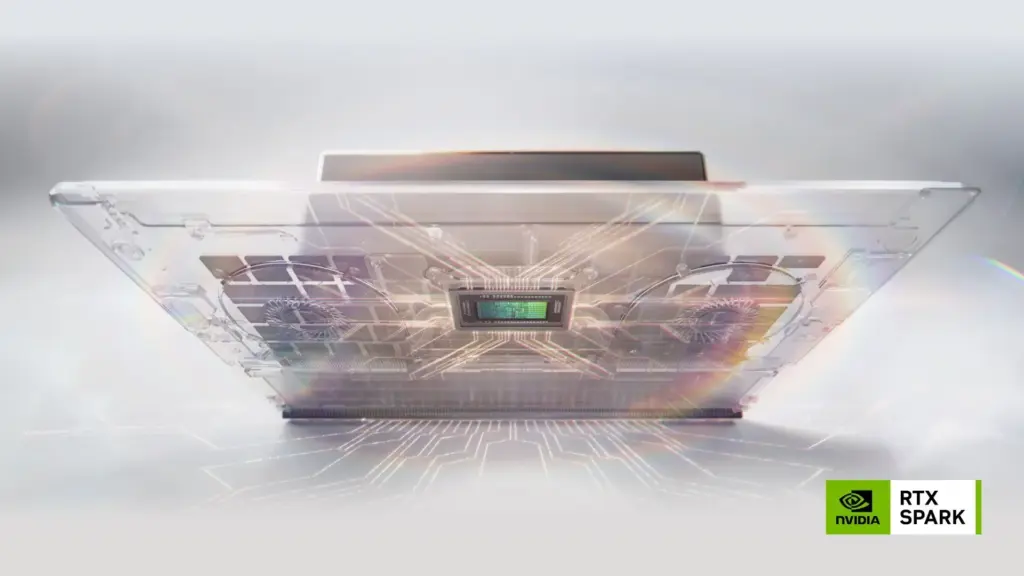
Nvidia’s latest push into Windows laptops is becoming easier to see in the details. The company has already confirmed eight models built around RTX Spark, out of nearly 30 Windows laptops and PCs that are being prepared.
That initial list is small, but it already signals where Nvidia wants to compete. RTX Spark is being positioned as “the most efficient PC chip ever made,” while Nvidia is also introducing new Windows PCs powered by the N1X processor in a broader attempt to pressure Intel, AMD, and other major chipmakers.
The first confirmed RTX Spark laptops
The confirmed lineup so far includes ASUS ProArt P14, ASUS ProArt P16, Dell XPS 16, HP OmniBook X 14, HP OmniBook Ultra 16, Lenovo Yoga Pro 9N, Microsoft Surface Laptop Ultra, and MSI Prestige 16 AI Flip. Dell’s model is listed as the XPS 16 Creator Edition, while MSI is also identified as the Prestige N16 Flip AI+ in official descriptions.
The range of names matters because it shows Nvidia is not targeting a single laptop category. The confirmed devices span creator-focused machines, premium 2-in-1 designs, and models aimed at gamers, professionals, and AI developers.
Creator laptops get the earliest spotlight
ASUS is positioning the ProArt P14 and ProArt P16 as thin-and-light laptops for creators who work on the move. Both models are described as combining strong AI performance, ASUS Lumina Pro OLED displays, and all-day battery life, with 14-inch and 16-inch versions available in Nano Black and Neo White.
HP is bringing two models of its own, the OmniBook X 14 and OmniBook Ultra 16. These laptops are aimed at creators, gamers, and AI developers, with a focus on strong local AI performance to speed up workflows.
Lenovo is placing the Yoga Pro 9N in a similar space. It is presented as a portable creator laptop that combines the Yoga family identity with Nvidia’s latest chip, while promising longer use away from power outlets.
Dell and MSI lean on premium displays
Dell is using the XPS 16 Creator Edition for demanding creative work. The company says the laptop offers GPU power for smoother 4K timeline playback, faster exports, and more fluid use of AI tools.
Dell is also emphasizing a Tandem OLED display with True Black HDR 600. Built-in SD card support and HDMI help keep the machine practical for both field work and desk use.
MSI is taking a different path with the Prestige N16 Flip AI+, which is described as a thin-and-light 2-in-1. The listed features include a 16-inch UHD+ Tandem OLED display, Nvidia AI acceleration, and a 99.9Wh battery to support creators, professionals, and gamers on the move.
Microsoft’s model remains the least detailed
Among the eight confirmed devices, Microsoft Surface Laptop Ultra has been revealed with the least information. No official details have been added to the available description so far.
The same limited disclosure also applies to pricing and detailed specifications across the confirmed RTX Spark lineup. That means the public picture is still incomplete even as the first wave of devices starts to take shape.
What Nvidia is building underneath
The strongest clues about RTX Spark come from the platform itself. In a Windows blog, Executive Vice President Windows + Devices Pavan Davuluri said RTX Spark delivers 1 petaflop of AI performance, industry-leading performance per watt, the full NVIDIA AI stack and RTX graphics technology, up to 6144 Blackwell RTX cores, up to 20 power-efficient Arm-based cores, and unified memory of up to 128GB.
Those specifications point to a clear goal. Nvidia is trying to make RTX Spark a high-end foundation for AI laptops that can handle demanding workloads while still keeping power use in check.
The early positioning of the devices matches that idea. Across the confirmed models, the pitch centers on video editing, content export, local AI use, mobile creative work, premium visual experiences, and high-performance computing without giving up portability.
Source: tech.sportskeeda.com