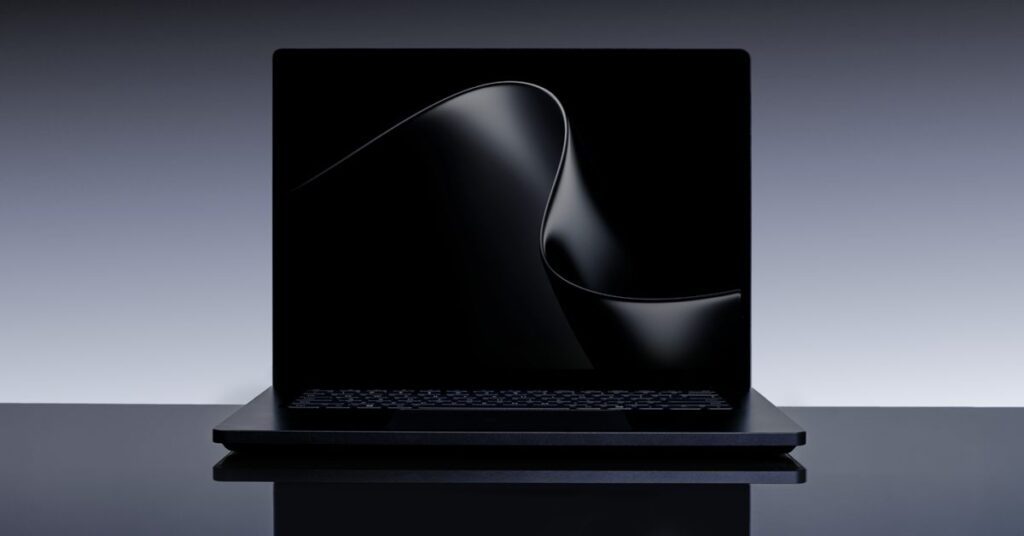
Microsoft is making a stronger push to turn Surface into more than a productivity line, and the new Surface Laptop Ultra is the clearest sign yet. With an NVIDIA RTX Spark GPU, an Arm-based processor, and the brightest display ever used in a Surface device, the laptop is aimed squarely at creators, local AI workloads, and heavier computing tasks.
That positioning matters because Microsoft is no longer presenting Surface as a standard thin-and-light family. The company is tying the new hardware to a broader Windows strategy that is meant to improve how Arm devices handle demanding software, shared memory, and graphics-heavy work.
A display built for serious visual work
The Surface Laptop Ultra uses a 15-inch mini-LED PixelSense Ultra touchscreen. Microsoft says it is the brightest panel ever used in a Surface device, with HDR peak brightness reaching 2000 nits and a pixel density of 262 pixels per inch.
Those numbers place the screen in a more ambitious category than a typical productivity laptop panel. The display is clearly meant to support HDR content and creative workflows, while also giving the device a premium feel that goes beyond core specifications.
Microsoft also fitted the laptop with the largest trackpad ever seen on a Surface device. That detail reinforces the company’s focus on a more polished user experience, not just higher-end hardware on paper.
RTX Spark and Arm sit at the center of the plan
Inside, the Surface Laptop Ultra combines an Arm-based processor with NVIDIA RTX Spark graphics. Microsoft is also updating Windows so the system can make better use of unified memory architecture.
RTX Spark supports unified memory up to 128GB, and Microsoft is working on changes to Windows that raise the GPU-accessible memory limit. The company is also improving how Windows handles memory page sizes on unified memory systems.
These changes matter because the CPU and GPU share memory in this setup. That design can help the laptop handle larger local AI models and more complex creative projects, but it also requires the operating system to manage resources more efficiently when workloads become heavy.
Thermals and sustained performance are part of the design
Microsoft is working with NVIDIA through the Microsoft Power and Thermal Framework, or MPTF. The goal is to improve performance per watt while keeping temperatures under control.
That approach suggests the Surface Laptop Ultra is intended for sustained workloads rather than short bursts of speed alone. Microsoft appears to be optimizing the device for stability under pressure, which is important for creative users and AI-focused tasks that can run for long periods.
Creative software support is a major priority
Microsoft is also lining up the software side of the story. Adobe Photoshop and Premiere are said to run natively on Arm and have been optimized specifically for RTX Spark.
Other native apps mentioned for the platform include Blender, DaVinci Resolve, Cinema4D, Redshift, Topaz Photo, CapCut, Cubase, and Affinity by Canva. That list is important because software compatibility has long been one of the biggest concerns for Arm-based Windows laptops.
For users who still rely on older x86 applications, Microsoft is continuing to lean on its Prism emulator. Prism now supports RTX Spark, which means legacy apps can still benefit from graphics acceleration.
Windows 11 is being adjusted to support the shift
The launch of the Surface Laptop Ultra also comes with broader Windows 11 improvements that are expected later this year. Microsoft points to better app interaction through the WinUI3 framework, an improved Linux Subsystem experience, stronger operating system reliability, and wider taskbar customization.
Taken together, those changes show that the laptop is part of a wider platform effort. Microsoft is trying to make Windows more ready for Arm devices, local AI, and mixed CPU-GPU workloads at the system level, not just at the hardware level.
Ports and gaming support round out the device
Microsoft has also given the Surface Laptop Ultra a set of ports that is unusual for a thin premium laptop. The device includes HDMI, USB-C, USB-A, an SD card slot, and a headphone jack.
That selection should make the laptop easier to use for photographers, video editors, and people who present often without carrying adapters. It also makes the machine more practical for a wider range of professional setups.
Gaming support is present, but it is not the main story. Microsoft says the supported game list is still growing, with League of Legends, Valorant, PUBG, Alan Wake 2, Naraka: Bladepoint, and War Thunder among the titles already mentioned.
The Surface Laptop Ultra will arrive in Platinum and Nightfall. Microsoft says it will launch later this year, although pricing has not been announced.
Source: www.gizmochina.com