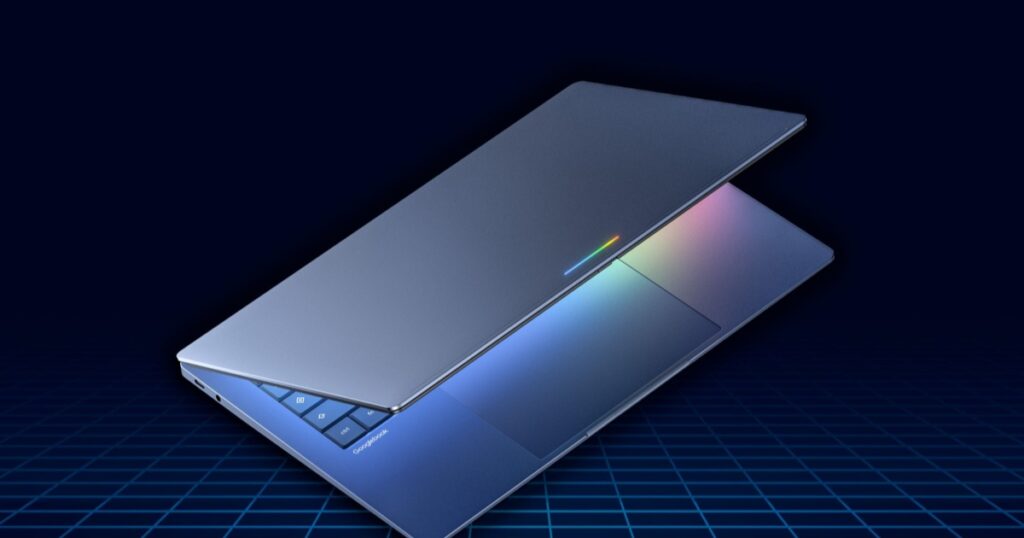
Google’s move into the premium laptop space does not mean its cheaper Chromebook lineup is being pushed aside. The company is signaling a broader ChromeOS strategy, with high-end Googlebook models at one end and more affordable options still planned for buyers who need lower prices.
John Maletis, Google’s Vice President and GM for ChromeOS, said in an interview with Chrome Unboxed that the company still wants technology and productivity tools to remain accessible across different price points. That position matters because the first Googlebook device is aimed squarely at the premium segment, not at replacing budget laptops already in the market.
Two product lines, two clear roles
Googlebook and Chromebook are being treated as separate lanes rather than one replacing the other. Googlebook is positioned to compete with Apple’s higher-end MacBook lineup, while Chromebook continues to serve users who care most about affordability.
That approach suggests Google sees value in keeping its existing ChromeOS family intact. Even as Googlebook takes the brand into a more premium category, Chromebook remains part of the company’s portfolio for cost-conscious buyers.
Why the timing matters
Google’s strategy arrives at a moment when the laptop market itself is leaning more heavily toward premium devices. The Register reported that Lenovo posted record revenue after shifting toward premium PCs and discontinuing its budget line.
That shift is tied in part to a RAM crisis that has made low-cost laptop production less profitable. With pressure on manufacturing costs, more vendors are focusing on higher-margin devices and paying less attention to the entry level.
Affordable laptops are still in play
Even so, the budget end of the market has not disappeared. Apple now offers the MacBook Neo as one of its lower-priced options, showing that demand for more accessible laptops still exists alongside premium models.
The MacBook Neo is priced at $599 and comes with a 13-inch Liquid Retina display with 2408 x 1506 resolution, an A18 Pro chip, 8GB of RAM, a 256GB SSD, and a 1080p FaceTime HD camera. Apple also sells a version with TouchID and a 512GB SSD for $699, while the laptop weighs 2.7 pounds and comes in Indigo, Blush, Citrus, and Silver.
Outside Apple’s ecosystem, buyers still have alternatives such as the Lenovo IdeaPad Slim 3x and Acer Aspire Go 15. That range gives consumers choices across ChromeOS, Windows, and macOS depending on budget and preference.
A cheaper Googlebook is planned, but not dated
Google has also said it will eventually offer a more affordable Googlebook variant, although no launch timing has been revealed. Maletis did not say when that lower-cost model will reach the market.
Until that happens, Chromebook remains the practical option for shoppers who do not want to wait. Pressure on memory prices is also expected to continue through 2026, which means the pricing challenge for budget laptops may not ease anytime soon.
Source: telset.id