Apple is sending a clear signal that the next wave of iPhones may cost more, as the memory market comes under heavy pressure. The immediate concern is not only higher component costs, but also how far those increases could reshape pricing for its most expensive devices.
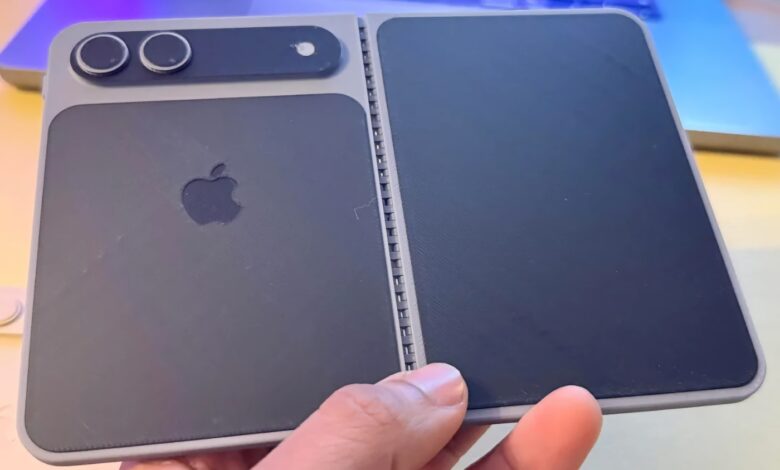
The sharpest impact may fall on the rumored iPhone Fold, which is expected to arrive later this year. With a book-style folding design and a tablet-sized flexible display, the device was already expected to sit in the ultra-premium category before memory costs became a bigger problem.
Memory demand is driving the squeeze
Price estimates for the highest-capacity iPhone Fold variant reportedly fall between USD 2,000 and USD 2,600. That would roughly translate to around Rp 35 million to Rp 50 million before import taxes in the domestic market.
The increase is not happening in isolation. Demand from the artificial intelligence industry has pushed RAM consumption to a massive scale, as major technology firms secure large supplies for their servers.
On Thursday (18/6/2026), Mirror reported that leading memory makers are redirecting production capacity toward AI needs. That shift is tightening supply for consumer devices and making memory far harder to source at stable prices.
Semiconductor supply chains are also under strain
The pressure is being compounded by a helium supply disruption in the semiconductor industry. The critical material has been affected by armed conflict in Iran, even though helium plays an essential role in chip manufacturing.
As a result, global chip production costs have climbed to their highest level. When raw materials and components rise at the same time, device makers have less room to keep retail prices steady.
Apple has already acknowledged this broader pressure through Tim Cook. In remarks to the Wall Street Journal, he said the company is trying to reduce the large price increases being passed on to Apple, but that the situation has become unsustainable.
Cook says memory prices must normalize
Cook also said the market needs memory prices and supply to return to a normal level for consumer products. That comment suggests Apple sees the issue as more than a temporary disruption and as a serious threat to pricing stability across electronics.
The problem is unfolding just as consumer demand for new devices remains strong. That combination gives memory makers room to raise prices, while companies such as Apple must either absorb the pressure or pass it on to buyers.
For consumers, that could mean the next iPhone generation no longer stays in the same price range as previous models. For Apple, the tension in the RAM market and semiconductor supply chain makes pricing for premium products like the iPhone Fold increasingly difficult to predict.