Apple is approaching a point where it may no longer be able to hold iPhone prices steady. Tim Cook has acknowledged that rising costs for key components, especially memory and storage chips, are making higher prices difficult to avoid.
The pressure is being driven by a sharp shift in the semiconductor market, where demand from AI infrastructure is reshaping supply priorities. For Apple, that means the cost problem is no longer limited to one product line and could spread across its hardware portfolio.
AI demand is squeezing chip supply
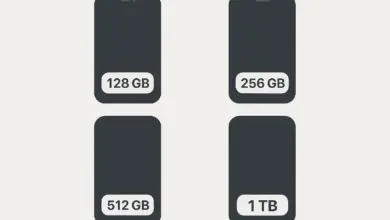
The biggest disruption is coming from the DRAM and NAND markets, which supply the memory and storage used in devices such as iPhone, iPad, and Mac. Major AI-focused companies including Google, Microsoft, Meta, and Amazon are said to be buying large volumes of high-bandwidth memory for data centers.
As a result, DRAM and NAND prices have surged sharply since last year. The increase is reported to have reached four times previous levels, while consumer-device supply has become tighter.
Apple can no longer absorb every increase
In an interview with The Wall Street Journal, Cook said Apple has tried to absorb higher costs for as long as possible. He also said the company has worked to protect customers from passing those increases through too quickly.
Even so, he described the current situation as a critical point, suggesting Apple now has less room to shield buyers from the impact. Suppliers such as Samsung, SK Hynix, and Micron are reportedly prioritizing more lucrative AI contracts, which leaves less allocation for consumer electronics.
Which products may feel the impact first
Cook did not say which devices would be affected first or when any pricing changes might begin. Still, analysts and market watchers believe Mac and iPad could feel the pressure earlier than other products.
Attention is also turning toward the iPhone 18 lineup and Apple’s first foldable iPhone, both of which are being closely watched ahead of September.
The cost shock could be significant
TechInsights estimates that the memory and storage burden could add about $270 to the future price of a Pro iPhone model. That forecast suggests the current chip squeeze is large enough to influence retail pricing, not just manufacturing margins.
Apple has already shown a willingness to adjust pricing at the entry level with the Mac Mini, a move seen as an early sign that the company may pass on part of the pressure to customers.
A rare supply-chain problem
Cook described the disruption as a “hundred-year flood,” saying it is unlike anything he has seen in decades of managing supply chains. The remark points to a structural shift in the global semiconductor market rather than a short-term shortage.
Apple still hopes prices and supply conditions will eventually stabilize for consumer products. But the path back to normal does not look straightforward while AI contracts continue to dominate supplier priorities.
Cook also said Apple may use its strong balance sheet to secure additional supply capacity. That strategy could help limit the pressure, although it will be difficult to compete with AI deals that often come with large upfront payments and more attractive margins.
Why consumers should pay attention
Apple has spent years trying to prevent component volatility from showing up too quickly in product prices. Cook’s comments suggest that buffer is now thinner than before.
For buyers, that means future Apple devices may become more expensive not because of design changes or new features, but because the core chips inside them are getting harder to secure. Until DRAM and NAND supply eases, pricing for iPhone, iPad, and Mac is likely to remain under close scrutiny.