


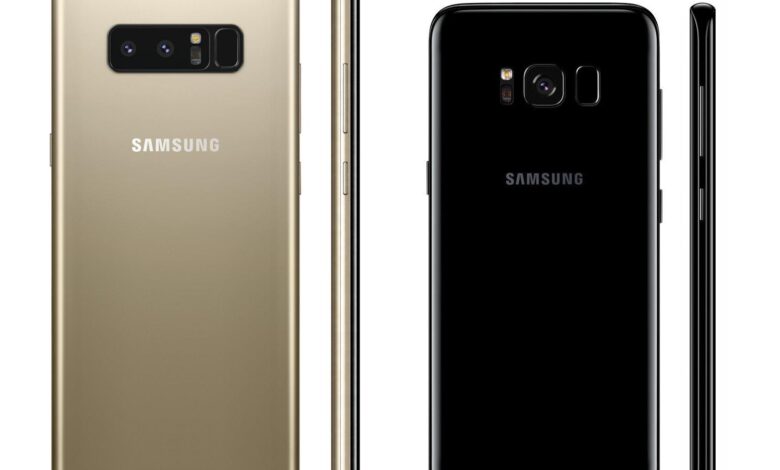
Samsung has issued an unusual software update for the Galaxy S8, Galaxy S8+, and Galaxy Note 8, despite the fact that official support for the three phones ended years ago. The move stands out because it is rare for devices long past their support window to receive any additional maintenance at all.
A rare software touch-up for aging flagships
The new firmware is not designed to add features or change the user interface. Instead, it focuses on performance improvements, with Verizon’s changelog in the United States describing the update as a boost to device performance.
SammyFans reported that the release also improves overall system stability. While Samsung has not shared technical details, the update appears aimed at making the phones run more reliably in daily use.
What the update does and does not change
Owners should not expect any new functions from this package. The change is more likely to be felt through smoother operation and fewer background issues than through any visible update to the software experience.
That limited scope makes sense for devices that are well beyond their main support period. The Galaxy S8 lineup and the Galaxy Note 8 were first introduced in 2017, and their last scheduled update arrived in 2022.
| Device | Key Update Detail |
|---|---|
| Galaxy S8 | Received a performance-focused firmware update |
| Galaxy S8+ | Included in the same unexpected software release |
| Galaxy Note 8 | Also received the update with stability improvements |
Security remains old, even after the new release
The update does not restore modern security support. Even after the new firmware arrives, the three devices are still said to be running a 2021 security patch.
That means the latest release should be viewed as a stability refresh rather than a return to full security maintenance. Users who still rely on these phones need to understand that they remain outside Samsung’s modern security update cycle.
According to Android Authority, the firmware has started appearing for Verizon variants of the Galaxy S8 series and Galaxy Note 8 in the United States. For now, the rollout appears limited, and there is no confirmed wider availability in the available information.
Why the update still matters
For many people, these phones are no longer primary devices. They may still serve as backup handsets or secondary phones, where even a modest performance improvement can be useful.
That is why a maintenance update can still have practical value. A more stable system may help keep older hardware usable for basic tasks without requiring any new features.
Samsung’s move also comes alongside a similar example from another major vendor. Earlier this year, Apple released software updates for the iPhone 5s so services such as FaceTime and iMessage could continue to work properly.
The comparison shows that large manufacturers sometimes continue to support older products in narrow ways when needed. These updates do not revive full support, but they can extend the everyday usefulness of aging devices.
Even so, the Galaxy S8, Galaxy S8+, and Galaxy Note 8 remain legacy smartphones with software that is clearly behind current standards. The unexpected update adds a final layer of polish, but it does not change their long-standing position in Samsung’s support history.