Google Images is changing in a way that could reshape how people browse visual inspiration. Instead of waiting for a search term, the service is beginning to surface images on its home page first.
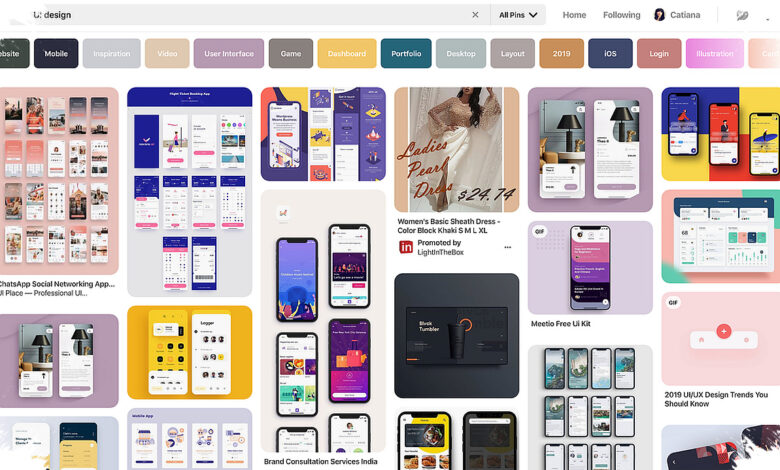
The new approach makes Google Images feel closer to Pinterest, while still remaining inside Google’s search ecosystem. It also introduces a more proactive experience that updates in real time and adapts to what the system detects as user interests.
A Home Page That Starts With Inspiration
The biggest shift is on the main Google Images page, where users will start seeing pictures before typing anything. Google says the rollout will begin in the coming weeks for English-language desktop users in the United States.
That means the redesigned experience will not appear for everyone at once. Instead, the company is introducing it gradually, with the visual feed continuing to change automatically based on activity and inferred interests.
Collections Make the Experience Feel More Like Pinterest
Saving images is now a more visible part of the flow. Users can add pictures to collections to keep ideas for trips, outfits, furniture, and other things they are exploring.
This makes Google Images function less like a simple search page and more like a visual board for organizing inspiration. At the same time, Google is still relying on the huge image index that has long powered its search results.
Nano Banana 2 Steps In When Search Results Fall Short
Google is also adding image generation through Nano Banana 2. If Images cannot find the right visual, users will be able to type a description and have the result created inside AI Overview.
That feature will appear above most search results. Google says it will soon be available in English across all regions that already support image generation in AI Mode.
From Similar Images to Circle to Search
Google also used the anniversary to look back at how far its visual search tools have come. In 2009, Similar Images made it possible to search using another image as the starting point.
That capability was expanded in 2011 with Search by Image, which let people upload their own pictures. In 2018, Google Lens pushed the idea further by allowing users to snap objects with a camera or translate text directly from the lens view.
The next major step was Circle to Search, which can use anything visible on a phone screen as a search trigger. Google says the feature is now available on 580 million Android devices, showing how far visual search has moved beyond the traditional search box.