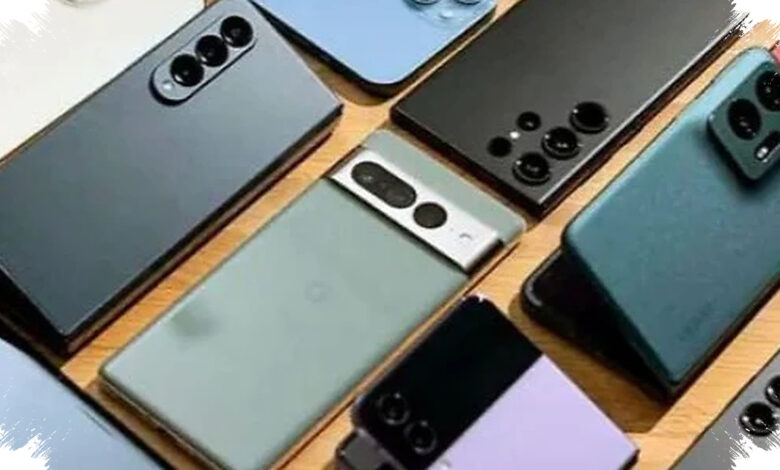
A flagship phone priced at around Rp25 million demands more than a premium logo to make financial sense. Its strongest case rests on whether advanced on-device AI, sustained performance, and long software support can materially improve daily work.
In July 2026, the Samsung Galaxy S26 Ultra and iPhone 17 Pro Max both sit in the Rp25 million range. That price places them firmly beyond casual purchases and invites a closer look at the value each owner can actually extract.
| Model | Price Range | Market Position |
|---|---|---|
| Samsung Galaxy S26 Ultra | Rp25 million range | Premium flagship |
| iPhone 17 Pro Max | Rp25 million range | Premium flagship |
AI Is the Most Practical Distinction
Modern 3nm chipsets, including the Apple A19 Pro and Snapdragon 8 Elite Gen 5, bring more independent AI processing to the device. The capability supports automatic meeting transcription, real-time multilingual translation without an internet connection, and on-phone processing based on large language models.
These features carry clear relevance for creative professionals, executives, and content creators who handle information throughout the day. For users with that workload, a phone can function as a more capable work tool rather than merely a communications device.
On-device processing can also make premium hardware more meaningful when speed and availability matter. The benefit becomes less compelling, however, if those tools are rarely used in regular routines.
Long-Term Support Changes the Calculation
Flagships released in 2026 generally promise operating system and security updates for up to seven years. A device bought this year could therefore remain supported through 2033.
That extended software lifespan may allow owners to avoid replacing their phones every two years. Spread across a longer period of use, the high initial cost can be viewed as a work investment for users who rely on the device intensively.
Component Costs Also Push Prices Higher
The rise in flagship pricing is not driven solely by brand positioning. Volatile prices for key components, particularly RAM and internal storage, have contributed to higher global and domestic selling prices.
The pressure from components makes premium phones harder to position as spontaneous purchases. At a price comparable to a scooter, consumers have strong reason to assess function before choosing the most expensive model.
The equation changes sharply for people whose usage is limited to browsing social media, watching short videos, and basic communication. In that case, the performance reserves, AI functions, and long-term software commitment may not provide value proportional to the money spent.
Phones in the Rp6 million to Rp14 million range, including mid-range models and flagship killers, remain available for less demanding daily needs. They can cover ordinary use without requiring buyers to pay for capabilities that may remain unused.
The Samsung Galaxy S26 Ultra and iPhone 17 Pro Max are therefore most defensible when their premium features support higher productivity or income. Without that practical role, a Rp25 million flagship can become more about status than function.