A smartwatch can offer health tracking, workout tools and phone alerts, yet those features may go unused when the device does not match its owner’s routine. The most important buying decision is therefore not the design or current trend, but the function that will be used consistently.
Battery life, phone compatibility and comfort can shape the everyday value of a smartwatch as much as its feature list. Checking these areas before purchase can reduce the chance that the device ends up stored away after only a short period.
What Different Users May Need
The right priorities vary between people who train regularly, those focused on health monitoring, and those who mainly want notifications for work. The following comparison highlights the features linked to each use case.
| Primary Use | Features to Look For | Important Consideration |
|---|---|---|
| Exercise | Accurate GPS, long battery life, workout modes | Better suited to intensive activity |
| Health | Heart rate monitor, SpO2, sleep tracking, stress monitoring | Helps monitor body condition |
| Work and notifications | Smooth notification integration | More relevant for daily use |
1. Start With the Main Purpose
Buyers should first decide what they expect the smartwatch to do. Some may need it for exercise, while others may place greater value on heart and sleep monitoring or on call and message alerts.
This distinction matters because the required features are not identical. An athlete may prioritize accurate GPS and a long-lasting battery, while an office worker may benefit more from seamless smartphone notifications.
2. Confirm Phone Compatibility
A smartwatch that appears impressive on paper may not work fully with the phone already in use. Android users have a broader range of choices, while iPhone owners should carefully confirm full iOS support.
An operating-system mismatch can prevent some functions from working at their best. Compatibility should be checked before purchasing rather than after a device has been selected.
3. Review Health Sensors and Workout Support
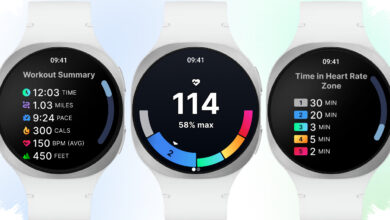
Health functions are a major reason many people choose a smartwatch. Heart rate monitoring, SpO2, stress monitoring and sleep tracking are among the sensors worth reviewing.
People who exercise regularly should also consider the available workout modes. Water resistance of at least 5 ATM is another relevant feature for maintaining comfort during activities.
4. Consider Comfort and Battery Expectations
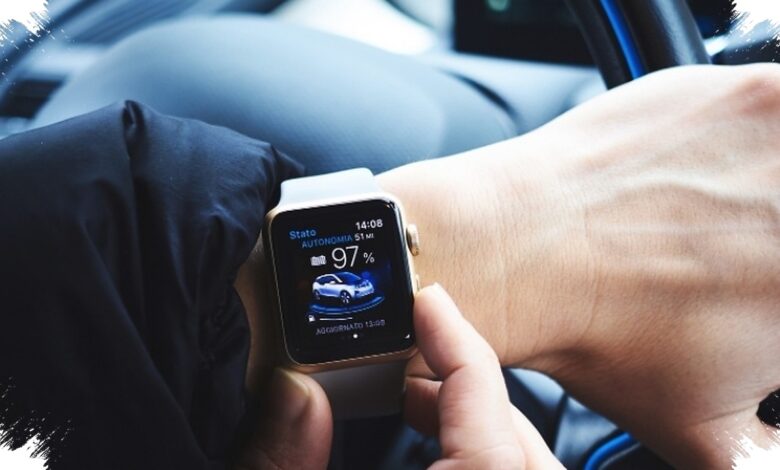
A smartwatch is often worn for most of the day, making weight, strap fit and skin-friendly materials important. A poorly fitting device can reduce the willingness to wear it regularly.
Battery performance differs considerably between models. Some can last around 7 to 14 days, while others need charging after roughly 1 to 2 days.
5. Assess Price Against Added Value
Setting a budget can narrow the options and keep the focus on useful functions. Lower-priced smartwatches generally offer more limited features.
More expensive models tend to provide a broader ecosystem and longer software-update support. Warranty coverage, after-sales service in Indonesia and user reviews should also be weighed before making a decision.
According to Suara.com, long-term usefulness deserves more attention than a temporary trend. This approach helps buyers judge whether the available features match their actual habits.
A suitable smartwatch can serve as more than a style accessory. When selected carefully, it can support everyday health monitoring and productivity without creating unnecessary charging or compatibility concerns.