


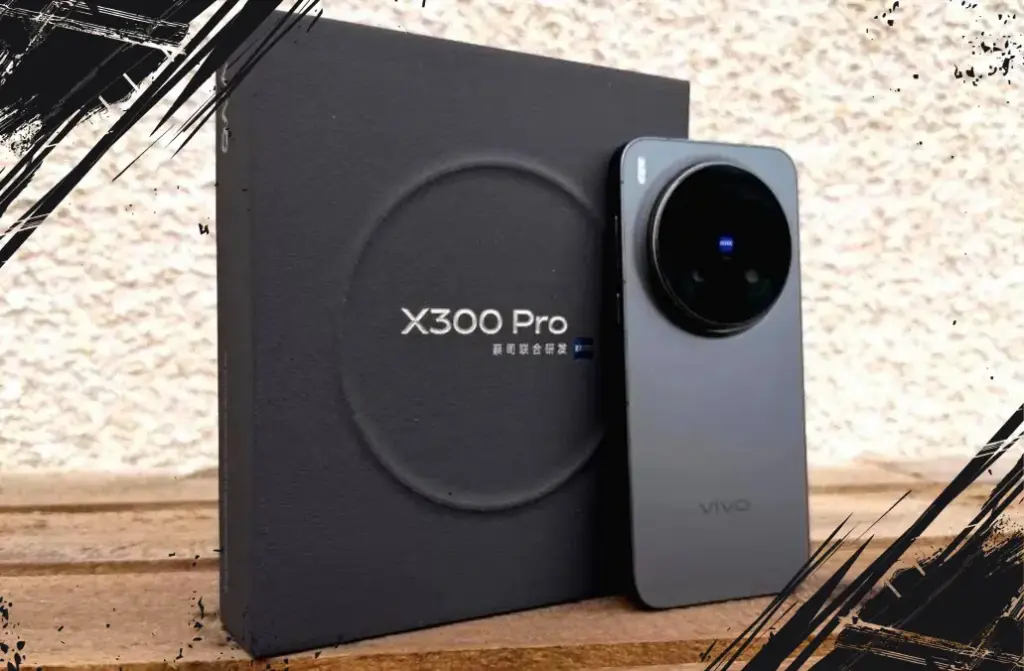
Vivo is set to make a major impact in the flagship smartphone market in 2026 with the launch of the Vivo X300. This new device is positioned not just as an annual upgrade, but as a pioneering step in Vivo’s innovation journey, particularly focusing on camera technology and overall performance. Industry leaks reveal that the Vivo X300 will debut two significant technologies that aim to challenge existing market leaders.
The first highlight is the incorporation of the MediaTek Dimensity 9500 chipset. This latest processor generation is designed to compete head-to-head with Qualcomm’s Snapdragon in the premium segment. While synthetic benchmarks like Geekbench show Qualcomm holding a slight edge, MediaTek emphasizes superior real-world efficiency, enhanced AI generative capabilities, and graphics performance approaching modern gaming consoles. This chipset is expected to deliver high performance with better battery optimization.
Beyond raw power, the Vivo X300’s standout feature lies in its camera system. According to well-regarded technology analyst Digital Chat Station, Vivo’s flagship will be the first smartphone globally to use the Sony LYT-828 sensor with a 50 MP resolution. Measuring 1/1.28 inches, this sensor includes Hybrid Frame HDR technology, which greatly extends dynamic range. As a result, photos maintain excellent detail and balance in both bright and dark areas, even under extreme lighting such as backlight or low-light nighttime conditions.
The camera setup does not stop there; Vivo also equips the X300 with a 200 MP periscope zoom camera based on the HP8 sensor combined with the LYT-602 lens system. This combination promises exceptional optical zoom quality without compromising detail sharpness. This feature is projected to revolutionize telephoto photography among premium smartphones and will attract photography enthusiasts who demand professional-grade long-distance shots.
Vivo’s strategic partnership with Zeiss continues to elevate the X300’s imaging capabilities. The primary 200 MP camera carries the Zeiss branding, while the higher-end Vivo X300 Pro model is outfitted with a Zeiss APO 85mm 200 MP super telephoto lens. This optical precision lens is engineered to minimize color distortion and improve detail accuracy, making it ideal for portraiture and capturing distant subjects with professional-level clarity.
The Vivo X300 Pro also targets video content creators by supporting advanced recording features. It is reportedly the first smartphone to allow 4K portrait video recording at 60 frames per second and dual-focus 4K video at 120 fps. Complementary supports such as Dolby Vision HDR and 10-bit Log recording showcase Vivo’s commitment to providing cinematic-quality video production straight from the mobile device.
On the design front, Vivo maintains a premium yet understated aesthetic without radical changes to the visual style. The main improvements come from the internal hardware enhancements. The device features the Blueprint V3+ image processing chip, ultra-fast UFS 4.1 storage, and a next-generation ultrasonic fingerprint sensor that offers faster and more accurate biometric security. Running on the OriginOS 6 platform, Vivo promises a seamless cross-device ecosystem, hinting at compatibility features inspired by Apple’s iOS environment.
For display technology, the Vivo X300 uses a BOE Q10 Plus panel capable of achieving a minimum brightness as low as 1 nit. This adaptive brightness ensures eye comfort in dark settings without compromising visibility under direct sunlight. This balance improves usability across diverse lighting conditions, addressing user needs for both day and night use.
Summarizing its features, the Vivo X300 emerges as a highly competitive flagship contender focused on camera excellence, performance efficiency, and video capabilities. Industry watchers anticipate it challenging the dominance of leading brands like Xiaomi and Samsung in the premium smartphone segment, potentially securing the title of “Smartphone Camera King 2026.” Consumers and tech enthusiasts alike await official release details and real-world testing to confirm Vivo’s bold claims.