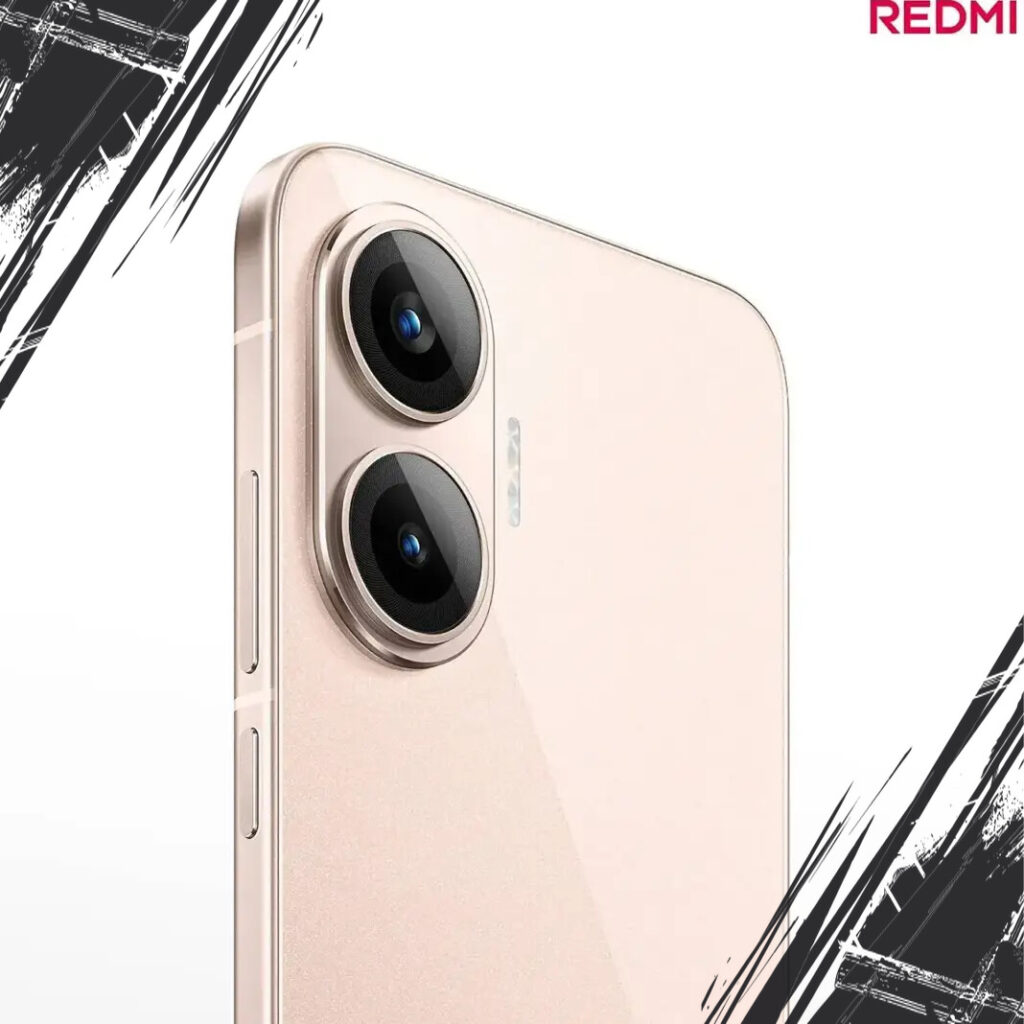
Redmi Turbo 5 Pro has recently cleared an important milestone by securing 3C certification in China. This approval confirms that the phone supports ultra-fast 100W charging technology.
The model with the code 2602BRT18C joins the standard Redmi Turbo 5 variant, which also appeared in 3C listings earlier, featuring the same high-speed charging capability. 3C certification primarily targets electrical safety and compatibility, signaling that the device is nearing its final production phase.
Xiaomi is reportedly aiming for the Redmi Turbo 5 series launch before the Lunar New Year celebrations in mid-February. This places the official unveiling within just a few weeks, much to the anticipation of fans and consumers.
Key Specifications of Redmi Turbo 5 and Turbo 5 Pro
Leaked information suggests that both Redmi Turbo 5 and Turbo 5 Pro will showcase premium specifications. Their displays are expected to be flat LTPS panels with 1.5K resolution, featuring large rounded corners to offer immersive visuals.
In terms of security, Xiaomi plans to integrate an under-display ultrasonic fingerprint sensor. This sensor is faster and more accurate than typical optical counterparts, enhancing user experience and biometric reliability.
The devices are also predicted to boast IP68/IP69 water and dust resistance, making them durable for daily use. Their frames will reportedly be crafted from metal, ensuring a solid yet refined build quality. Additionally, stereo symmetrical speakers and Xiaomi’s HyperOS 3 based on Android 16 will contribute to a polished multimedia and software environment.
One remarkable highlight is the massive battery capacity, estimated to be around 9,000mAh. This combination of large battery size with 100W fast charging will deliver extended battery life without sacrificing quick replenishment times.
Chipset Differentiation between Standard and Pro
Although the two models share many features, their chipsets will set them apart. The standard Redmi Turbo 5 is believed to be powered by the MediaTek Dimensity 8500, a mid-to-high range SoC designed for efficient performance and smooth multitasking.
In contrast, the Turbo 5 Pro is expected to incorporate a higher-tier MediaTek Dimensity 9000 series processor. This flagship-level chipset will cater to power users seeking superior performance, especially in gaming and intensive applications.
This strategic chipset differentiation is not uncommon in smartphone lineups, allowing Xiaomi to target different consumer segments effectively. It aligns well with the brand’s intent to place the Redmi Turbo series between the Redmi Note lineup and true flagships.
Market Position and Consumer Appeal
The Redmi Turbo series aims to carve a niche as a “performance monster” with an emphasis on battery endurance. This approach meets current market demands, where many users seek devices that can handle heavy usage throughout the day without frequent charging.
The addition of 100W charging technology significantly addresses concerns around recharging downtime. Consumers will appreciate the combination of fast top-up times paired with a large power reservoir, making these devices practical for both daily and power-intensive tasks.
What the 3C Certification Implies
Obtaining 3C certification is a vital step toward launching any smartphone in China. It confirms compliance with mandatory electrical standards, ensuring user safety and device reliability.
Though the certification itself does not disclose full specifications, it confirms key features such as 100W fast charging. This official nod adds credibility and confidence to earlier leaks and rumors circulating about the Redmi Turbo 5 Pro.
Looking Ahead
While the price, color options, and exact launch date remain unconfirmed, the recent certification signals that Xiaomi is ready to finalize preparations. The Redmi Turbo 5 series is poised to compete strongly in the high-performance mid-range market segment.
Potential buyers can look forward to a balanced device that offers robust performance, premium design, and substantial battery life with rapid charging speeds. Further announcements from Xiaomi will provide clarity on availability and full feature sets in the coming weeks.