Hyundai has been spotted testing the third-generation Kona on public roads in South Korea. This new model is not just a facelift but represents a completely new generation set to debut in 2027.
The vehicle seen undergoing tests was heavily camouflaged, yet an internal code “SX3” confirmed it as the next-generation Kona. This surprises the industry since the current second-generation model was only launched in 2023.
Unique Development Approach
Typically, automotive manufacturers update their models with a mid-cycle facelift about 3 to 4 years after launch. Hyundai, however, has taken an unusual route by jumping directly to a full new generation with an accelerated development timeline.
The SX3 code is a reliable indicator within Hyundai and the auto industry, marking it as a new platform and not just a refreshed design. This move signals Hyundai’s urgency to keep the Kona competitive in the evolving electric SUV market.
Design Influences and Exterior Features
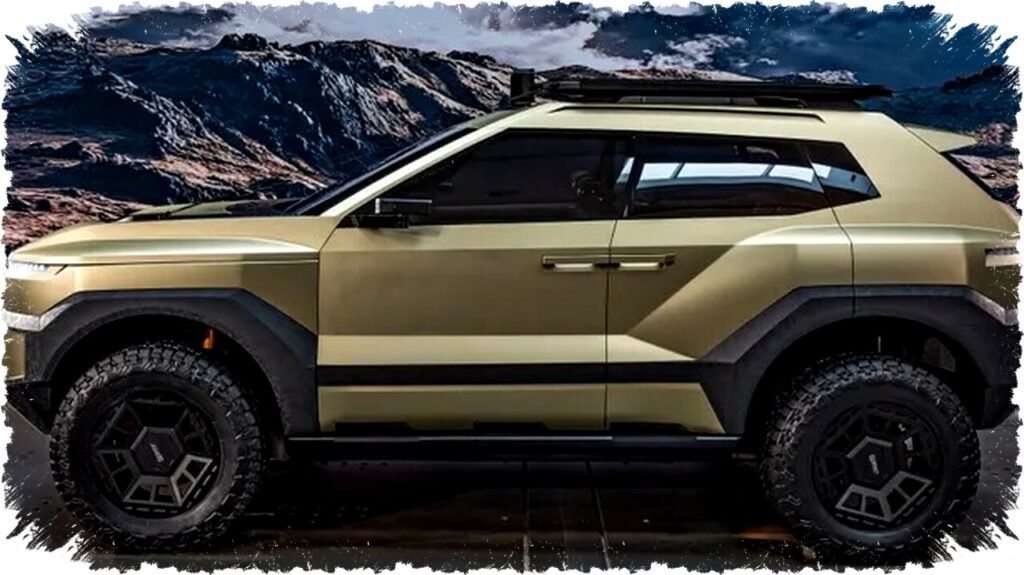
Photos of the test vehicle suggest a strong design shift inspired by Hyundai’s Crater Concept SUV, an electric vehicle concept first revealed at the LA Auto Show. If this directional design is retained, the Kona third generation will feature:
- A taller and more robust body stance
- Pixel-style LED headlights
- A horizontal LED light bar stretching across the front fascia
These elements reflect Hyundai’s modern design language and emphasize its identity in the electric vehicle (EV) segment.
Advanced Interior and Infotainment System
Inside, the new Kona is expected to offer a significant upgrade in technology and user experience. The upcoming model will reportedly include Hyundai’s latest PLEO infotainment system, featuring a large digital screen with a smartphone-style interface.
This upgrade will focus on enhancing connectivity and user interaction, aligning with customer demand for smarter, tech-forward in-car environments.
Performance and Range Expectations
While Hyundai has not yet released official specifications, the current Kona EV offers a range of approximately 418 kilometers (260 miles). The third generation is anticipated to improve on this figure by incorporating more efficient battery packs and electric motors.
Dimensionally, the current model measures around 4,340 mm (171 inches) in length. The new version is expected to grow slightly in size, which will increase cabin space and cargo capacity—important factors in the competitive compact SUV segment.
Competitive Strategy in the EV Market
Hyundai’s early development cycle and notable design changes indicate a strategic effort to stay ahead in the crowded electric SUV marketplace. The new Kona will directly challenge rivals such as Kia’s EV lineup and Tesla’s Model Y, both known for their advanced technology and market appeal.
By accelerating the Kona’s renewal, Hyundai aims to strengthen its foothold and appeal to buyers seeking cutting-edge technology combined with futuristic styling.
Expected Launch Timeline
The company has not officially announced the Kona’s release date. Still, spotting a camouflaged prototype on public roads generally hints at a launch within the next 12 to 18 months.
Industry experts estimate the third-generation Kona will debut in early 2027. This timeline fits Hyundai’s strategy to rapidly bring innovative products to market to capture growing interest in EVs.
Final Notes on Hyundai’s Progress
This new Kona generation reflects Hyundai’s evolving approach to vehicle development and market competition. By unveiling a future-ready electric SUV sooner than the usual model cycle, Hyundai demonstrates its commitment to leading in the EV sector with bold design, improved technology, and increased range.
As this model takes shape, it will be essential to watch how Hyundai balances innovation, performance, and customer demands in the fast-paced electric vehicle arena. The coming debut will likely set new standards for compact electric SUVs globally.