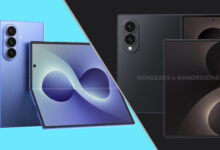
Entering February 2026, the global smartphone market welcomes eight new models from major manufacturers, including Samsung, Apple, Xiaomi, Oppo, Vivo, Realme, and iQOO. These devices span flagship offerings to mid-range and affordable variants, featuring advanced AI capabilities, enhanced cameras, and optimized performance.
This early-year launch trend reflects the industry’s strategic approach to capture consumer attention ahead of mid-year sales cycles. The releases highlight strong competition and innovation across price segments targeting diverse user needs worldwide, including significant markets like Indonesia.
1. Samsung Galaxy S26 Series
Samsung kicks off the month with the Galaxy S26 Series, the successor to the Galaxy S25. This flagship line emphasizes high performance and improved AI-powered imaging, particularly excelling in low-light photography and 4K video recording. The series is powered by the latest chipset built on an energy-efficient fabrication process, enhancing both speed and battery life.
2. iQOO 15 Series
iQOO, a sub-brand of Vivo, plans to launch the iQOO 15 Ultra on February 4 in China. It features a 2K AMOLED display and a large 7,400mAh battery that supports 100W wireless charging. The phone is powered by Qualcomm’s Snapdragon 8 Elite Gen 5 chipset and incorporates a triple rear camera setup with 50MP sensors. On February 24, the iQOO 15R is expected to debut in India, positioned as a premium mid-range device with a Snapdragon 8 Gen 5 and 7,600mAh battery with 100W fast charging.
3. Samsung Galaxy S26 Ultra
The Galaxy S26 Ultra stands as Samsung’s top-tier model targeting tech enthusiasts and professionals. It upgrades camera sensors with higher resolution and offers compatibility with the latest stylus generation. Its AMOLED screen features increased brightness for better outdoor visibility. The device also comes with enhanced on-device AI capabilities to support productivity and advanced content creation.
4. Apple iPhone 17e
Apple introduces the iPhone 17e, a more affordable variant compared to the standard iPhone 17 series. This model resembles the iPhone SE strategy, combining modern design with cost-effective components. While it carries the latest A-series chip, some adjustments are made in materials and camera specifications, allowing Apple to appeal to price-conscious customers in emerging markets.
5. Xiaomi 15 Lite
Xiaomi targets mid-range buyers through the 15 Lite model, focusing on a slim design and competent camera performance suitable for everyday use. It features an AMOLED display with fast charging capabilities and is optimized for battery efficiency. Xiaomi continues its approach of bringing premium features to a broader segment, enhancing overall user experience without significant price inflation.
6. Oppo Find X7 Lite
Oppo’s refreshed Find X7 Lite aims to offer a premium look without flagship pricing. The device upgrades its camera subsystem with computational enhancements and deepens its integration within Oppo’s ecosystem, including wearables and wireless audio devices, helping users enjoy a seamless connected experience.
7. Vivo X110
The Vivo X110 emphasizes mobile photography and videography. Vivo maintains its collaboration with leading optics manufacturers to improve sensor quality. This model increases focus on color accuracy and video stabilization, meeting the growing demands of mobile content creators who require professional-grade imaging on their devices.
8. Realme GT Neo 6
Realme’s GT Neo 6 targets young users and performance enthusiasts, with high refresh rate screens, rapid charging, and enhanced cooling systems. This model supports the rising mobile gaming trend, especially in Asian markets, by delivering smooth and extended gaming sessions at an affordable price point.
Industry Launch Patterns and Strategies
The collective February 2026 smartphone releases reinforce the significance of the year’s first quarter for product exposure. Vendors strategically unveil flagship and mid-tier models simultaneously to cater to different user categories. This mix of top-tier premium phones and affordable variants illustrates the increasing competitiveness and maturity of the smartphone market.
Implications for the Indonesian Market
For Indonesia, these launches expand consumer options across price ranges and feature sets. While not all models may arrive immediately, historical patterns suggest flagship and mid-range devices will reach local shelves shortly after release. The heightened availability of diverse smartphones will influence operators, distributors, and local app ecosystems, adjusting their strategies accordingly.
Continuous high smartphone adoption and the demand for devices that blend productivity and entertainment will foster intensified competition. Manufacturers are expected to leverage this environment by innovating in features and pricing to attract discerning buyers throughout 2026.
Overall, the February 2026 smartphone wave offers a comprehensive selection for users globally and regionally. With advancements in AI, battery technology, display quality, and camera systems, these new devices are poised to set benchmarks for performance and value in the coming months.