After four months of using the iPhone 17 Pro, many users report a significant change in how they interact with their smartphones. The device seems to have reshaped daily habits, especially regarding screen time and app engagement.
Recent technical evaluations and user feedback gathered up to January 2026 highlight nearly a twofold increase in daily screen time compared to previous iPhone models. This surge is primarily due to enhanced battery efficiency, which allows for longer usage without frequent recharging.
Battery Life and Usage Patterns
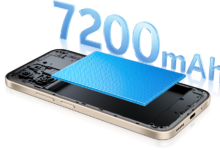
The iPhone 17 Pro features a larger battery capacity and improved power management thanks to its aluminum unibody design and a vapor chamber cooling system. Users typically charge the device just once every two to three days. This extended battery life encourages more extensive use in non-work-related activities, such as gaming and photography.
According to reports, the improved battery performance means users feel less constrained by power concerns. This shift promotes longer sessions of entertainment and multimedia consumption throughout the day.
Performance and Cooling Innovations
Apple equipped the iPhone 17 Pro with an Apple A19 Pro chipset paired with a vapor chamber cooling system. This technology distributes heat more evenly inside the device, maintaining consistent performance during demanding tasks like 4K streaming or high-end gaming. This stability plays a key role in how users engage with their phones more intensively and for longer periods.
The advanced cooling also helps prevent overheating, which often limits device usage in older models during intensive activities.
Camera Enhancements and User Experience
The iPhone 17 Pro is outfitted with a triple 48 MP rear camera setup and offers an optical zoom capability of up to 8×. Users noted enhanced enthusiasm for photography, frequently taking pictures in various lighting conditions including night scenes and events.
Faster app launch speeds and the fluidity of multimedia consumption are cited as influential factors in changing user behavior. Yet there remain concerns about the optical zoom’s performance in low light, which some find still lacking.
Additionally, Apple’s removal of Night mode in Portrait mode sparked some debate. Although Night mode remains in standard photo modes, its absence in certain portrait settings affects low-light photography options.
Interface and Software Adaptation
The device runs on iOS 26 featuring the new Liquid Glass interface. While users appreciate the fresh design and responsiveness, adaptation challenges are mentioned. Adjusting to the updated interface contributes to a different smartphone interaction rhythm compared to earlier iPhone models.
No formal medical or behavioral guidance was provided in the usage reports, but the increased screen time naturally influences daily digital habits.
Broader Implications for the Industry
These findings offer valuable insights for both consumers and the telecommunications industry regarding premium smartphone usage. The combination of high performance, extended battery life, and advanced multimedia features sets new standards for user expectations.
Experts predict this will encourage content creators and app developers to optimize experiences for devices that support prolonged active use and strong battery endurance.
Summary of Key Changes Observed After Four Months
- Screen time nearly doubles compared to previous iPhone generations.
- Battery recharging frequency drops to once every two or three days.
- Enhanced cooling system maintains consistent high performance.
- Increased engagement in gaming and multimedia apps.
- Enthusiastic use of advanced camera features, despite optical zoom limitations.
- Mixed user responses to the new Liquid Glass interface in iOS 26.
Understanding these behavioral shifts helps frame the evolving relationship between users and their smartphones. The iPhone 17 Pro demonstrates how innovation in hardware and software can transform everyday mobile usage.