Xiaomi is gearing up to launch the Redmi K90 Ultra, a flagship device that promises to push the boundaries of performance and battery life in 2026. Aside from featuring an impressive 8,500 mAh battery, this new smartphone will incorporate an innovative active cooling system, marking a significant upgrade for Xiaomi’s lineup.
The Redmi K90 Ultra is expected to be powered by the MediaTek Dimensity 9500 chipset. This processor belongs to the latest generation of the Dimensity 9 series, designed to deliver high performance in demanding tasks such as gaming and multitasking. It also offers efficient power consumption, which is an important factor given the device’s large battery capacity.
A standout feature of the Redmi K90 Ultra will be its active cooling mechanism. Unlike conventional passive cooling methods, the device will include an internal cooling fan integrated within the smartphone body. This system aims to keep the device’s temperature stable during extended intensive use while preventing thermal throttling, which can degrade performance.
The active cooling technology indicates Xiaomi’s commitment to maintaining consistent peak performance, especially in scenarios where smartphones typically overheat. This approach is relatively rare in smartphones, positioning the Redmi K90 Ultra as a pioneer in addressing heat management with internal mechanical assistance.
Battery capacity on the Redmi K90 Ultra is reported to be 8,500 mAh, a figure significantly higher than most current flagship models. This sizeable battery translates to longer uptime, minimizing the need for frequent charging during heavy usage. Xiaomi is testing the possibility of increasing this capacity even further before the official release.
Charging technology complements the battery size with a 100-watt fast charging feature via cable. This enables rapid replenishment of the large battery, ensuring users can quickly get back to using their phones without long wait times. Fast charging has become a crucial element for large-battery smartphones to remain practical.
The device is also rumored to sport a 6.8-inch flat screen displaying a 1.5K resolution. The display will support a high refresh rate of up to 165 Hz, delivering smooth visuals especially beneficial for gamers and users who scroll through content rapidly. Such refresh rates have become standard in premium smartphones as they enhance the overall user experience.
Additional design and functional features reportedly include a metal frame for durability and luxury appeal. It will also come with an ultrasonic in-display fingerprint sensor, enabling fast and secure unlocking. The phone is expected to offer water resistance, though the exact IP certification details have yet to be confirmed.
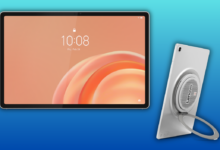
Redmi’s plan to introduce this model amid the launch of a high-performance tablet, the Redmi K Pad 2, signals their strategy to strengthen their premium product portfolio throughout the first half of 2026. It highlights Redmi’s effort to diversify and innovate in various device categories.
The information about the Redmi K90 Ultra currently derives from reliable leaks and industry insiders, like Digital Chat Station. However, Xiaomi and Redmi have not officially disclosed complete specifications, price points, or global release plans yet. Confirmations are anticipated closer to the potential launch window in May to June 2026.
| Key Features of Redmi K90 Ultra (Leaks Summary): | Feature | Specification / Detail |
|---|---|---|
| Processor | MediaTek Dimensity 9500 | |
| Battery Capacity | 8,500 mAh (Potential for more) | |
| Charging | 100 W fast charging (wired) | |
| Display | 6.8-inch flat panel, 1.5K resolution | |
| Refresh Rate | Up to 165 Hz | |
| Cooling System | Active cooling with internal fan | |
| Build Material | Metal frame | |
| Fingerprint Sensor | Ultrasonic under-display | |
| Water Resistance | Expected (IP certification pending) |
The Redmi K90 Ultra’s combination of an exceptionally large battery, high-performance chipset, and pioneering cooling system positions it as a compelling choice for users seeking both endurance and sustained peak performance. The active cooling innovation could inspire other manufacturers to explore similar thermal solutions.
This device represents a potential shift in how flagship smartphones manage intense workloads and battery longevity simultaneously. Xiaomi’s efforts here underline a focus on real-world usage stability beyond raw speed and processing power.
As anticipation builds, the smartphone market is watching closely to see if Redmi’s next flagship can deliver on these promises. If successful, it may set a new reference point for future flagship smartphones aiming to balance power, thermal efficiency, and battery capacity without compromise.