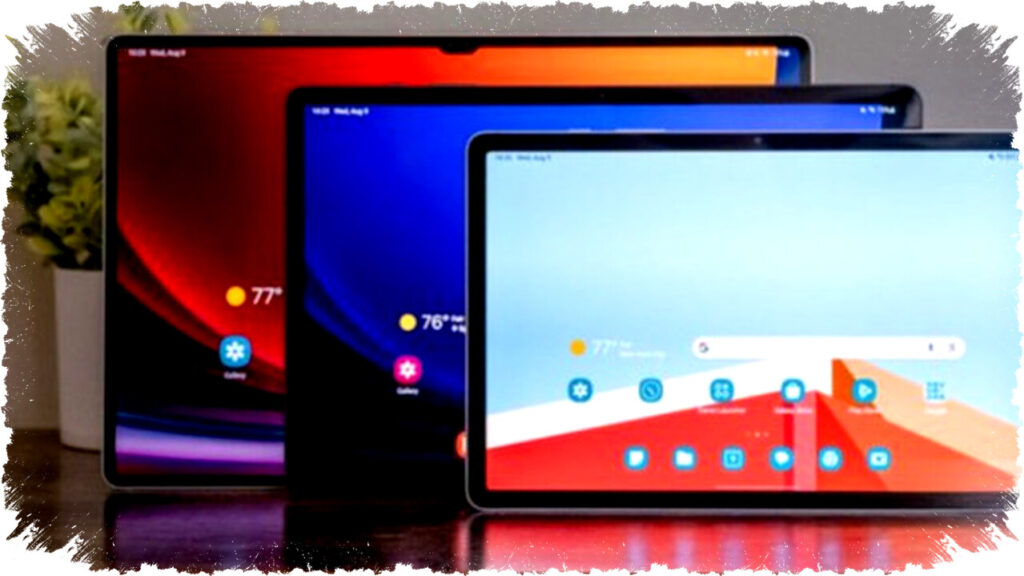
Samsung continues to dominate the mid-range tablet market in 2026 with two impressive models: the Galaxy Tab S9 FE Plus and the Galaxy Tab S10 Lite. These tablets cater to different needs, blending large displays, S Pen support, and seamless Galaxy ecosystem integration. For consumers deciding between these two, understanding their strengths is key to making the best choice.
The Galaxy Tab S9 FE Plus stands out with its larger screen, perfect for users who prioritize multitasking and immersive entertainment. In contrast, the Galaxy Tab S10 Lite offers a more compact and portable design, making it ideal for those frequently on the move. This distinction in size caters to varying lifestyles without compromising functionality.
Display and Design
The Tab S9 FE Plus carries a bigger display which enhances productivity by allowing multiple apps to be viewed simultaneously with ease. This larger screen boosts video streaming and gaming experiences. Meanwhile, the Tab S10 Lite’s smaller frame affords greater convenience for carrying and usage during travel.
Both tablets maintain Samsung’s sleek and modern aesthetic, featuring minimal bezels and a durable build. This makes them comfortable to hold during long work or leisure sessions.
Performance and User Experience
Under the hood, both tablets run Samsung’s One UI for Pad, optimized for larger screens and multitasking. Features such as split-screen mode and pop-up view work smoothly on both devices. The performance remains stable across everyday tasks like browsing, streaming, and light gaming.
They target productivity and entertainment with similar processor capabilities, though exact chipsets differ slightly. Regardless, both deliver consistent performance suitable for office apps and creative workflows.
S Pen and Galaxy Ecosystem Integration
A significant advantage for both models is their support for the S Pen, a favorite tool for note-taking, sketching, and digital artwork. This feature greatly enhances productivity for students, professionals, and creatives alike. Samsung’s ecosystem synergy allows users to easily synchronize their tablets with Galaxy smartphones, providing seamless data sharing and continuity.
Such integration elevates user experience and productivity, especially for those already invested in Samsung devices.
Battery Life and Portability
Battery capacity differs between the two, with the Galaxy Tab S9 FE Plus featuring a larger battery for extended use during intensive tasks or prolonged media consumption. This supports users who need longer sessions without frequent recharging.
On the other hand, the Galaxy Tab S10 Lite emphasizes power efficiency, offering sufficient battery life tailored for daily activities without the bulk of a bigger battery. This approach favors mobility and convenience.
Key Specifications Comparison
| Feature | Galaxy Tab S9 FE Plus | Galaxy Tab S10 Lite |
|---|---|---|
| Display Size | Larger, optimized for multitasking | Compact, practical for mobility |
| Design | Sleek, modern, minimal bezels | Slim, lightweight, portable |
| Operating System | One UI for Pad | One UI for Pad |
| S Pen Support | Yes | Yes |
| Processor | Stable mid-range chipset | Reliable mid-range chipset |
| Battery Capacity | Larger, for extended use | Efficient, for everyday use |
| Ecosystem | Full Galaxy device integration | Full Galaxy device integration |
Samsung wisely targets both productivity enthusiasts and digital families with these options. The Tab S9 FE Plus appeals to users valuing workspace flexibility and longer operation. The Tab S10 Lite suits those needing an agile device for casual use and on-the-go productivity.
Overall, Samsung’s Galaxy Tab S9 FE Plus and Tab S10 Lite embody 2026’s demand for versatile, integrated tablets. Your choice depends largely on whether you prioritize screen real estate and battery endurance or prefer a compact, efficient device. Either way, Samsung’s commitment to quality and ecosystem coherence provides substantial value in the mid-range tablet segment this year.