


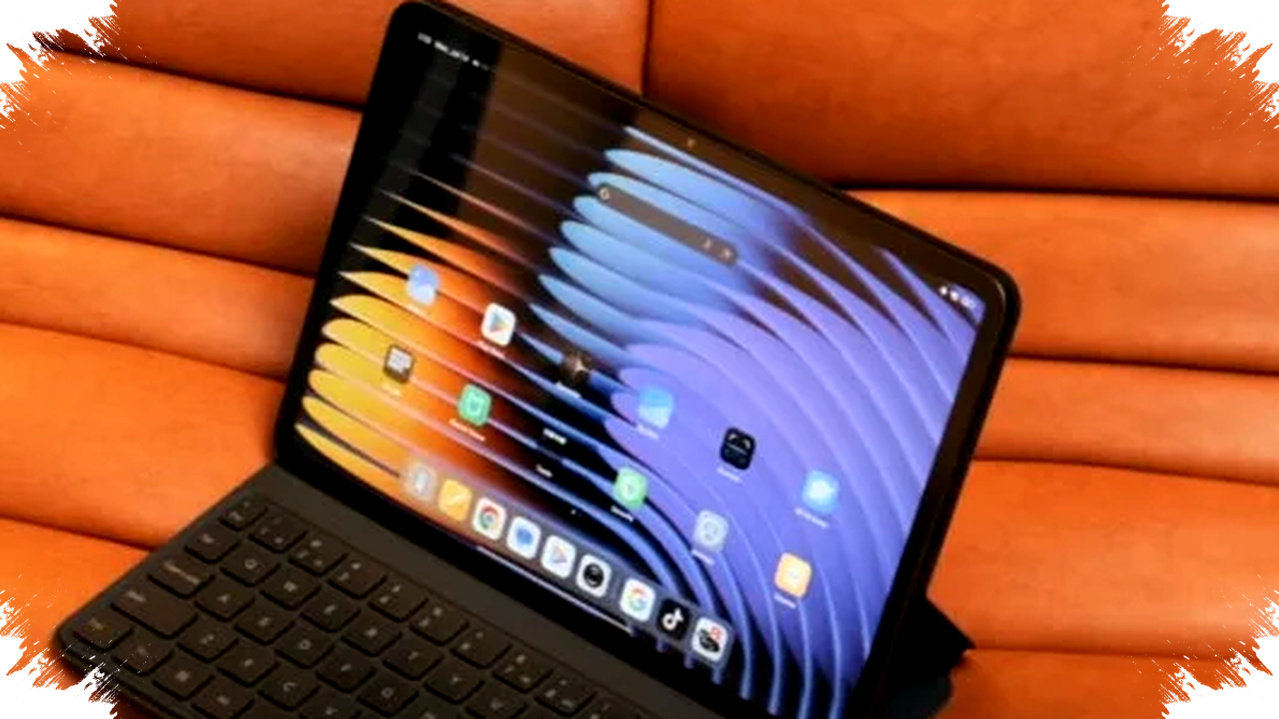
In 2026, tablets have evolved significantly, making them viable alternatives to traditional laptops for work and study. Users now seek lightweight, versatile devices that combine portability with strong performance. The latest models come equipped with powerful processors, large displays, and accessories like keyboards and stylus pens to support diverse productivity tasks.
Modern tablets are no longer just for entertainment; they support multitasking, advanced productivity apps, and AI features that enhance daily workflows. They are especially popular among students, office workers, and content creators who prioritize mobility without compromising on power.
1. iPad Air M2
The iPad Air featuring Apple’s M2 chip stands out in the premium tablet segment for 2026. It delivers exceptional performance for demanding applications, including video editing and graphic design. Compatibility with the Apple Pencil and Magic Keyboard upgrades the user experience, making it akin to using a laptop. Furthermore, iPadOS enhances multitasking with a user-friendly interface designed for productivity.
2. Samsung Galaxy Tab S9 FE+
Samsung’s Galaxy Tab S9 FE+ targets users who require a productivity-focused tablet with a large display and responsive S Pen support for note-taking and drawing. Its stable chipset performance combined with a long-lasting battery ensures it can handle extended work sessions. Samsung DeX provides a desktop-like experience by transforming the tablet’s interface into a more traditional workspace.
3. Xiaomi Pad 7 Pro
The Xiaomi Pad 7 Pro presents a competitive price point without sacrificing features important for work and study. It boasts a high-resolution, large screen suited for document handling, presentations, and light editing tasks. Added support for external keyboards and a stylus makes this tablet a flexible tool, catering to both typing and creative input needs.
4. Huawei MatePad 11.5
With a slim design and comfortable screen size, the Huawei MatePad 11.5 supports productivity accessories such as a stylus and magnetic keyboard. Its HarmonyOS platform enables seamless multitasking, allowing users to run multiple applications efficiently. The integration of these features makes this model practical for professional or educational use.
5. Lenovo Tab P12
The Lenovo Tab P12 is designed for users who prioritize large screen real estate and stable performance in their productivity tools. It handles a variety of work-related applications, including document editing, creating presentations, and video conferencing. Its elegant design complements professional settings, making it suitable for office environments.
Summary Table of Key Features
| Tablet Model | Processor/OS | Display size | Key Accessories | Notable Features | Estimated Price (USD) |
|---|---|---|---|---|---|
| iPad Air M2 | Apple M2/iPadOS | ~10.9 inches | Apple Pencil, Magic Keyboard | High performance, multitasking, premium build | $599+ |
| Samsung Galaxy Tab S9 FE+ | Snapdragon/One UI | Large (~12.4 inches) | S Pen, Samsung DeX | Desktop mode via DeX, long battery life | $650+ |
| Xiaomi Pad 7 Pro | Snapdragon/MIUI | Large (~12.4 inches) | Stylus, Keyboard | Affordable, high resolution, productivity oriented | $500+ |
| Huawei MatePad 11.5 | HarmonyOS | ~11.5 inches | Stylus, Magnetic Keyboard | Multitasking OS, slim design | $480+ |
| Lenovo Tab P12 | Snapdragon/Android | ~12.6 inches | Keyboard | Large display, professional design | $530+ |
Tablets now bridge the gap between portability and productivity better than ever. Their performance is often comparable to entry-level laptops, with the added convenience of lighter weight and touch-based inputs. The availability of supporting accessories such as keyboards and stylus pens helps replicate or sometimes surpass traditional laptop experiences.
Choosing the right tablet depends on the specific use case, budget, and ecosystem preferences. For example, iPad Air M2 suits users deeply integrated into Apple’s environment, while Samsung and Huawei offer versatile multitasking features for Android and HarmonyOS fans respectively. Xiaomi and Lenovo balance price and performance, providing practical options for budget-conscious users.
As 2026 ushers in advanced tablet capabilities, these devices increasingly serve as powerful tools for education and work. Their evolving hardware and software make them strong contenders as laptop replacements, especially for users who value mobility and flexibility in their digital workflow.