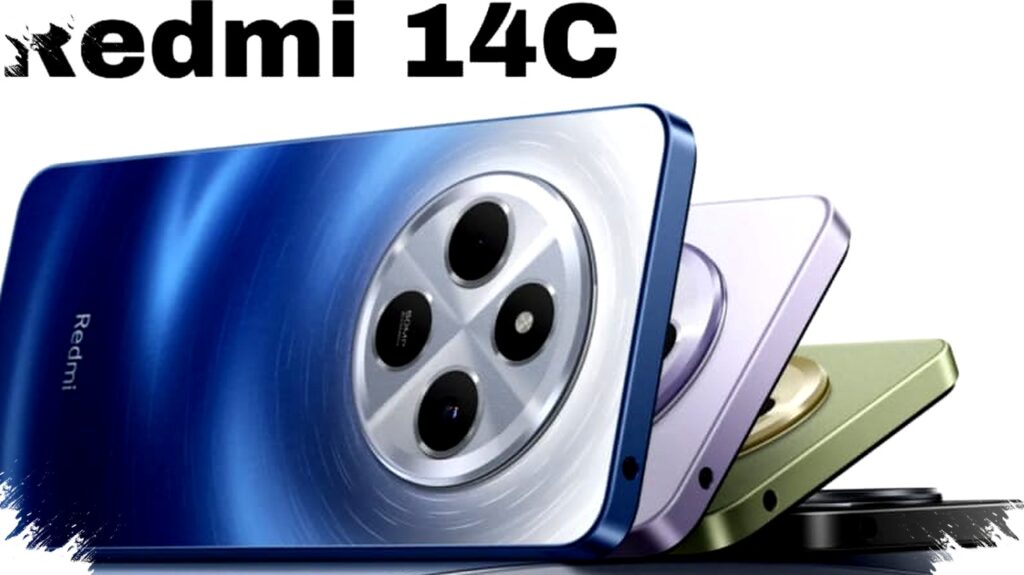
Redmi 14C has quickly positioned itself as one of the more compelling entry-level smartphones for users who want a large display, practical features, and a low price. The device targets buyers who value screen comfort and everyday usability more than premium extras, and that focus makes it stand out in a crowded budget segment.
Its headline feature is a 6.88-inch display, which is currently the largest screen in the Redmi lineup. The panel also supports a 120Hz refresh rate, a feature that is still uncommon in many affordable phones and can make scrolling, app switching, and casual gaming feel noticeably smoother.
What makes the display stand out
The large screen is not only about size, but also about comfort. According to Pricebook.co.id, the Redmi 14C display is designed to be easier on the eyes, which matters for users who spend long hours reading, browsing social media, or watching short videos.
Xiaomi backs that claim with TÜV Rheinland Low Blue Light and Flicker Free certifications. These certifications are important because they suggest the display tries to reduce eye strain during extended use, something that has become more relevant as smartphone usage continues to rise across all age groups.
For mobile users, a big display can be a practical advantage in several daily scenarios. It helps when watching video content, typing messages, checking documents, or playing light games, especially for those who prefer a more spacious interface without moving to a tablet.
Key specs that define the Redmi 14C
The Redmi 14C does not try to compete with flagship phones on raw power. Instead, it focuses on giving balanced specifications that fit common daily needs at an accessible price.
Here is a simple breakdown of the main hardware features:
| Feature | Redmi 14C Specification |
|---|---|
| Display | 6.88-inch, 120Hz refresh rate |
| Processor | MediaTek Helio G81-Ultra |
| RAM | 6GB or 8GB |
| Internal storage | Up to 256GB |
| Rear camera | 50MP AI camera |
| Front camera | 13MP with ring light |
| Battery | 5,160 mAh |
| Additional feature | NFC support |
The MediaTek Helio G81-Ultra is built for entry-level and lower mid-range use cases. It is not designed for heavy gaming or advanced video editing, but it should handle basic multitasking, messaging, streaming, and casual gaming more reliably than ultra-budget chips.
Everyday performance for practical users
With 6GB or 8GB of RAM, the Redmi 14C offers more flexibility than many entry-level phones in its class. More RAM typically helps with smoother app switching and reduces slowdowns when users keep several apps open at once.
The 256GB storage option also gives the device broader appeal. For users who save many photos, download videos, or install multiple apps, larger internal storage can matter more than headline benchmark numbers.
That said, the Redmi 14C is still best understood as a phone for daily basics. It should suit students, first-time smartphone buyers, and users who need a secondary device for communication, entertainment, and online transactions.
Camera features aimed at casual photography
The camera setup follows the same practical approach. The rear camera uses a 50MP main sensor with AI support, which should help the phone produce sharper images in good lighting conditions.
On the front, the 13MP camera includes a ring light. That detail may sound small, but it can improve selfie quality in dim rooms or nighttime settings, where front cameras often struggle to capture enough light.
For users who rely on their phones to document daily activities, scan QR codes, or upload content to social media, the Redmi 14C provides a camera package that is simple but functional. It is not positioned as a content-creator device, but it does offer enough flexibility for casual photo and video use.
Battery life and useful extras
Battery capacity is one of the Redmi 14C’s strongest practical advantages. Its 5,160 mAh battery is large enough to support a full day of typical use for many people, including calls, browsing, video playback, and light gaming.
This kind of battery size is especially relevant in the entry-level segment, where buyers often prioritize endurance over fast-charging gimmicks or premium design elements. A large battery can reduce the need to charge the phone multiple times a day, which is useful for students, workers, and travelers.
NFC support adds another layer of convenience. In markets where digital payments, e-money top-ups, or contactless verification are becoming common, NFC can make a budget phone feel more modern and useful.
Why the price factor matters
One of the main reasons the Redmi 14C attracts attention is its price positioning. The device starts at around $60 to $70 depending on market and configuration, which places it squarely in the affordable smartphone category.
At that level, the combination of a large 120Hz display, a 50MP main camera, a 5,160 mAh battery, NFC, and up to 256GB of storage creates a fairly strong value proposition. Many entry-level phones in the same bracket often compromise heavily on display smoothness, storage, or battery capacity.
Xiaomi also includes a warranty period of up to 15 months, along with two Android version upgrades and three years of security patches. That software support is important because it helps the device stay usable and better protected for a longer period.
What buyers are likely to notice first
For most buyers, the first impression will come from the screen. A large 6.88-inch display immediately makes the phone feel different from smaller budget models, and the 120Hz refresh rate adds a sense of responsiveness that many users associate with more expensive phones.
The second major appeal is the overall balance. Redmi 14C does not rely on one standout feature alone, but instead combines several practical elements that matter in daily life.
- Big and smooth display for media and browsing
- Large battery for all-day use
- Decent camera package for casual photos
- NFC for digital convenience
- Long software support for better longevity
This combination helps explain why the Redmi 14C is being viewed as one of the more attractive entry-level phones in its category. It does not aim to be a performance leader, but it offers a set of features that feels well matched to the needs of budget-conscious users who still want a modern smartphone experience.
In a segment where many devices compete mostly on price, the Redmi 14C tries to win by offering a broader and more practical package. Its oversized display, strong battery life, and useful long-term support make it a relevant option for buyers who want everyday comfort without paying a premium.