


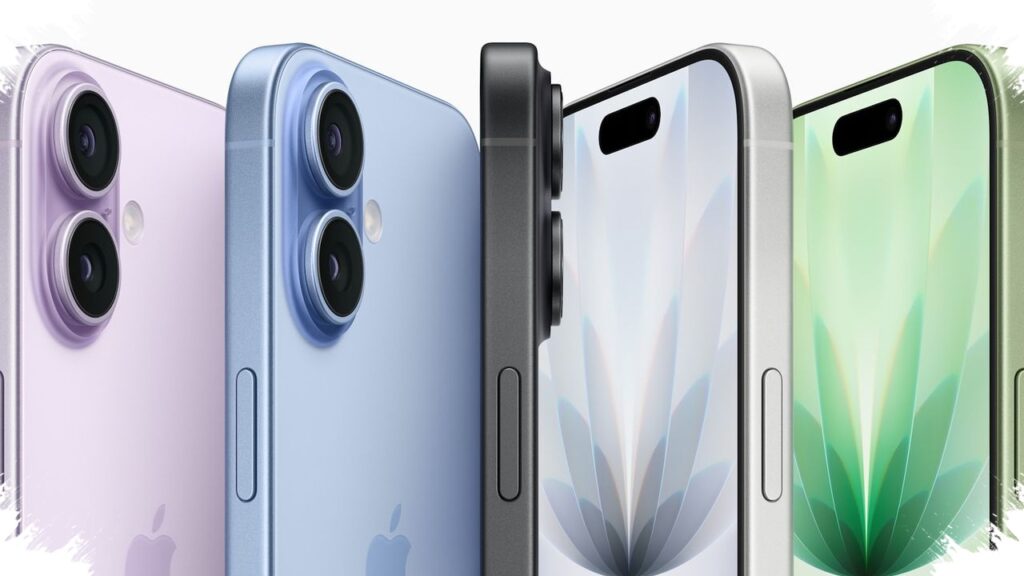
Apple’s iPhone 17 delivers exactly what many buyers expect from a flagship phone in 2026: fast performance, better efficiency, and stronger on-device AI support. But the real question for many users is not whether it is powerful, but whether Apple’s tightly controlled ecosystem still limits how far that power can go outside the Apple world.
That tension matters more now because Android rivals keep opening their platforms with broader customization, easier file handling, and more flexible cross-device use. For buyers in Indonesia and other markets, the iPhone 17 looks strong on paper, yet the closed ecosystem remains a key factor that can shape daily use, especially for users who rely on mixed-device workflows.
What the iPhone 17 brings to the table
Apple launched the iPhone 17 series in September 2025 with a clear focus on speed, efficiency, and deeper hardware integration. The standard iPhone 17 uses the A19 chip built on a 3nm process, and Apple says the new generation improves CPU performance by about 12 percent and GPU performance by as much as 33 percent compared with the previous model.
That upgrade is not just about benchmark numbers. In real-world use, it can improve multitasking, gaming, editing, and AI tasks that run directly on the device, which is increasingly important as more features move away from cloud processing.
Key iPhone 17 specifications at a glance
- 6.3-inch OLED display with ProMotion 120Hz
- Apple A19 chipset on 3nm architecture
- 8GB RAM
- Dual 48MP rear cameras
- 24MP front camera
- Storage options: 128GB, 256GB, and 512GB
- iOS 26
- WiFi 7 and C1X modem
- Estimated 3,500 mAh battery
- Starting price: $799
The hardware list shows that Apple is aiming for a premium all-rounder, not only a camera phone or a gaming device. It is built to stay fast for years, and that long-term smoothness is one of the biggest reasons many users stay inside the iPhone lineup.
Why Apple’s ecosystem still feels restrictive
Apple’s biggest advantage is also its biggest limitation. The company keeps tight control over hardware, software, and connectivity, which creates a polished experience but also reduces flexibility for users who want more freedom.
The iPhone 17 strengthens that strategy with Apple’s own C1X modem and in-house connectivity chips, which help Apple reduce dependence on external suppliers and improve integration across its products. That means better consistency with devices like the Mac, iPad, and AirPods, but it also reinforces the same closed model that has long defined Apple’s ecosystem.
For users who only use Apple products, the experience can feel seamless. For everyone else, the gaps become more visible, especially when switching between platforms or trying to use apps and services that work better on Android.
Where the limitations show up in daily use
Apple still restricts several areas that matter to power users and mixed-device households. Those limitations do not make the iPhone 17 weak, but they do shape how people use it every day.
- File management remains more controlled than on Android.
- Third-party app compatibility is still limited in some areas.
- Cross-platform integration is not as open as Android-based ecosystems.
- Customization options remain narrower than many Android users expect.
- Full synergy works best only inside Apple’s own product family.
For example, users who often transfer files across laptops, tablets, and phones from different brands may find Android more convenient. People who rely on sideloading, broader app access, or system-level customization may also feel Apple’s restrictions more strongly.
Why performance still matters in spite of the ecosystem issue
Even with those drawbacks, the iPhone 17 still offers a strong value proposition for users who prioritize speed, stability, and security. The A19 chip, WiFi 7 support, and improved power efficiency make the phone appealing for heavy daily use, while iOS 26 is expected to work closely with the hardware for a more optimized experience.
That matters in practical terms because performance is not only about raw power. A phone that stays smooth after years of updates, handles AI functions on-device, and maintains battery efficiency can often feel more useful than a device with more open features but less consistency.
How the iPhone 17 compares with the broader 2026 market
The 2026 smartphone market gives buyers two clear paths. One path favors openness, customization, and easier cross-platform use, while the other favors control, consistency, and polished integration.
Apple continues to bet on the second path. The iPhone 17 shows that the company believes users will accept fewer freedoms if they get better performance, longer support, and a more unified device experience.
That strategy works especially well for customers who already own a Mac, iPad, or AirPods. It also makes sense for buyers who want a phone that feels stable, secure, and predictable every day. But for users who switch brands often or prefer more control over their devices, the iPhone 17’s speed may not be enough to outweigh the ecosystem limits.
Who the iPhone 17 is best for
The iPhone 17 is a strong option for users who want a phone that feels fast, lasts long, and works best within Apple’s product family. It is less ideal for users who expect Android-style freedom, open file handling, or easier integration with non-Apple devices.
In that sense, the iPhone 17 is not a phone with weak limitations. It is a phone with strong performance wrapped inside a system that still asks users to stay inside Apple’s boundaries, and that trade-off will likely define its appeal throughout 2026.