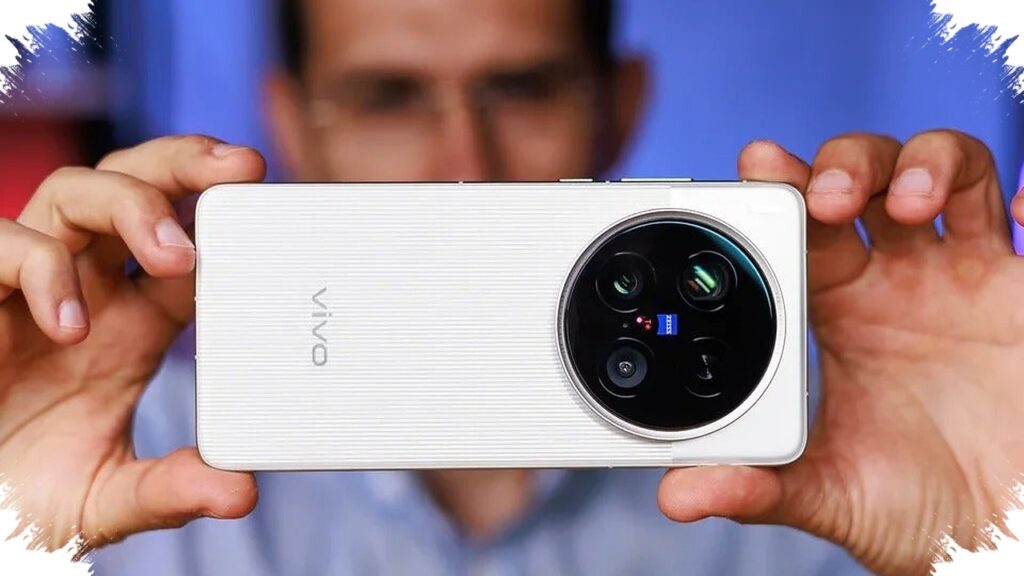
Vivo X300 may sit in the premium flagship tier, but it is not the only option worth attention in its price range. Five rivals now look stronger in one or more key areas, especially battery capacity, charging speed, and long-term software support.
That matters for buyers who want more than camera tuning and raw performance. Based on the reference data from Gizmochina, the competition around Vivo X300 is being shaped by larger batteries, faster charging, brighter displays, and longer Android update promises.
Why the Vivo X300 faces serious pressure
Vivo X300 entered the market as a compact flagship with a strong focus on imaging and performance. Even so, several competitors now match that premium positioning while offering clearer advantages in everyday use.
The most important differences are not always visible in benchmarks. Battery size, wireless charging speed, and the number of promised Android upgrades can matter more for long-term value.
1. Oppo Find X9: bigger battery, similar flagship feel
Oppo Find X9 is one of the closest rivals because it targets the same premium segment with a balanced hardware package. It also uses a 6.59-inch AMOLED display, which gives users a slightly larger screen without turning the phone into an oversized device.
The standout detail is its 7,025mAh battery, which is about 16% larger than the Vivo X300 battery pack listed in the reference material. Oppo also adds 50W wireless charging and Hasselblad color tuning, which targets more natural-looking skin tones in photos.
2. Samsung Galaxy S26: the software champion
Samsung Galaxy S26 stands out for a different reason: software support. It is the only non-Chinese alternative in this group and brings seven generations of Android updates, which is significantly longer than the Vivo X300’s four major updates.
Samsung also includes Gorilla Glass Victus 2 on both sides and an Armour Aluminum 2 frame. For buyers who keep phones for many years, that update policy may outweigh a battery advantage.
3. OnePlus 15: the battery endurance king
OnePlus 15 is built for users who want strong performance and long battery life. It uses Snapdragon 8 Elite Gen 5 and pairs that chip with a 6.78-inch LTPO AMOLED display that supports a 165Hz refresh rate.
Its 7,300mAh battery is bigger than all the other phones in this group, including the Vivo X300. Charging is equally aggressive, with 120W wired charging and 50W wireless charging.
4. Xiaomi 17: compact size, strong all-round specs
Xiaomi 17 offers a compact flagship experience while still making room for a 6.3-inch LTPO AMOLED panel with 3,500 nits peak brightness. The phone runs on Snapdragon 8 Elite Gen 5, which the reference article describes as faster and more efficient than the Dimensity 9500 used in Vivo X300.
Battery capacity also lands ahead with 6,330mAh, plus 100W wired charging and 50W wireless charging. Xiaomi further promises five major Android upgrades, giving it a longer support window than Vivo X300.
5. Realme GT 8 Pro: display and charging power
Realme GT 8 Pro aims at users who want bold specs. It features a 6.79-inch AMOLED display with 144Hz refresh rate and a striking 7,000 nits peak brightness, making it one of the most aggressive screens in the segment.
Battery capacity reaches 7,000mAh, and charging is equally strong at 120W wired and 50W wireless. Realme also includes a 200MP periscope telephoto camera with 3x optical zoom, which gives it extra appeal for photography-focused buyers.
Quick comparison of the main rivals
| Model | Battery | Wired Charging | Wireless Charging | Android Upgrades |
|---|---|---|---|---|
| Oppo Find X9 | 7,025mAh | 80W | 50W | 4 generations |
| Samsung Galaxy S26 | 4,300mAh | 25W | 15W | 7 generations |
| OnePlus 15 | 7,300mAh | 120W | 50W | 4 generations |
| Xiaomi 17 | 6,330mAh | 100W | 50W | 5 generations |
| Realme GT 8 Pro | 7,000mAh | 120W | 50W | 4 generations |
Which alternative fits each type of buyer
For buyers who prioritize the longest software support, Samsung Galaxy S26 looks like the safest option. For battery life and top-up speed, OnePlus 15 and Realme GT 8 Pro are the most aggressive choices.
For those who want a more balanced flagship with strong camera branding, Oppo Find X9 and Xiaomi 17 remain attractive. The data shows that Vivo X300 is entering a segment where one strong feature is not enough, because rivals are now combining bigger batteries, faster charging, and longer support cycles in one package.