Architects in 2026 are working farther from the office and closer to the job site. That shift has made SIM card tablets more relevant, because they can upload drawings, markup plans, and sync cloud files without waiting for office WiFi.
The real advantage is speed. A tablet with 4G or 5G can keep BIM files, CAD revisions, and presentation decks moving while teams stay in the field, which reduces delays that often break project momentum.
Why SIM Card Tablets Matter for Architects
Industry workflows now depend on quick file transfer and real-time coordination. When site supervisors, interior designers, and freelance architects cannot rely on stable WiFi, a cellular tablet becomes a practical tool rather than a backup device.
The reference data shows that many tablets in the $140 to $190 range already support mobile networks and multitasking features that fit light to mid-level professional use. That makes 2026 a strong year for architects who want mobility without paying laptop-level prices.
What to Look for Before Buying
The best tablet for architectural work should balance display size, memory, battery life, and mobile connectivity. For daily field use, a screen of at least 11 inches helps with plan reading, while 6GB of RAM or more improves smoother multitasking.
Battery capacity also matters because site work often happens away from chargers. If the device supports stylus input, it becomes more useful for sketching annotations, marking revisions, and reviewing layout details on the go.
6 SIM Card Tablets for Architects in 2026
Samsung Galaxy Tab A9+ LTE
It offers an 11-inch screen, 4GB to 6GB RAM, and 4G LTE support. The price sits around $205 to $235, making it a balanced option for general architectural field work.Xiaomi Redmi Pad 2 4G
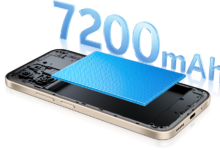
This model brings an 11-inch 2.5K display and a 9,000 mAh battery. At roughly $175, it stands out for users who need long endurance and clear visuals for drawings.Infinix XPad 20 Pro
The tablet pairs 8GB RAM with 256GB storage and a 12-inch 2K display. Priced near $200, it is attractive for architects who handle larger files and want more room for split-screen work.Huawei MatePad SE 11 LTE
With 6GB RAM and an 11-inch display, this device targets users who want a simple, affordable LTE tablet. Its price is about $150, which keeps it accessible for students and junior professionals.Advan Tab Sketsa 3 (4G)
This model includes 6GB RAM and stylus support, which is useful for sketching and quick markup. At around $138, it is one of the lowest-cost options for on-site creative work.- Tecno MegaPad 11
The 11-inch tablet comes with a large battery and a price near $145. It suits users who want basic cellular connectivity and long use time for meetings, notes, and file review.
Quick Comparison Table
| Model | Screen | RAM | Connectivity | Approx. Price |
|---|---|---|---|---|
| Samsung Galaxy Tab A9+ LTE | 11 inches | 4GB–6GB | 4G LTE | $205–$235 |
| Xiaomi Redmi Pad 2 4G | 11 inches 2.5K | Not stated | 4G | $175 |
| Infinix XPad 20 Pro | 12 inches 2K | 8GB | Cellular version available | $200 |
| Huawei MatePad SE 11 LTE | 11 inches | 6GB | LTE | $150 |
| Advan Tab Sketsa 3 (4G) | Not stated | 6GB | 4G | $138 |
| Tecno MegaPad 11 | 11 inches | Not stated | Cellular support | $145 |
Best Fit for Real Architectural Work
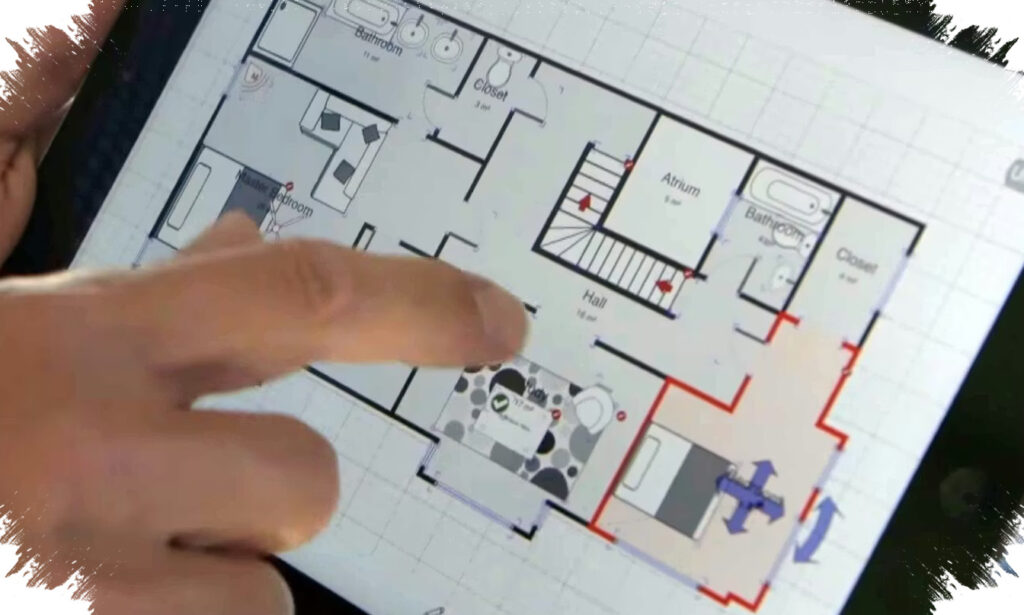
For architects, the most important feature is not just connectivity but workflow continuity. A tablet with SIM support lets users open light AutoCAD files, annotate drawings with a stylus, and upload edits directly to cloud storage from the job site.
That matters when revisions must reach the team fast. Real-time upload reduces idle waiting, and mobile networks help keep consultants, contractors, and project owners aligned even when the site has no stable internet line.
Who Benefits Most From These Tablets
Field architects gain the most from cellular tablets because they move between project areas and coordination meetings. Interior designers who make on-site revisions also benefit, especially when they need to update visual references without returning to the office.
Architecture students and freelancers can also use these devices well, especially for presentations, sketch review, and quick file sharing. In all of these cases, a SIM card tablet helps keep work moving when a hotspot is unavailable or too slow.
Why 2026 Is a Strong Buying Year
The 2026 market is more mature, and even tablets in the $140 to $190 range now deliver useful mobile productivity. That creates a practical entry point for professionals who need stable uploads, cloud access, and enough performance for everyday design tasks.
As more tablet models adopt 5G and improve RAM capacity, the gap between office devices and field devices is shrinking. For architects who spend time on construction sites, a SIM card tablet is now one of the most efficient tools for keeping design work active without delay.