


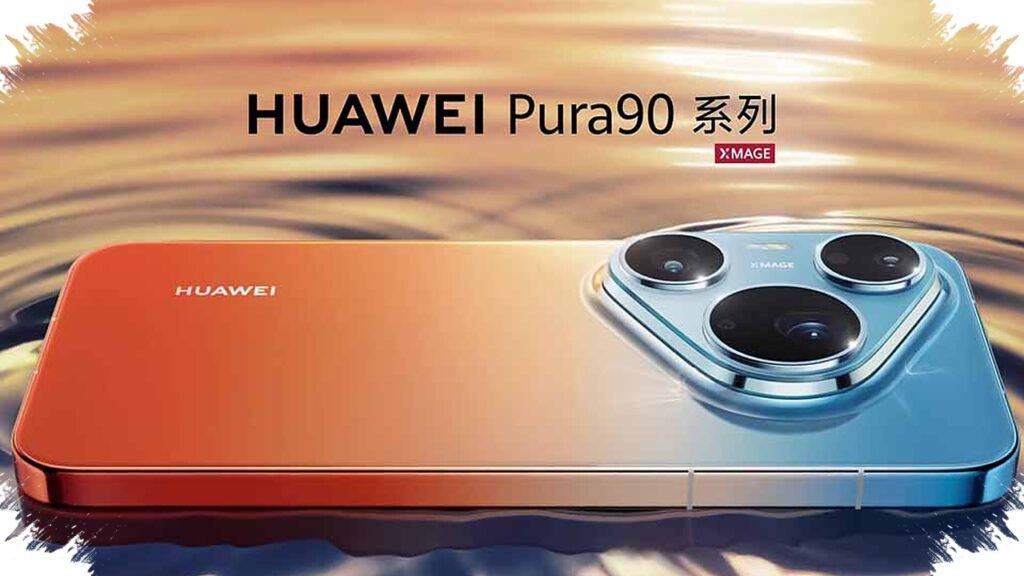
Huawei’s reported decision to leave out an Ultra version from the Pura 90 series is drawing attention because it points to a more measured approach to its premium lineup. For a brand that has long used the Ultra badge to signal the highest-tier model in a family, the absence of that name suggests Huawei may be tightening its strategy rather than expanding its range.
The development, which circulated in April 2026, has led to fresh questions about how Huawei plans to position its next flagship phones. Instead of placing emphasis on a single model meant to stand above the rest, the company appears to be moving toward a simpler structure that gives each device a more defined role.
A notable break from Huawei’s usual flagship pattern
For several generations, Huawei has treated the Ultra variant as the peak of its smartphone series. That model typically carried the most complete hardware package, with the strongest focus on camera capabilities and other premium features that separated it from the rest of the lineup.
This pattern was especially visible in the P and Mate families, where the Ultra model often served as the clearest showcase of the company’s top technology. That is why the reported absence of a Pura 90 Ultra stands out so sharply, even before the full lineup has been officially detailed.
The change is not only about naming. It also suggests Huawei may want to avoid spreading attention across too many versions and instead build a smaller, more focused flagship structure.
What the missing Ultra label means for buyers
The Ultra badge has usually carried clear expectations for consumers. It has been associated with major upgrades in areas such as camera performance, display quality, and overall speed, making it the model many users look to first when a new series is announced.
If the Pura 90 Ultra is indeed not being prepared, the most advanced features may be distributed across other models in the same family. That approach could still preserve interest in the series, while removing the need for one device to act as the exclusive symbol of the lineup’s highest ambitions.
At the same time, the change may adjust how the market reads the Pura 90 family. Without an Ultra version, the hierarchy inside the series could look different, and the remaining models would need to carry more of the premium identity on their own.
Why a leaner flagship lineup may make sense
Huawei’s reported move arrives at a time when the flagship smartphone market is becoming more demanding. Brands in this segment are expected not only to deliver innovation, but also to manage product lines in a way that is easier for consumers to understand and for companies to maintain.
A simpler portfolio can help reduce overlap between models and make decisions around production and supply easier to manage. It also allows manufacturers to focus resources on clearer distinctions between devices, rather than spreading effort too thin across several variants.
That kind of streamlining has become more common across the industry. Some vendors have already started trimming the number of versions in a series so that each phone has a more obvious place in the lineup and a more direct market identity.
Huawei has not explained the decision yet
So far, Huawei has not offered an official explanation for the reported omission of the Ultra model from the Pura 90 series. The full composition of the lineup has also not been publicly revealed, which means the circulating information still depends on media reports and industry sources.
Even so, the message is already clear enough for observers watching Huawei’s premium direction. The apparent removal of the Ultra badge suggests a flagship strategy that is becoming more selective, with a stronger focus on structure, efficiency, and a narrower set of main products.
For the Pura 90 series, that could mean a different kind of premium positioning, one that places less weight on a single top-end label and more weight on how the remaining models are arranged within the lineup.