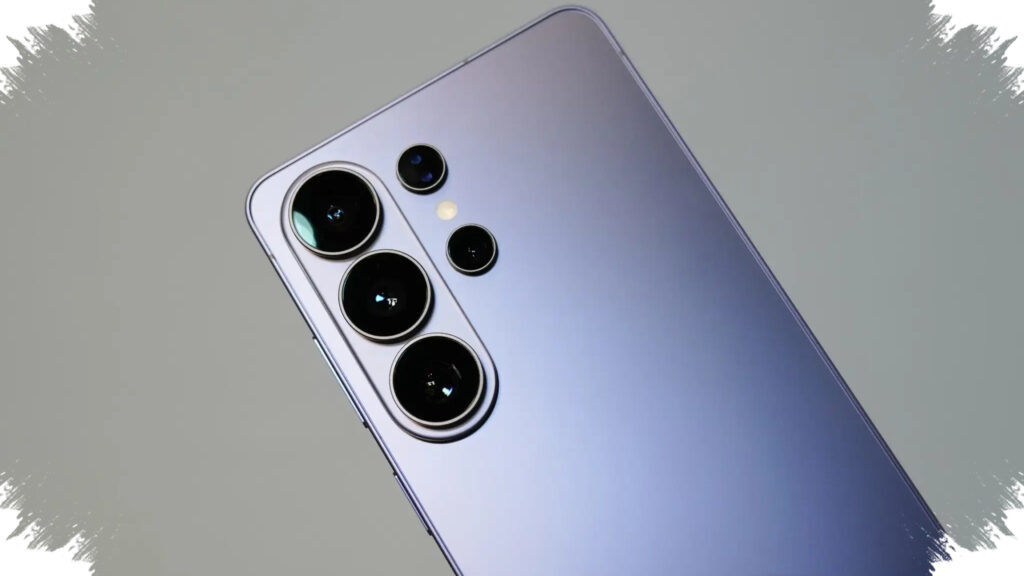
Samsung’s next Ultra phone is being linked to a camera direction that feels more deliberate than a simple megapixel boost. Rumors around the Galaxy S27 Ultra suggest the company is looking at a 200MP main sensor paired with variable aperture, a combination that would put imaging flexibility back at the center of the upgrade.
That matters because the expected changes point to more than headline specifications. Instead of relying only on higher resolution, Samsung appears to be focusing on how the camera handles light, detail, and real-world shooting conditions.
A familiar feature may return
Variable aperture is back in the conversation through recent leaks tied to a Chinese tipster active on Weibo. The feature lets the camera adjust its aperture dynamically depending on the surrounding light, which helps keep photos sharp in bright conditions and brighter in low light.
Samsung has used this idea before, and the most notable example was the Galaxy S9. When that phone arrived in 2018, its variable aperture was widely seen as one of Samsung’s standout camera innovations.
Why the sensor upgrade sounds more serious
The Galaxy S27 Ultra is also said to bring a larger 200MP sensor than the one used before. A bigger sensor can generally capture more light, which often improves overall image quality in a more meaningful way than resolution alone.
Samsung is additionally rumored to add LOFIC technology to the new sensor. That technology is said to widen dynamic range, helping preserve detail in both bright and dark parts of a scene.
Taken together, those changes suggest a more aggressive camera refresh. The focus appears to be shifting toward better light capture and more controlled imaging behavior rather than just a bigger number on the spec sheet.
The camera setup could change again
Another rumor points to Samsung removing the 3x zoom camera. That would be a notable shift, but it may be part of making room for new camera hardware that the company considers more valuable.
If that happens, the camera layout would put more weight on the main sensor. A stronger primary camera could handle a wider range of shooting situations without depending as much on extra lenses.
What the combination could mean in practice
Variable aperture becomes more useful when it is paired with a large sensor. On a smaller sensor, the impact can feel limited, but on a larger one the effect may be more noticeable in actual shooting conditions.
That combination could give users a camera that adapts faster as lighting changes. Daylight shots may stay crisp, while low-light scenes could benefit from the wider opening and the larger sensor’s ability to gather more light.
The rumors also raise questions about Samsung’s broader strategy. Some observers see the return of variable aperture as part of a wider industry direction, especially with Apple also being linked to similar technology in the future.
For now, the Galaxy S27 Ultra is shaping up as a phone that may treat camera hardware as a system rather than a checklist. If these reports hold up, Samsung’s next Ultra could blend a 200MP sensor, LOFIC, and variable aperture into a more focused approach to mobile photography.
Source: www.gadgetdiva.id