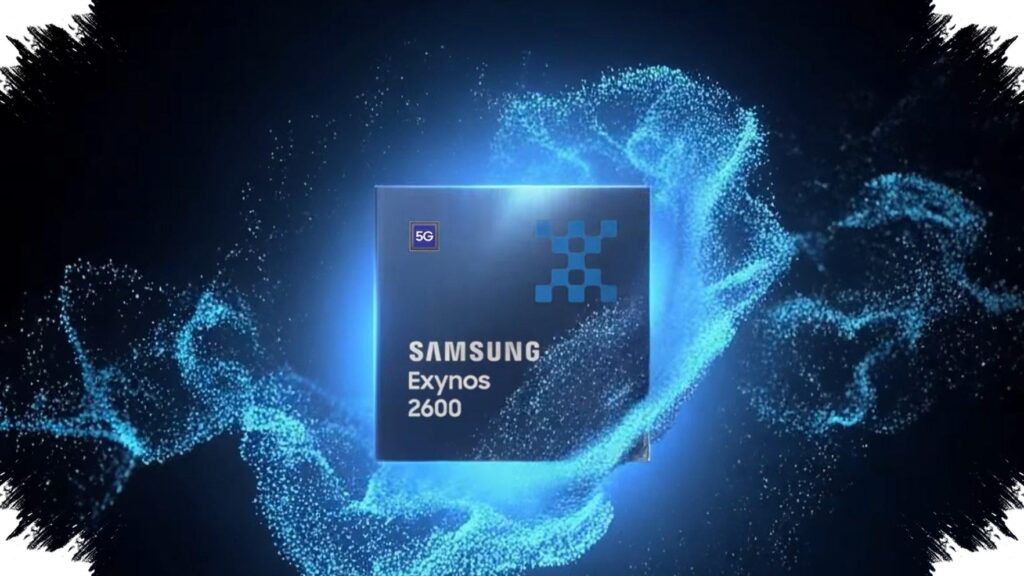
Samsung’s next major Exynos chip is already drawing attention for a reason that goes beyond raw performance. Early chatter around Exynos 2800 suggests the company may move away from ray tracing and instead aim for path tracing, a shift that could push Android gaming visuals much closer to what is usually associated with high-end graphics systems.
That direction matters because ray tracing has only recently been marketed as a premium mobile graphics feature. A move to path tracing would not simply be another small upgrade, but a much more ambitious step that could reshape expectations for visual quality on Android devices.
A more demanding graphics approach
Path tracing is generally seen as a more advanced version of ray tracing. It models how light behaves in a scene in a more detailed way by tracking multiple light bounces, which can make reflections, shadows, and lighting appear more natural.
The tradeoff is clear. Compared with ray tracing, path tracing requires far more computation and is much heavier for hardware to handle. Bringing that level of graphics support to mobile devices would therefore be an aggressive technical move rather than a routine feature update.
If Samsung does deliver it on Exynos 2800, the chip could become a milestone for Android gaming. The appeal is not only in better visuals, but also in the possibility of setting a new standard for premium graphics on the platform.
A notable shift from earlier Exynos strategy
Samsung first introduced hardware-accelerated ray tracing on smartphones with Exynos 2200 in 2022. The feature then continued to appear in later generations, including Exynos 2400, Exynos 2500, and Exynos 2600.
Exynos 2700, which is also said to be in preparation, is still expected to retain ray tracing. That is why the rumor about Exynos 2800 changing direction stands out so sharply.
Rather than continuing the same graphics path, Samsung may be preparing a transition to a more realistic and more demanding rendering approach. The move would not signal a retreat from visual ambition, but a change in how that ambition is pursued.
GPU plans may become more self-directed
Samsung is also said to be developing its own GPU architecture for Exynos 2800. Up to now, Exynos graphics direction has often been associated with AMD-based RDNA technology.
If that plan materializes, Samsung would gain more control over graphics performance and software optimization. That control could help the company better match GPU behavior with the needs of games, system workloads, and power efficiency on its own devices.
A self-developed GPU combined with path tracing would make Exynos 2800 feel substantially different from prior chips. It would represent not just a feature upgrade, but a broader attempt to build a more independent and more integrated graphics foundation.
Why this matters for Galaxy users
Exynos 2800 is being discussed as a possible processor for the Galaxy S28 lineup. The chip is still far away, but the early details give a sense of how ambitious Samsung’s next major mobile platform could become.
Before that, Samsung is reported to introduce Exynos 2700 first, either at the end of this year or early next year. That chip may be used in some Galaxy S27 models, depending on the market.
For Android users, the practical result of path tracing would be more convincing in-game lighting, reflections, and shadows. At the same time, mobile hardware must balance visual fidelity with heat, efficiency, and stable gameplay performance.
That balance is why the graphics roadmap around Exynos 2800 is drawing interest. If Samsung pairs path tracing with a new internal GPU design, it could be working toward a mobile graphics platform that is built not only for stronger visuals, but also for better control over how those visuals are delivered.
Source: sammyguru.com