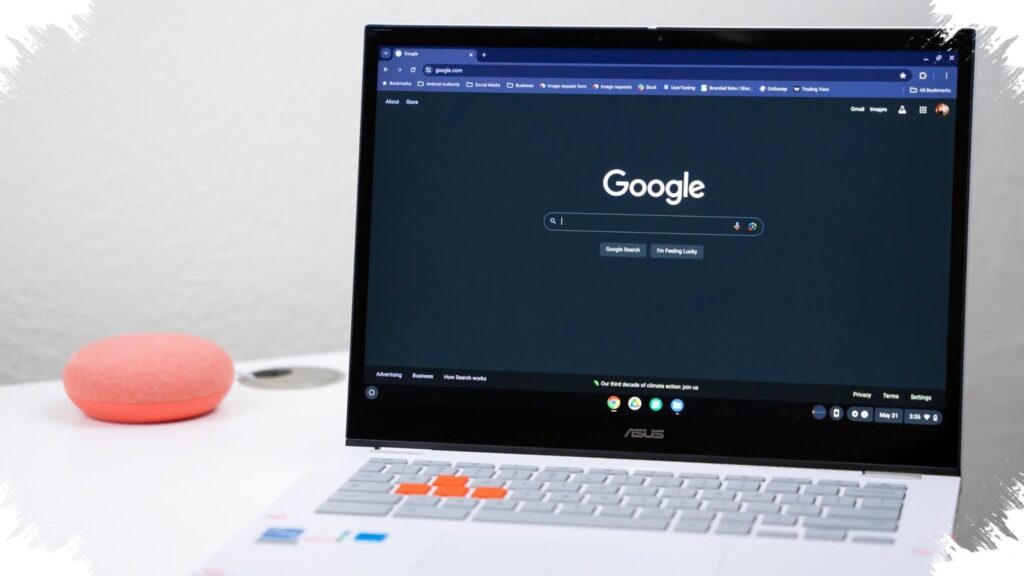
Google’s next laptop effort is not being framed as another ChromeOS refresh. Instead, Googlebooks is being introduced as a new category built around Gemini, with AI placed at the center of the entire experience.
That shift matters because Google is no longer talking only about an operating system. The company says it wants to move “from an operating system to an intelligence system,” and Googlebooks is presented as part of that change.
A laptop designed around Gemini
Google describes Googlebooks as a new class of laptops built with Gemini’s helpfulness at its core. The wording also emphasizes premium hardware and seamless work across the devices people already use.
This is not being positioned as AI added on top of a normal laptop. Google is treating Gemini as the foundation for how the device behaves, making intelligence a core system layer rather than a secondary feature.
One of the most visible demonstrations is a quick way to reach Gemini by moving the cursor. When users point at something on screen, Gemini can respond with contextual suggestions almost immediately.
Google is also preparing prompt-based widget creation. Instead of setting up widgets manually, users will be able to type instructions and generate their own widgets more easily.
Android and ChromeOS move closer together
Googlebooks also highlights the growing overlap between Android and ChromeOS. The device will bring Android apps and the Google Play Store into the laptop experience, while Chrome browser support remains part of the package.
That combination gives Googlebooks a more hybrid character than a typical ChromeOS laptop. It is meant to keep the strengths of the web while also extending the Android app ecosystem into a larger screen format.
Google has not shared full technical details yet, and the current announcement is still described as a sneak peek. More information will be shared later this year.
Built to connect more tightly with Android phones
A major part of the appeal is how Googlebooks is supposed to work with Android smartphones. Google says apps on the phone will be accessible from Googlebook, narrowing the gap between mobile and laptop use.
Notifications from the phone will also appear on Googlebook, and users can act on them directly inside the relevant phone app. That makes the laptop more than a notification mirror; it becomes a continuation of mobile activity.
File access is also being tightened between devices. Google plans to let users reach phone files directly from the file browser on Googlebook, which should make moving documents, images, and other content feel more natural.
Premium hardware and multiple device partners
Google is not building this category alone. Acer, Asus, Dell, HP, and Lenovo are all working with Google on Googlebooks, signaling broad support from major PC makers.
The first devices are said to arrive with premium craftsmanship and materials. Google also says Googlebooks will come in different shapes and sizes, suggesting the category will not be limited to a single design approach.
Each Googlebook will include a glowbar. Google calls it “a statement that is both functional and beautiful,” which suggests the element will serve both a practical role and a visual one.
For now, Google has stopped short of revealing specifications, pricing, or launch timing for individual models. The company says those details will come later this year as the category takes more concrete form.
Googlebooks therefore looks like Google’s clearest attempt yet to redefine the laptop around AI, Android, and the web at the same time. By placing Gemini at the center and tying the device closely to phones, apps, and premium hardware, Google is drawing a new line for portable computing.
Source: www.gsmarena.com