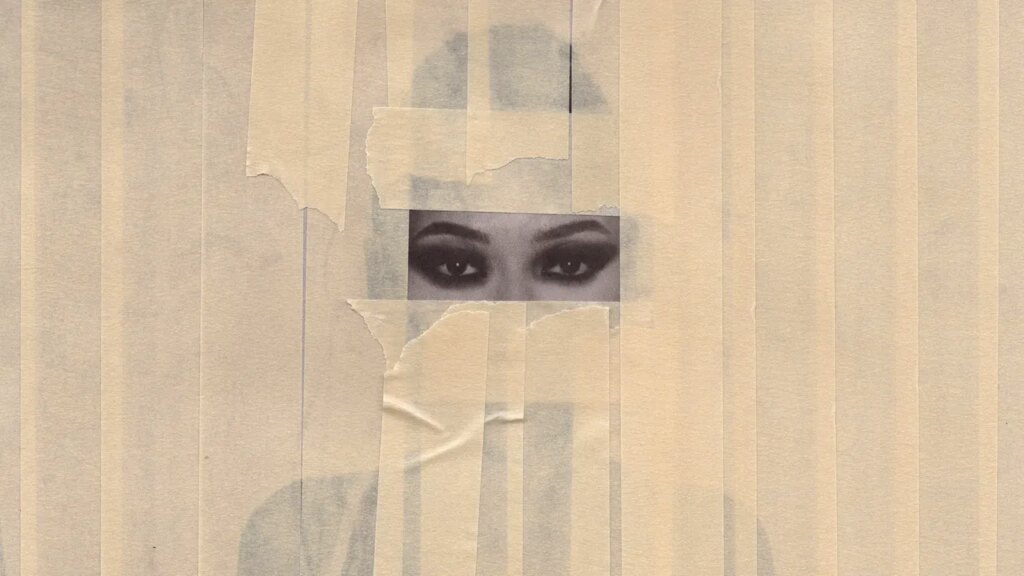
Drake’s HABIBTI arrives as the most emotionally revealing part of a larger three-release idea, and it is also the section that most clearly shows his strengths and limits. The project leans on intimacy, romantic doubt, and personal detail, even as it sometimes slips into smaller ideas that feel less fully formed.
The central question around HABIBTI is whether Drake can still make vulnerability feel immediate. Pitchfork’s review suggests that he often can, especially when he stays close to the lonely, self-questioning persona that once defined much of his appeal.
Where HABIBTI works best
The strongest moments come when Drake centers heartbreak and uncertainty instead of chasing outward flexes. On “White Bone,” he turns the focus inward with the line, “I love you so much, I cannot lose you so,” and follows it with a whisper-like refrain about being “so close,” which gives the track a private, uneasy pulse.
That sense of doubt also gives “Gen 5” a clearer emotional shape after a rough start. Drake moves from a clipped, awkward opening into a more haunting second verse, where he sings, “I don’t think you love me, but I could be wrong / Sitting at this table and I don’t belong,” and the song briefly feels alive with tension.
The tracks that flatten the mood
The review argues that the album loses momentum on its middle-tier songs, where the production and writing do not fully support the mood Drake is chasing. “Hurr Nor Thurr” is described as having ghostly hums and drums that feel weighed down, while Drake and Sexyy Red seem to move through it without enough force.
“Classic” is judged as more decorative than substantial, especially because half of it is built around a pitched-up Jus’ Cauze sample. That choice may appeal to listeners who enjoy crate-digging nostalgia, but the track does not add up to a complete idea.
A more lived-in Drake, but not always a deeper one
One of the more interesting points in the review is that even Drake’s throwaway details help make the world of HABIBTI feel less sealed off. References to Scottsdale girls’ trips and the number of Pilates studios in Dubai may seem small, but they add texture and make the setting feel more human than the rigid backdrop of some of his recent work.
Still, those details do not always solve the larger problem. The album can sound hypnotic, but the emotional payoff is uneven, especially when Drake leans into familiar complaints about status, relationships, and double standards.
Sensitivity remains his most convincing mode
Pitchfork frames HABIBTI as part of a broader attempt to prove Drake still has different versions of “it.” In this part of the project, the real test is sensitivity, and the review implies that this is still the lane where he sounds most convincing.
He also gets help from Qendresa on “Slap the City,” where her Aaliyah-like vocal runs bring energy to the hook. The track begins with romance and self-doubt, including Drake’s line about his empty Toronto mansion, but bitterness soon takes over and weakens the emotional focus.
Drake’s best material on HABIBTI still comes from that familiar place where loneliness, insecurity, and desire overlap. When he stays there, the songs feel personal and lived-in, even when the album around them remains uneven.
Read more at: pitchfork.com