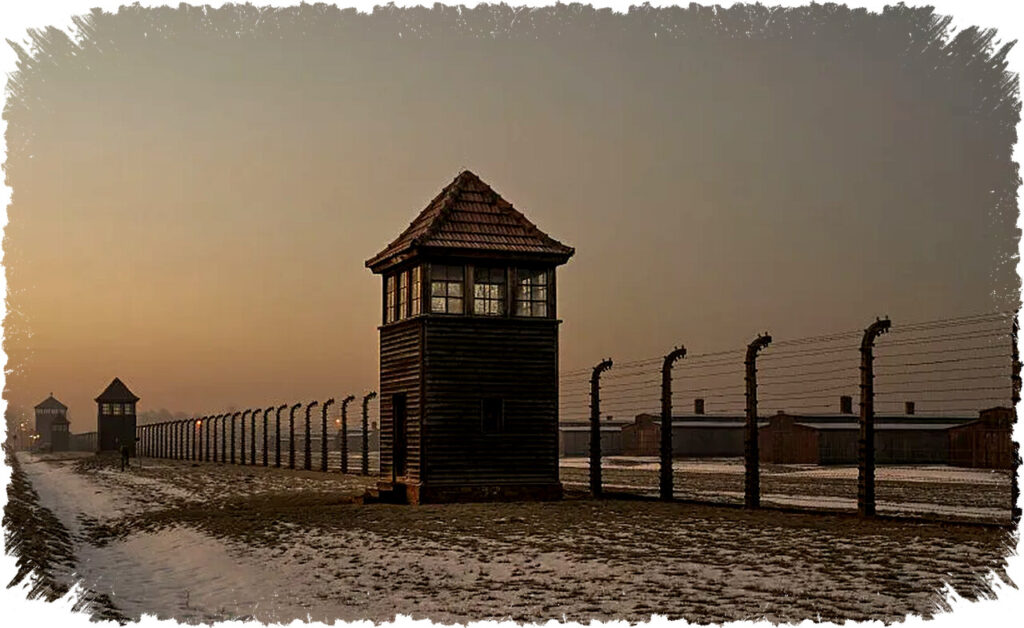
Holocaust Remembrance Day Calls for Action Against Indifference
Holocaust Remembrance Day serves as a solemn reminder to never stand by passively in the face of injustice. It highlights the devastating consequences when individuals and societies choose silence over resistance.
Visiting historical sites like Auschwitz reveals profound truths about the Holocaust’s atrocities. The Nazi concentration camp evolved from a labor facility into a death factory where millions suffered unimaginable cruelties.
Survivors’ belongings—piles of hair, eyeglasses, suitcases, and children’s shoes—tell stories of lives violently uprooted and lost. These artifacts personalize the tragedy, moving it beyond abstract statistics.
Auschwitz guides emphasize the complex roles in history: victims, perpetrators, and bystanders. Not all perpetrators were born evil; circumstances shaped their paths. Likewise, many citizens nearby witnessed horrors but remained silent.
The question arises: What choice would one make under similar circumstances? Did local populations near Auschwitz resist, comply, or ignore the unfolding genocide? Understanding these dynamics is essential for moral reflection.
Historians caution against simplistic judgments of the past. Fear, coercion, and propaganda heavily influenced behaviors during the Holocaust. Yet, this history underscores the vital need for vigilance against oppression today.
Holocaust Remembrance Day compels society to confront current crises with empathy and courage. Issues such as climate change, refugee displacement, mental health, and homelessness call for proactive engagement rather than indifference.
Individual actions can yield significant outcomes. The story of General Dietrich von Choltitz saving Paris by defying orders exemplifies how one person can alter history’s course. Such decisions reject destructive passivity.
To honor victims and survivors, humanity must reject bystander behavior in all forms. Every person holds the responsibility to act when witnessing injustice, no matter how daunting the challenges.
This day encourages education and awareness to prevent repetition of genocide. Remembering the Holocaust is not only about reflecting on the past but also about inspiring current and future generations to uphold human dignity.
By confronting the legacy of the Holocaust honestly, societies affirm the imperative to protect vulnerable populations. The collective memory insists that silence in the face of evil equates to complicity.
Holocaust Remembrance Day challenges individuals to choose courage over complacency. It serves as a call to ensure “never again” is a promise actively kept through engagement and moral accountability.