
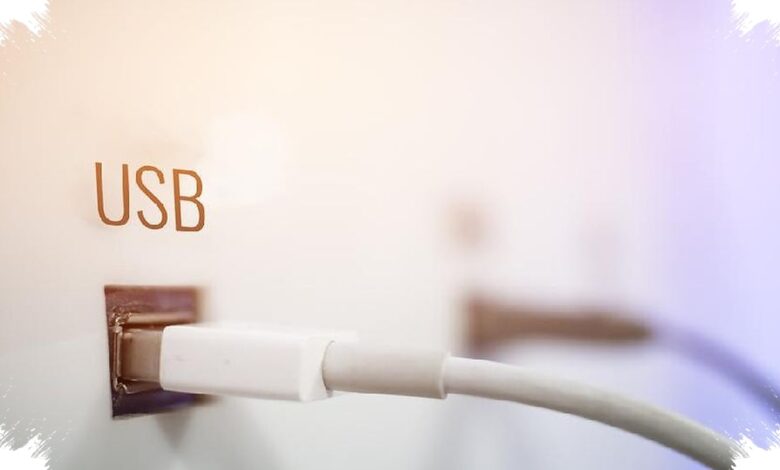
A charging cable that looks ordinary may be capable of opening a path for cyberattacks against a phone or laptop. Indonesia’s National Cyber and Crypto Agency, BSSN, has warned that modified cables can be used to install malware, enable remote access, and take personal data.
The danger is not always visible from the outside. Tiny components can be hidden inside a cable while its exterior continues to resemble a standard charging accessory.
That makes the origin of a cable an important security consideration, especially when it is borrowed or offered by someone unfamiliar. A device can be exposed before its owner has any reason to suspect that the cable has been altered.
How the Attack Can Work
BSSN said the method relies on concealed components embedded in the cable. Those components can allow an attacker to access the cable’s IP address remotely and launch an attack against the connected device.
Once access is obtained, an attacker may potentially take full control of the victim’s device. BSSN said such attacks may also involve efforts to erase traces of the intrusion.
In an Instagram post on Friday (10/7), BSSN warned that dangerous cables can conceal harmful code. “At a glance it looks like an ordinary cable, but inside there is malicious code that can take over your device remotely and drain your personal data,” BSSN wrote.
The warning places charging cable security alongside other basic precautions for connected devices. A cable should not be regarded as harmless simply because it is used for charging.
| Situation | Potential Risk | Recommended Action |
|---|---|---|
| Borrowing a cable from a stranger | The cable may contain hidden components and harmful code | Avoid using the cable |
| Using a public USB port | The port may have been modified | Do not connect a device directly to it |
| Traveling without a cable | Using unknown cables or ports becomes more tempting | Buy a new cable and use a personal charger head |
Public Charging Facilities Carry a Separate Risk
The warning is not limited to borrowed cables. BSSN also highlighted direct USB ports at public charging stations, including those found in airports and hotels.
Public USB ports can create an opening for attacks if they have been altered by irresponsible parties. Connecting a device directly to such a port may expose it to an attempted compromise.
BSSN advised users to carry and use their own charger head. It specifically urged users to avoid connecting devices directly to USB ports built into public facilities.
When a personal cable is unavailable during travel, BSSN recommends buying a new cable instead of borrowing one from an unknown person. This approach reduces the need to rely on accessories with an uncertain history.
A Personal Threat That Could Spread
According to BSSN, attacks involving modified cables currently tend to be personal in nature. However, the agency said the threat could expand as the cost of modification technology becomes cheaper.
Lower costs could make such modified devices easier for attackers to produce or obtain. Basic precautions are therefore needed before connecting a device to an unfamiliar accessory or charging facility.
Using personal charging equipment can help limit exposure in places where shared charging options are widely available. BSSN’s warning underscores that a routine charging decision can also carry a cybersecurity consequence.