Indonesia’s mobile number registration rules are moving toward tighter identity checks, but one important exception remains in place for children under 17. They can still register a SIM card using a parent’s or guardian’s data, which keeps access open for users whose personal records are not yet available in the civil registry system.
That distinction matters because people in this age group have not yet been recorded in Dukcapil, so their registration cannot follow the same path as adult customers whose identity data already exists in the national database. The government has positioned the guardian-based route as a practical solution so mobile service remains accessible without forcing children to provide data they do not yet have.
Guardian data remains the entry point
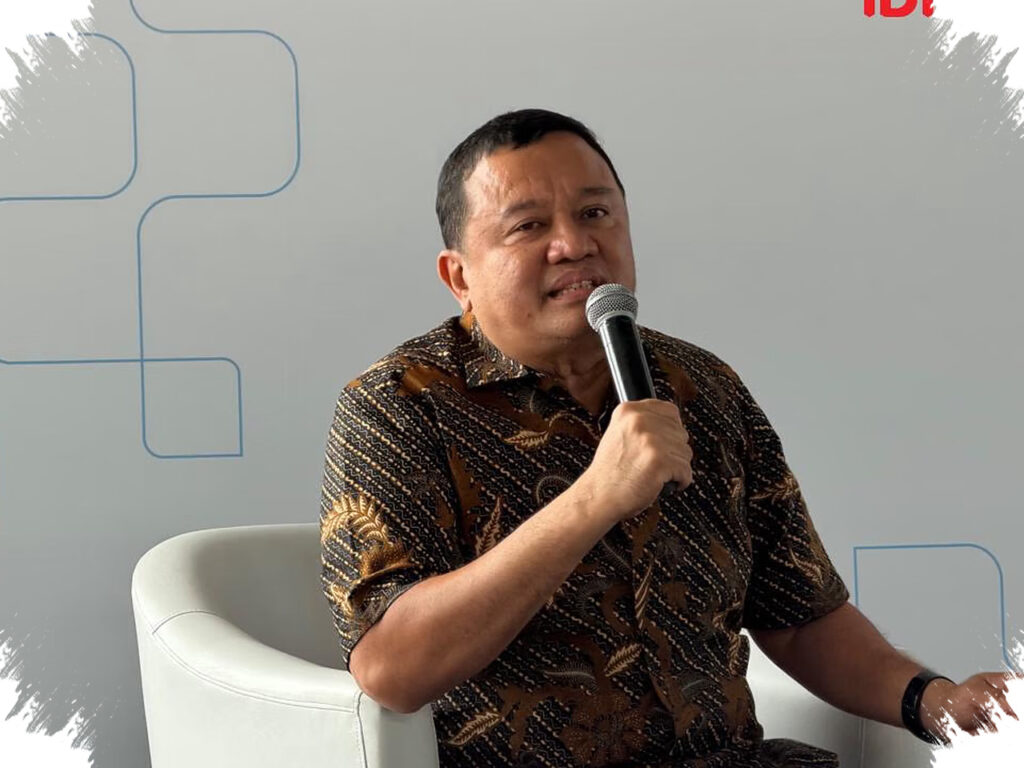
Director General of Digital Ecosystem Edwin Hidayat Abdullah said people under 17 still do not have data in Dukcapil. He explained that registration for them can be assisted by a parent acting as guardian.
Edwin also noted that children in orphanages still have a guardian who can be used to help with mobile number registration. With that arrangement, a number can remain active even when the child’s personal data has not yet entered the population database.
Biometric registration is being tested separately
At the same time, the Ministry of Communication and Digital has already begun testing mobile number registration with biometric data, specifically facial recognition. Full rules for that scheme are set to take effect in July.
The program uses a system called SEMANTIK, short for Senyum Nyaman dengan Biometrik. It relies on face recognition to verify the identity of new SIM card customers, and the government says the process can be fast and accurate.
The verification is claimed to take less than a minute before the number can be used. That speed is part of the appeal of the new system as Indonesia moves toward stricter registration controls.
Stronger oversight and digital protection
The biometric scheme is also designed to help the government monitor how many mobile numbers are tied to one identity. At the same time, mobile operators are required to protect customer personal data under the law.
Officials say the new registration model is not only an administrative update for SIM cards. It is also meant to help reduce online fraud from the outset and improve protection for people in an increasingly crowded digital environment.
For children under 17, the practical result is straightforward: mobile number registration is still possible even without their own population-record data. As long as a parent or guardian is available to take responsibility, access to a mobile number remains open through the channel prepared by the government.