


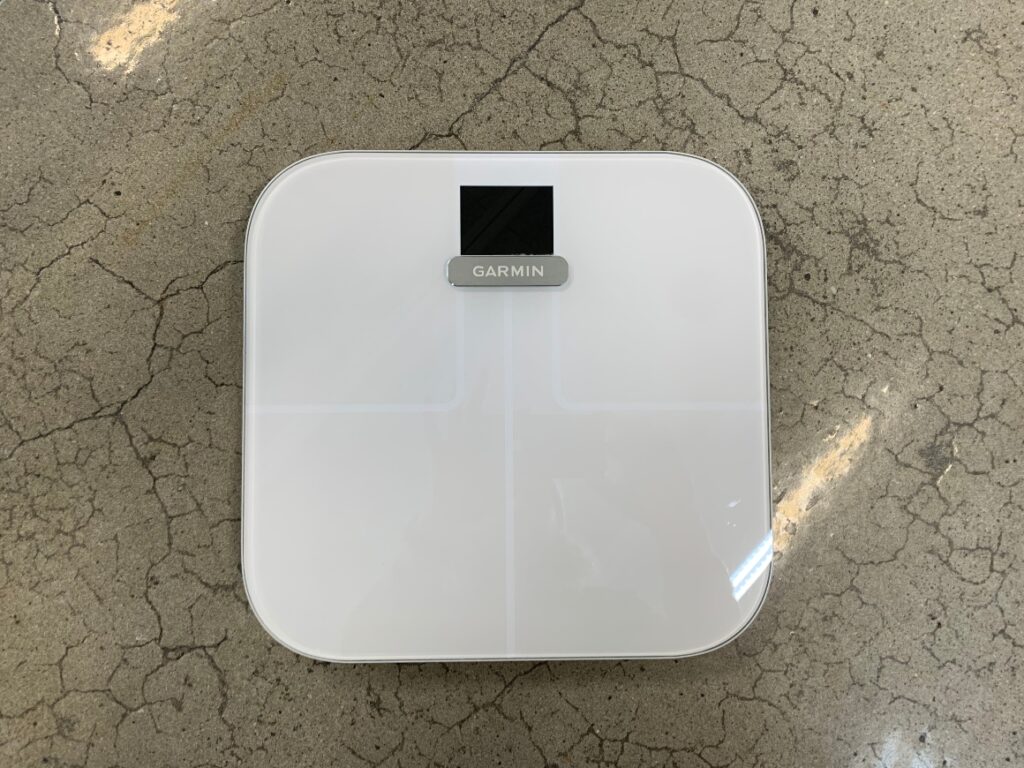
A legal challenge in the United States is putting Garmin’s Index S2 smart scale under scrutiny, with the company accused of overstating how accurately the device measures body composition. The dispute centers on a core issue for home health devices: whether marketing language gives buyers a stronger impression of precision than the hardware can actually deliver.
The case has drawn attention because smart scales are widely used to track everyday health trends. But their measurements rely on bioelectrical impedance analysis, a method that depends heavily on the path the electrical current takes during a reading.
What the lawsuit is targeting
In a 56-page complaint filed in the United States District Court for the Northern District of Illinois, the plaintiff argues that Garmin’s marketing claims about the Index S2 were misleading. The filing focuses on statements suggesting that the scale can accurately measure a range of body composition metrics.
Victor Maurer, the lead plaintiff, is said to have bought the scale in August 2024. After using it, he reportedly found major differences when comparing its results with DEXA scan values.
Why the measurement method matters
The dispute is not only about marketing. It also raises questions about the limitations of smart scales that use just two foot electrodes.
Because the current travels only through the lower body, results tend to reflect lower-body fat estimates more than a full-body composition picture. That does not make the devices useless, but it does mean they are better suited for tracking changes over time than for delivering highly precise body-fat readings.
Why DEXA and calipers are part of the argument
DEXA scans are treated as a more serious comparison method, although they require specialized equipment. Body-fat calipers can also be used by individuals, but they still demand effort and can produce imperfect results.
That comparison is important because the lawsuit suggests Garmin created the impression that the Index S2 offered a high level of accuracy despite technical limits built into the device’s design.
What the plaintiffs want
The complaint does not stop at arguing over marketing language. It also seeks financial compensation and legal fees, while asking for the allegedly misleading promotion to be halted.
Garmin Rumors said it reviewed the complaint in full, and noted that the document cites two studies to support the claim that two-electrode foot-based measurements have clear limitations. The case now places both Garmin’s claims and the broader smart-scale category under legal and technical scrutiny.
For consumers, the issue reaches beyond one product. Many people buy smart scales expecting a complete picture of body composition, even though the underlying method is not as straightforward as the marketing may suggest.
Source: www.notebookcheck.net