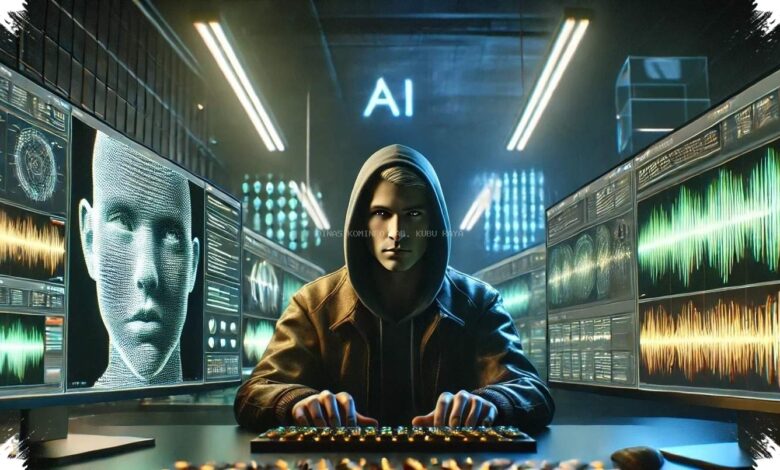
Deepfake content powered by artificial intelligence is increasingly eating into the income of creators and entertainers in Japan. In just two months, the unauthorized use of celebrity faces and voices is estimated to have caused losses of 4.5 billion yen, or about Rp 495 billion.
The scale of the problem is larger than the numbers alone suggest. A recent study found around 335 million social media views for more than 43,000 AI-generated posts suspected of copyright violations, and the total is believed to reflect only cases that were actually detected.
Thousands of Cases Detected in a Short Period
JAPRO recorded 43,483 suspected copyright violation cases tied to deepfake AI over two months starting in June 2025. The violations took many forms, including live-action versions of anime featuring celebrity faces and anime character voices used to sing popular songs without permission.
The financial damage was calculated from the licensing value of a person’s face and voice, along with the advertising value generated by the reach of the content. According to JAPRO, the 4.5 billion yen figure represents only cases that could be found, not the full scale of the damage.
| Data | Amount | Context |
|---|---|---|
| Suspected violation cases | 43,483 | Over two months starting in June 2025 |
| Detected losses | 4.5 billion yen | About Rp 495 billion |
| Social media views | 335 million | From detected AI content |
Entertainment Companies Still Struggle to Respond
A survey of 174 companies in the entertainment industry showed that only about 28 percent said they fully or fairly understood the scale of damage caused by this kind of infringement. Most companies still struggle to track every unauthorized use of their artists’ faces and voices.
The lack of formal guidance makes the situation more difficult. Only 1.1 percent of companies already have official policies in place, while about 52 percent are still considering them and the rest have no plan yet.
Japan Is Starting to Move
In response to the threat, Japan’s Ministry of Justice has formed an expert panel to discuss possible legal action against AI-generated content. The move signals growing concern that the issue is no longer limited to entertainment alone.
Japan’s Fair Trade Commission has also been investigating, since December last year, the use of news content without permission by AI-based search engines. Tekno.kompas.com reported that concern over AI’s impact is now spreading beyond entertainment and into the media sector.
The findings from JAPRO and industry players suggest that Japan’s deepfake problem has become more than a reputational nuisance. When the faces and voices of public figures can be used at scale without permission, the impact is felt directly in the earnings of creators, artists, and the companies that represent them.