


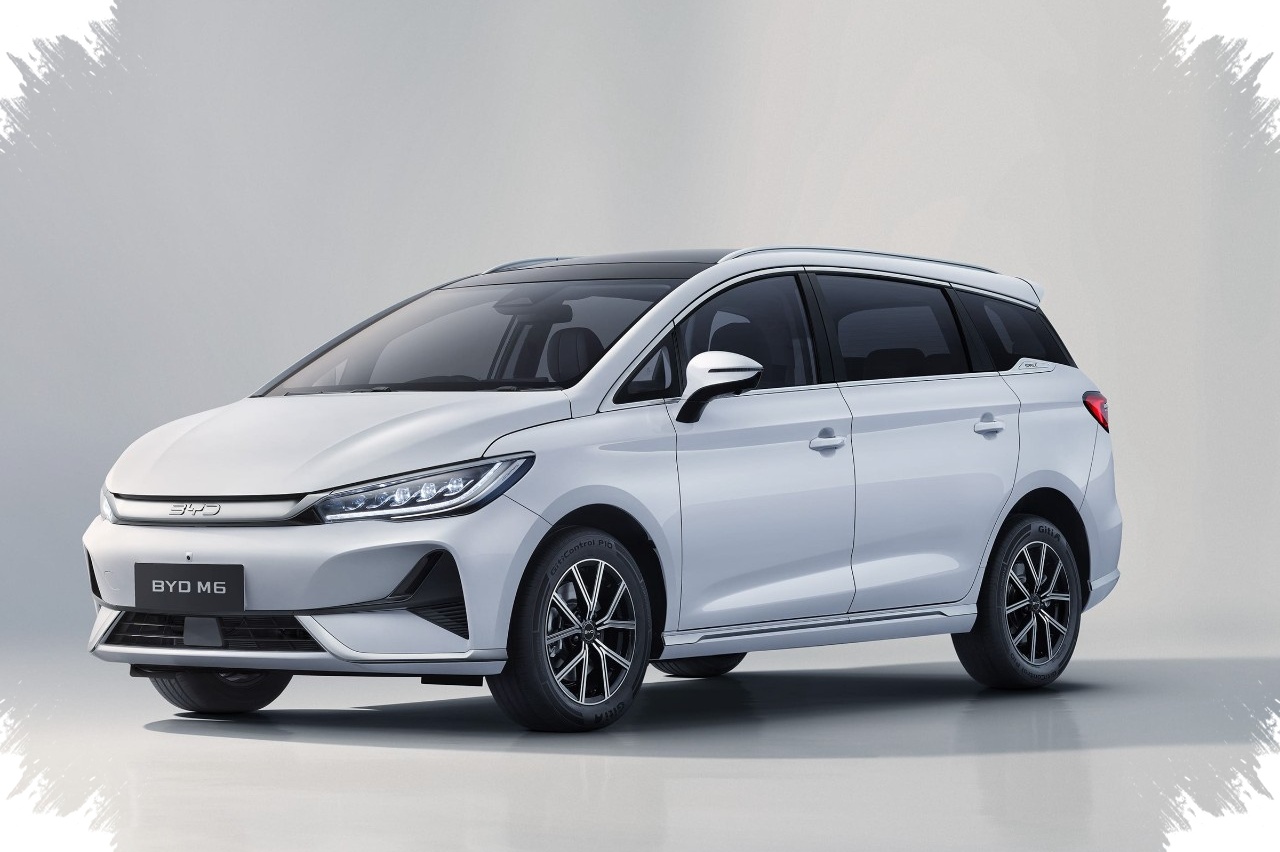
The comparison between BYD M6 and Toyota Veloz Hybrid is shifting from simple efficiency claims to a broader calculation of ownership costs. As tax rules change and maintenance enters the picture, the gap between an electric MPV and a hybrid family car is no longer decided by energy use alone.
That shift matters because the main advantage of EVs has been their financial appeal on paper. Once annual tax treatment is adjusted and servicing is included, the total expense can look different for family car buyers who want predictable running costs.
Tax policy is changing the equation
The biggest pressure point comes from tax. Under Permendagri Number 11 of 2026, electric vehicles are treated as taxable objects with a calculation that is aligned with gasoline-powered vehicles.
For models like the BYD M6, that means the financial edge previously enjoyed by EVs becomes less dramatic. The article source notes that this change directly reduces the dominance EVs once had in ownership-cost comparisons.
In that context, the Toyota Veloz Hybrid begins to look more competitive. Its tax burden is described at around Rp4 million to Rp5 million, while the BYD M6 could reach about Rp7.3 million without incentives if the NJKB is assumed at Rp350 million.
Daily use still shows a narrow energy gap
Even so, the two vehicles remain close in daily operating cost. For a typical driving distance of around 60 km per day, the BYD M6 is said to need about Rp810 thousand per month in electricity.
The Veloz Hybrid, on the other hand, is estimated at around Rp922 thousand per month for fuel. Over a full year, the difference comes to only about Rp1.2 million.
That amount shows that efficiency still matters, but it is no longer enough to settle the entire comparison. Buyers increasingly need to look at the full yearly bill rather than only the cost per kilometer.
Service costs give the hybrid an early advantage
Maintenance is another area where the hybrid has a clear opening. Toyota offers free service for up to three years, which makes first-year maintenance costs for the Veloz Hybrid nearly zero.
The BYD M6 does not have the same setup because it still requires technician service. In the first year, the article source places its service expense at around Rp1 million.
For buyers focused on early ownership costs, that difference is meaningful. A lower service burden can make the hybrid feel easier to adopt, even if its energy cost is slightly higher than the EV.
Incentives still protect the EV position for now
The picture is not fully fixed, however, because local incentives still matter. The source article states that EV owners currently benefit from regional incentives, which can reduce the BYD M6 tax to around Rp443 thousand.
As long as that support remains in place, the BYD M6 still has a very strong position in annual cost comparisons. The model remains attractive for buyers who prioritize lower total spending under existing policy conditions.
If those incentives disappear, the balance could move in favor of the Veloz Hybrid. In that scenario, the hybrid’s lower tax and low initial service cost would become more persuasive than the EV’s modest energy savings.
Convenience also shapes the decision
Beyond the numbers, everyday usability continues to influence buyer preference. An electric car still needs longer charging time, while SPKLU availability remains limited in a number of regions.
The Veloz Hybrid benefits from a simpler ownership pattern because refueling can be done directly at fuel stations. The network is much wider and already familiar to family car users.
That ease becomes especially relevant for long trips, where the hybrid offers a sense of security without demanding special charging planning. The BYD M6 still retains its own appeal through quiet operation and exemption from Jakarta’s odd-even traffic rule.
A comparison that now depends on policy
The result is a contest shaped less by one headline feature and more by regulation, service policy, and daily practicality. A small difference in monthly energy cost is no longer enough to decide the winner.
What now matters most is whether EV tax incentives remain in place. If they do, the BYD M6 can stay highly competitive; if they do not, the Toyota Veloz Hybrid becomes the more rational choice for buyers who focus on controlled annual ownership costs.