The amount on a vehicle tax bill in the 2026 scheme can no longer be read from the main tax line alone. Several components now sit on top of the base charge, and that is why the final payment can rise quietly if owners only check the starting tariff.
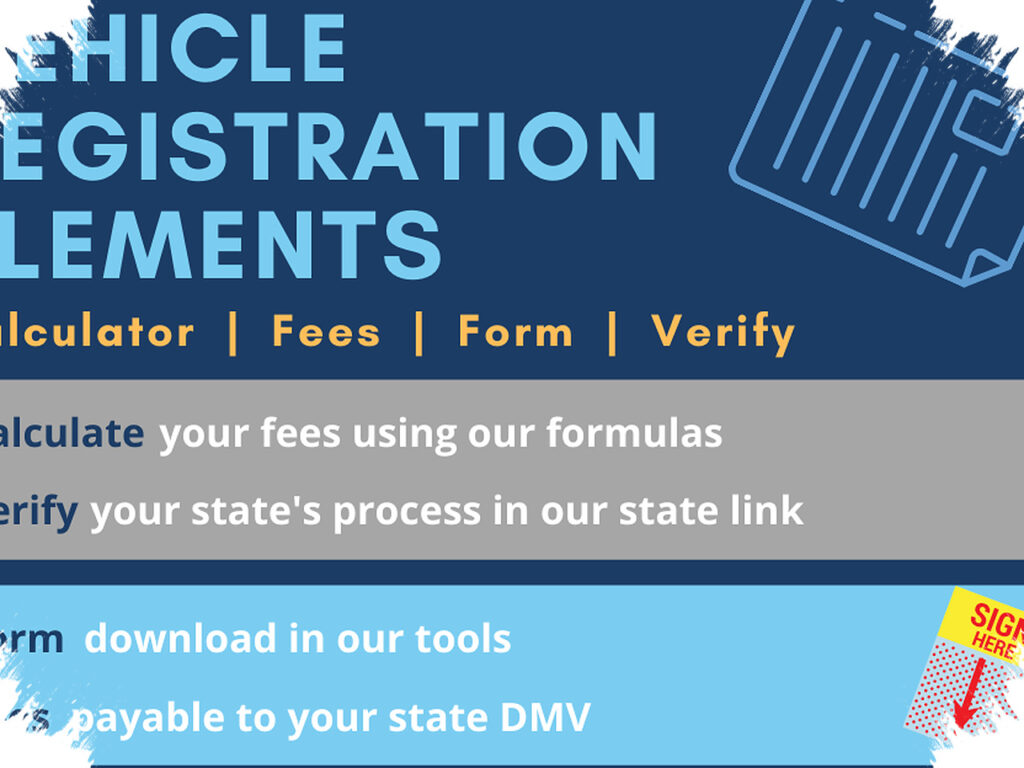
For that reason, vehicle owners are being pushed to calculate the bill in advance rather than wait until the due date. The total is built from NJKB, or the vehicle sales value, then combined with PKB, SWDKLLJ, local tax surcharges, and certain administrative charges when documents are processed.
What makes up the total bill
PKB remains the core element in the calculation. For a first vehicle, the stated rate is 2 percent, then it rises progressively up to 6 percent for a fifth vehicle.
On top of that, a local tax surcharge can add a sizeable amount. The surcharge is set at 66 percent of the PKB owed, so it must be included in any realistic estimate of the final bill.
SWDKLLJ also enters the calculation and cannot be left out. The amount is listed at Rp35.000 per year for motorcycles and Rp143.000 per year for cars.
There are also PNBP charges for certain documents. The figures mentioned include Rp200.000 per year for a car STNK and Rp375.000 for BPKB issuance for five years.
How to estimate it before payment day
The simplest starting point is to find the NJKB of the vehicle. After that, multiply NJKB by the applicable PKB rate based on whether the vehicle is a first unit or falls under the progressive scheme.
Once the PKB value is known, add the 66 percent local surcharge. Then include SWDKLLJ according to the vehicle type, and add any PNBP if administrative documents such as STNK or other paperwork are needed.
The basic annual formula used is: (NJKB x PKB rate) + SWDKLLJ. In practice, owners can use that structure as a first estimate before coming to Samsat or using digital services.
Late payment also needs to be considered early. The penalty is set at 25 percent per year, with a maximum limit of 48 months.
Example for a car
A sample calculation uses a car with an NJKB of Rp200 million. From that value, PKB at 2 percent comes to Rp4.000.000.
The next addition is SWDKLLJ for a car at Rp143.000. After that, the 66 percent local surcharge on PKB adds Rp2.640.000, and PNBP for STNK adds another Rp200.000.
Using those figures, the annual total comes to around Rp6.983.000. The example shows that the final charge is shaped by more than the base PKB alone.
Documents and payment channels
For annual tax payment, physical documents still need to be prepared in full. For individual owners, the required items include the original STNK, the original KTP that matches the vehicle owner, and the original BPKB.
For company-owned vehicles, the requirements are more specific. The documents listed include a copy of the company domicile letter, company NPWP, company SIUP, and company TDP.
Offline payment can be made at a Samsat office or through a drive-thru service. The taxpayer only needs to bring the original documents, complete verification at the counter, and pay the amount shown.
Digital payment is also available through the SIGNAL app. After downloading the app, users register with personal data and a KTP NIK, then add vehicle data using the license plate number.
After the data is entered, users select the “NRKB” menu to see the tax breakdown. If the amount is correct, payment can continue through the available banking channels, and the digital receipt can be saved after the transaction is complete.
E-Samsat can also be used to check the tax amount and due date. These digital services make vehicle tax checks and payments faster without always needing a visit to Samsat.