


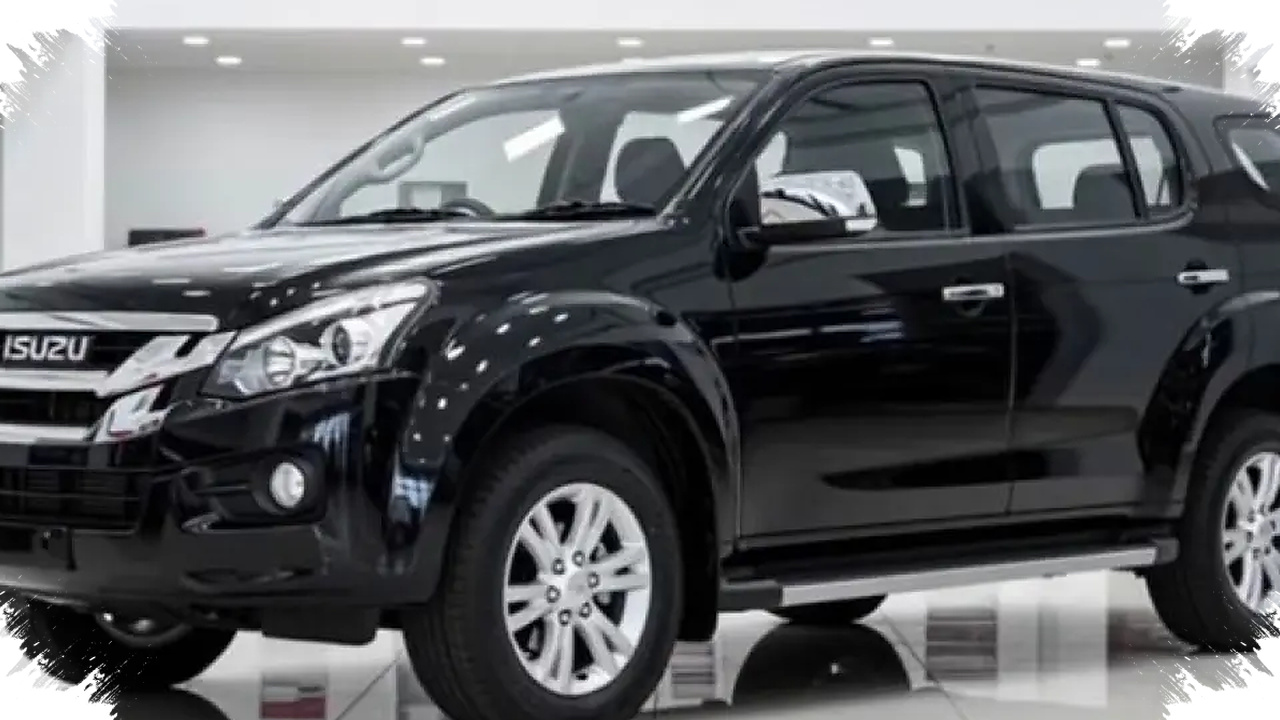
For shuttle and intercity travel operators, the real pressure often comes not from passenger demand, but from how tightly each vehicle can hold operating costs. That is why Isuzu 9 Seater 2026 remains difficult to dislodge from consideration, with its fuel-efficient diesel setup still positioned as one of its strongest business arguments.
The model continues to appeal to operators who want high daily utilization without letting maintenance costs climb too quickly. In that setting, the combination of efficiency, durability, and work-ready character keeps it relevant for transport businesses in Indonesia.
Diesel remains the core advantage
At the center of its appeal is a modern diesel engine with a displacement between 2.5 liters and 3.0 liters. The engine is designed to deliver strong output while still keeping fuel use efficient for routine routes and longer trips.
Common rail diesel technology is one of the most important selling points. By injecting fuel at high pressure, the system supports more complete combustion and better overall performance.
For business users, that translates into three practical benefits at once. The engine delivers steadier power, fuel consumption stays more efficient, and exhaust emissions are lower than with conventional diesel systems.
Comfort is also part of the package
The modern diesel setup is also described as smoother in daily use. Lower vibration and reduced noise help make the ride more comfortable, especially when the vehicle is carrying a full load of passengers.
That matters because travel vehicles are judged on more than operating costs. Passengers also expect a cabin that remains comfortable on medium and long routes.
There is, however, an important note for long-term use. Common rail systems need good-quality fuel so the injectors can stay durable and engine performance can remain stable over time.
Manual transmission still makes sense for operators
While many modern vehicles now emphasize automatic transmission, the manual version of the Isuzu 9 Seater still holds its place. For travel businesses, many operators see that choice as the most practical one.
The reason is straightforward. A manual transmission is considered easier to handle mechanically, and service costs are usually more affordable than systems with greater complexity.
For fleets that need to run every day, that simplicity becomes a major advantage. The risk of electronic issues is also lower, which helps keep vehicles active without long downtime for repairs.
Built for demanding work
Isuzu’s reputation as a diesel vehicle maker with a strong durability image also supports confidence in this model. In the Isuzu 9 Seater, that reputation appears in a robust engine construction intended for heavy use.
The engine block and its main components are designed to handle long-distance travel with a full passenger load. That type of strength is especially important for travel fleets that often work continuously throughout the day.
Even so, durability still depends on routine care. Basic maintenance includes changing the engine oil every 5,000 to 10,000 kilometers and replacing the fuel filter regularly.
Regular checks on the turbo and intercooler are also recommended. The cooling system should be inspected on a scheduled basis as well so performance remains stable under high load.
Still relevant for new business operators
Isuzu also offers an entry-level variant to reach more transport entrepreneurs. That option gives startup travel businesses a more economical way to begin operations while keeping costs under control.
In operational terms, that matters because many new businesses need an efficient vehicle from the start. Keeping expenses in check from the time of purchase can help protect financial health over the long run.
With its fuel-saving diesel engine, durable work character, and manual transmission that still attracts buyers, Isuzu 9 Seater 2026 continues to hold a strong position in the passenger transport segment. For travel and shuttle operators, that formula remains a compelling reason to keep it in the fleet.