A Tamagotchi-style handheld does not have to stay trapped in the past, and CassaGotchi shows how far a nostalgic idea can be pushed with modern maker hardware. Built around a 3D-printed shell and a small Arduino board, the project aims to recreate the feel of a 90s digital pet while still being something enthusiasts can assemble and modify themselves.
What makes the device stand out is that it is not just a decorative tribute. CassaGotchi runs a Tamagotchi emulator, so the experience is meant to feel closer to the original toy rather than a new pet game that only borrows its look.
A retro design built from modern parts
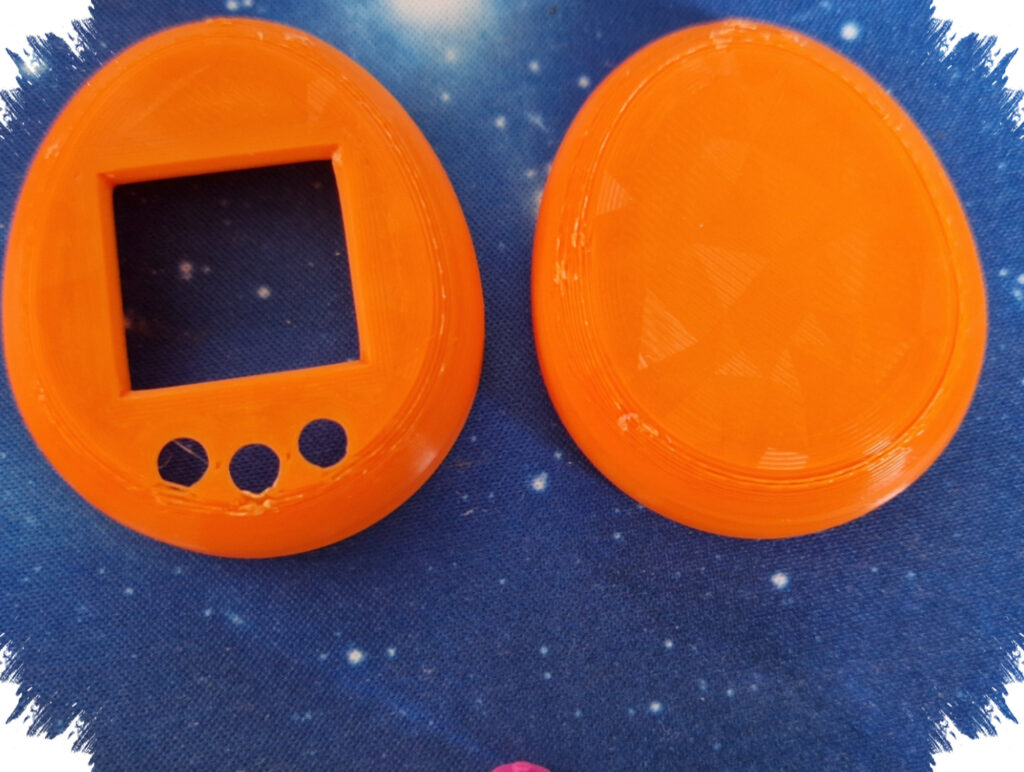
The project uses an Arduino Nano as its core, placing it inside a compact chassis and shell printed in 3D. That choice keeps the device small enough for portable use while preserving the rounded, toy-like profile associated with classic Tamagotchi hardware.
Chaos Theory, the maker behind the project, designed the body to evoke the familiar appearance of the 1990s handheld. The result is a device that looks playful from the outside but is also built to function as a real digital pet rather than a display piece.
Software matters as much as the shell
CassaGotchi relies on ArduinoGotchi software adapted for the Nano. The firmware is based on GPL-licensed code originally created by Gary Kwok, then modified so it could work on a more compact handheld platform.
That software choice is important because it pushes the project beyond simple imitation. Instead of building a new pet game inspired by Tamagotchi, the project uses an emulator to stay closer to the behavior and feel of the original experience.
Not a pure plug-and-play build
Despite its small size, the project is not meant to be a quick assembly for beginners with no hardware background. Chaos Theory has openly noted that the 3D files still have room for improvement, which means the build may need adjustments during the process.
That makes CassaGotchi more suitable for people who already understand Arduino coding, basic electronics, and 3D modeling. Builders should also be prepared to tweak the code and refine the printed parts so the device fits together properly.
Parts and tools needed
The component list stays fairly accessible for maker projects, but it still calls for careful assembly. The required items include an Arduino Nano, a 3.7V lithium-polymer battery, and a 168×64 OLED display.
Other necessary items include screws, a small screwdriver, a multimeter, hot glue, and a 3D printer. The printer is especially important because the device’s final look depends on the printed chassis and shell.
Why the project has drawn attention
Hackster.io highlighted the build because it combines nostalgia with real technical experimentation. The appeal is not only in the retro styling, but also in the fact that the device actually works as a handheld digital pet.
For DIY fans, that combination is the key attraction. A small board, a compact display, and a mini battery can be turned into a portable device that feels familiar to anyone who remembers the early Tamagotchi era.
CassaGotchi also shows how much room there is for customization in small-scale hardware projects. Builders can refine the enclosure, adjust the firmware, and make the internal layout fit their own approach before the handheld is ready to use.