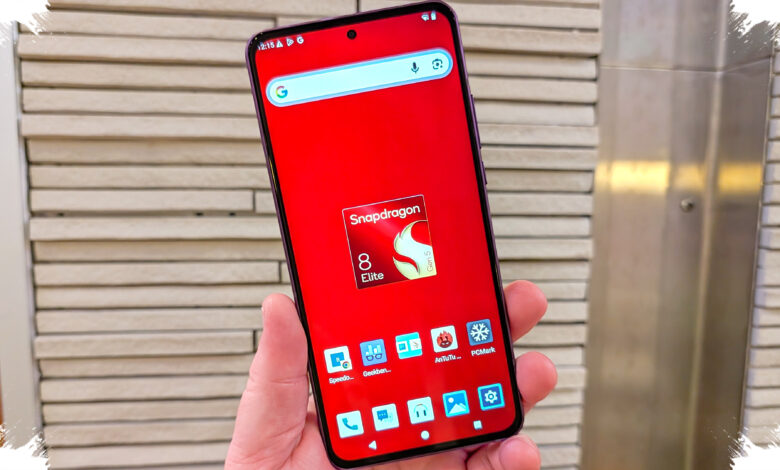
Snapdragon 8 Elite Gen 5 is now appearing in more flagship phones, but the real difference lies in how each brand packages the chip. Some models lean on battery life and long software support, while others push camera hardware or gaming performance much harder.
That makes this group of five interesting for different reasons. There is a clear all-around choice, a battery-first camera flagship, a balanced value option, and an unapologetic gaming machine for users who want maximum speed.
Quick comparison of the 5 best Snapdragon 8 Elite Gen 5 phones
| Model | Main Strength | Battery | Rear Camera Setup |
|---|---|---|---|
| Samsung Galaxy S26 Ultra | Bright display, 7 years of software support, faster chipset version | 5000mAh | 200MP + 10MP 3x + 50MP 5x + 50MP ultrawide |
| Oppo Find X9 Ultra | Large battery, strong outdoor screen, highly complete camera system | 7050mAh | 200MP + 200MP 3x + 200MP 10x + 50MP ultrawide |
| Xiaomi 17 Ultra | High camera detail, 8K recording, good all-day endurance | 6000mAh | 50MP + 200MP 3.2-4.3x + 50MP ultrawide |
| OnePlus 15 | Lowest price in this group, large battery, very fast charging | 7300mAh | 50MP + 50MP 3.5x + 50MP ultrawide |
| Nubia RedMagic 11S Pro | Gaming focus, active cooling, faster chip version | 7500mAh | 50MP + 50MP ultrawide + 2MP macro |
Samsung Galaxy S26 Ultra stands out as the easiest recommendation for most buyers. It combines a 6.9-inch Dynamic LTPO AMOLED 2X display, high brightness, and a 5000mAh battery that is claimed to last more than a day.
Samsung also gives it the most complete everyday flagship package in this list. The phone carries a 200MP main camera, a 10MP telephoto with 3x optical zoom, a 50MP periscope telephoto with 5x optical zoom, a 50MP ultrawide camera, and a 12MP front camera.
Oppo Find X9 Ultra takes a different route by prioritizing endurance and imaging hardware. Its 7050mAh battery is said to last up to two days in normal use, while the 6.82-inch LTPO AMOLED screen is built for strong color and outdoor visibility.
The camera array is the headline feature here. Oppo pairs two 200MP sensors with two 50MP sensors, including a 50MP front camera, which makes the phone especially strong for photography and video in changing light conditions.
Xiaomi 17 Ultra sits in the same premium class but leans harder into camera detail and creator-friendly features. It uses a 6.9-inch LTPO AMOLED display, a 6000mAh battery, and fast charging support, so it remains practical for heavy daily use.
The camera system is designed to deliver sharp detail, accurate color, and strong clarity. It can record video in up to 8K, and its 50MP front camera also supports recording up to 4K, making it a serious option for content work.
OnePlus 15 is the most accessible option in the group for buyers who want Snapdragon 8 Elite Gen 5 without chasing the most expensive extras. Its 6.78-inch LTPO AMOLED display offers a 165Hz refresh rate and Ultra HDR support.
Battery life and charging are major selling points. The phone uses a 7300mAh battery with 120W charging, while the rear camera system includes three 50MP sensors for wide, 3.5x periscope telephoto, and ultrawide shots, plus a 32MP front camera.
Nubia RedMagic 11S Pro is the most aggressive choice for gaming. It uses the Snapdragon 8 Elite Gen 5 Leading Version with a higher clock speed, alongside a RedCore R4 Gaming chip that handles secondary tasks such as audio and vibration.
Its cooling setup is built to keep performance steady during long sessions. Nubia uses a 24,000 RPM turbo fan, liquid metal thermal interface, and a 13,116 sq. mm vapor chamber, while also adding dual pressure-sensitive touchpads on the frame and a 6.85-inch AMOLED display.
For buyers deciding between them, the choice is fairly clear. Samsung is the safest all-round pick, Oppo is the strongest for battery and camera ambition, Xiaomi offers a complete flagship balance, OnePlus is the most practical value play, and RedMagic is aimed squarely at users who want the most extreme gaming setup.