A convincing phishing email no longer needs to look sloppy to be dangerous. Today, the biggest risk often comes from a message that appears polished enough to make a recipient click without hesitation.
That single click can expose passwords, credit card details, and even OTP codes. Because email is still used for both work and digital transactions, the inbox has become one of the easiest places for attackers to target.
Phishing is a fraud technique that tricks people into handing over confidential information through fake emails. The term comes from “fishing,” because attackers cast out bait and wait for users who are not alert enough to take it.
Modern phishing often relies on social engineering. The message is designed to look like official communication from a trusted institution, so the recipient lowers their guard and follows the instructions inside.
How attackers make the message look real
One common tactic is email spoofing, which makes the sender’s domain look similar to that of a large company. At a glance, the difference can be so small that many users do not notice it.
Attackers also use multiple fake domains to avoid standard anti-spam detection. That method helps them push victims toward counterfeit websites that are built to collect personal data.
The deception does not always look messy or rushed. Many phishing emails now appear formal and neat, closely copying the style used by financial institutions and well-known e-commerce platforms.
Signs that still deserve attention
Even when the layout looks convincing, the sender’s address can reveal a problem. A suspicious email from a major institution often uses a free domain instead of an official company domain.
Links inside the email also need a careful check. If the structure looks unusual or slightly different from the real address, the message should be treated with caution.
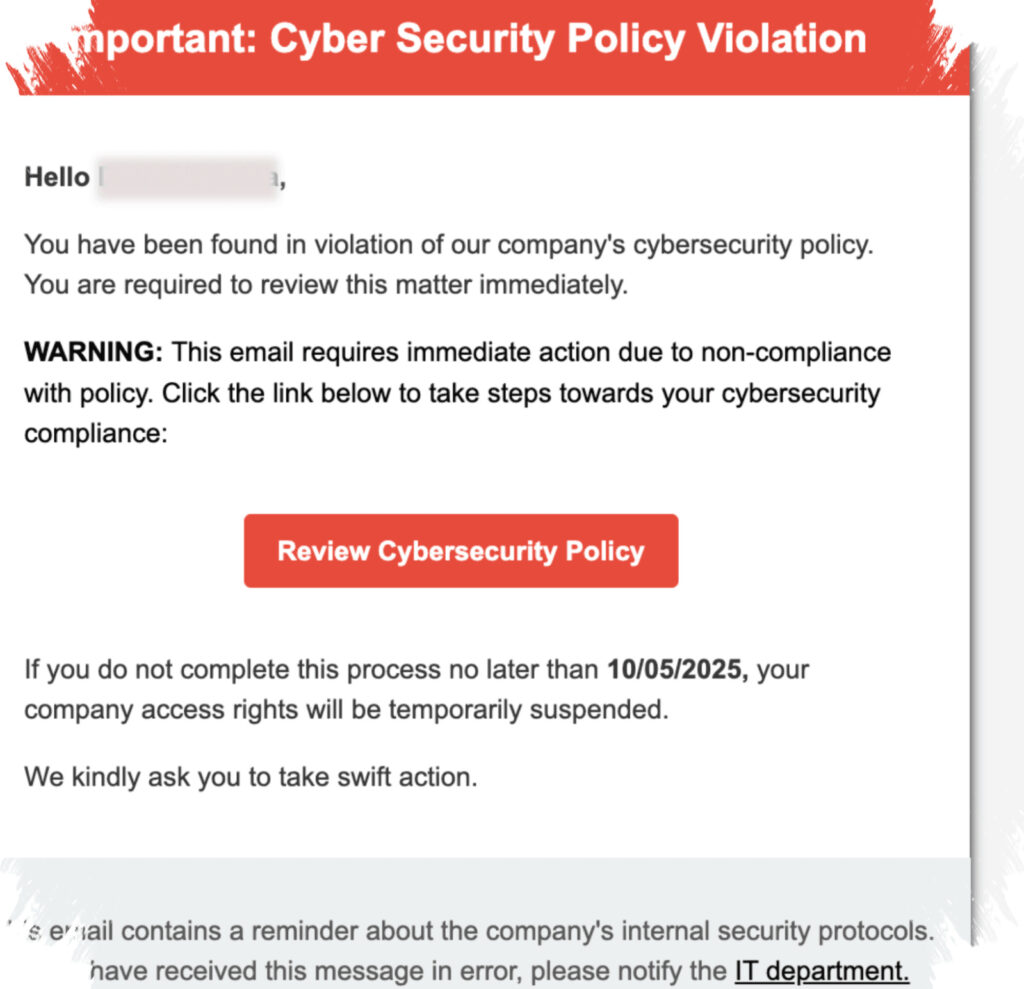
Pressure is another warning sign. Threats such as account suspension are often used to trigger panic and make people act before they inspect the message properly.
The main forms of phishing
Phishing is not a single method with one target. Spear phishing focuses on specific individuals after attackers gather personal information about them first.
Whaling works differently because it aims at company executives or other important decision-makers. Clone phishing is also dangerous because it copies an email the victim has already received, then changes the attachment into a malicious file.
Although the methods differ, the goal stays the same. Attackers want access to sensitive data and financial assets, which means both individuals and companies can become targets.
Basic steps that reduce the risk
Verification remains the most important habit. Before downloading attachments or clicking any button, the sender’s address should be checked carefully.
Official institutions also do not ask for PINs or OTP codes through email or text messages. If a message requests those details, it should be treated as suspicious.
Two-factor authentication can add another layer of protection when an account is at risk of being accessed by someone else. Keeping devices protected with updated antivirus software also helps detect dangerous files sooner.
Anti-spam features in email services can filter harmful messages before they reach the inbox. Combined with careful reading and routine verification, these tools can lower the chance of falling for phishing.
In a digital environment where email is used for both business and financial activity, basic security awareness matters more than ever. Recognizing phishing signs is one of the most practical ways to protect privacy, account access, and sensitive financial information.