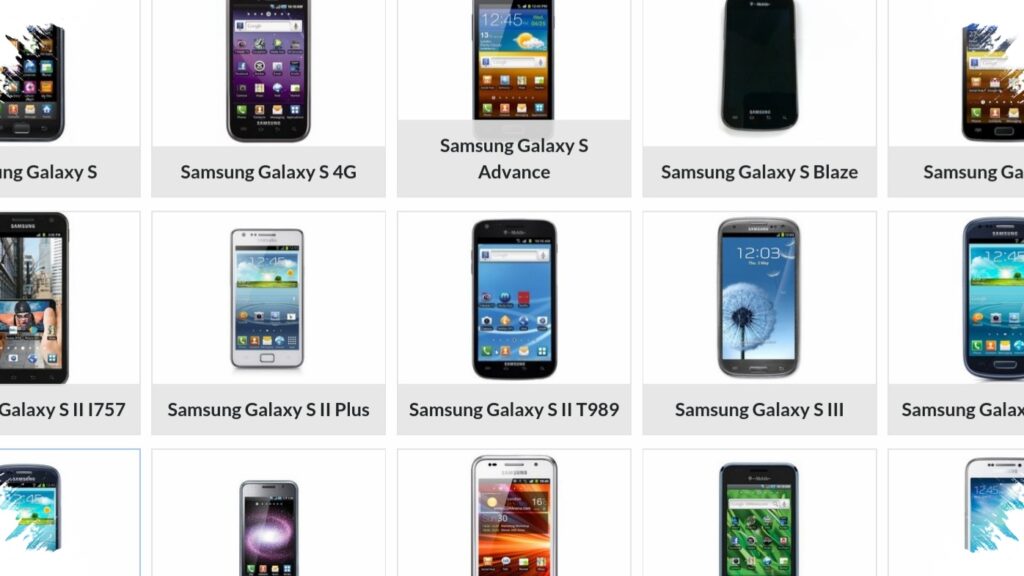
Buying a used Samsung Galaxy S phone in 2026 is no longer a simple matter of choosing a former flagship. Some older models now carry practical risks that can affect daily use, from battery wear and display failures to software support that has already ended.
That is why the safest-looking option on paper can become a weaker purchase in real life. Several Galaxy S devices still work as secondary phones, but the list of models worth trusting as a main handset has become much shorter.
The biggest warning sign: aging hardware that no longer behaves like a flagship
The most immediate concern in the older Galaxy S family is the display. Galaxy S20 units have faced reports of green line, green screen, and flickering problems highlighted by SamMobile and PhoneArena, and those issues tend to become more likely after years of use.
For buyers considering a unit that is already more than five years old, the risk is not minor. AMOLED panel repair can cost millions of rupiah, and that makes a seemingly premium bargain far less attractive once the screen starts failing.
Galaxy S21 loses much of its appeal once updates stop
The Galaxy S21 series is now around five years old, and Samsung has stopped delivering software updates for the line. That changes the experience in a meaningful way, because the phone no longer receives new system versions or the security support that many buyers expect from a main device.
Without ongoing updates, the handset becomes more exposed to security threats and viruses. TechRadar notes one exception in the family: the Galaxy S21 FE still gets support for a longer period than the rest of the S21 lineup.
Older flagships that still look premium, but age is catching up
The Galaxy S10 series still has several features that look appealing on a spec sheet. It offers an AMOLED display, a telephoto camera, an iconic design, and premium materials such as Gorilla Glass 6.
Even so, its 2019 launch date now puts it at roughly seven years old. UpTrade and Black Market point to weak battery life, the lack of 5G, and software support that ended long ago, all of which limit how practical it is by 2026.
Galaxy S9 is even harder to justify for everyday use
The Galaxy S9 sits in an even weaker position. Its 5.8-inch screen is small by modern standards, and its Exynos 9810 or Snapdragon 845 chipset now lands in a much lower performance tier.
In practical use, that translates into lag, sudden app crashes, and noticeable heat during heavy workloads. The phone also lacks 5G, no longer receives software updates, and uses a small battery that cannot comfortably last through the day.
Galaxy S23 FE is newer, but not everyone sees it as a true flagship experience
The Galaxy S23 FE is a different case because it arrived in 2023 and still brings respectable hardware. It includes the Exynos 2200, a Dynamic 2X display, and a telephoto camera with 3x optical zoom.
Its main problem is perception and design. GSMArena describes the thick bezels as the biggest weakness, and the overall look is said to resemble a cheaper phone such as the Galaxy A54, with a vertical triple-camera arrangement and rounded frame reinforcing that impression.
What ties these models together
Across the list, the warning signs are consistent. Older batteries, vulnerable displays, and software support that has already ended are the most common reasons these phones become less suitable as a primary device.
For 2026, the Galaxy S20 series, Galaxy S21 series, Galaxy S10 series, Galaxy S9, and Galaxy S23 FE can still make sense in limited roles. As a main phone, though, each carries enough compromise that safer choices are easier to find.