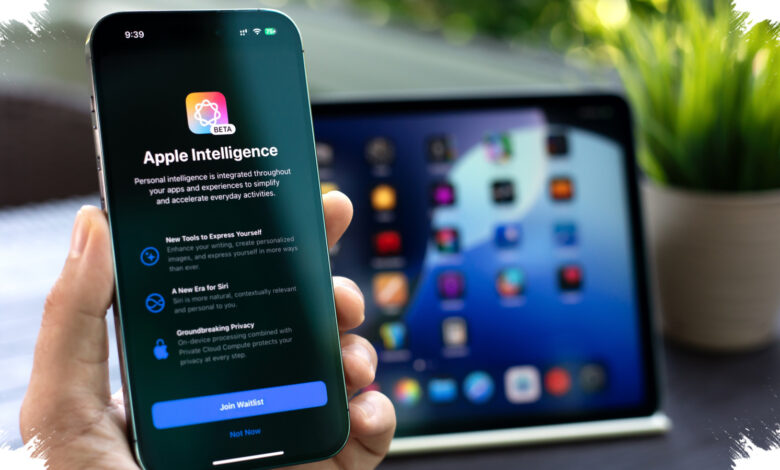
Apple Intelligence has cleared a major regulatory hurdle in China, opening the door for one of Apple’s most important AI expansions outside the United States. Even so, approval does not mean the feature is ready to launch immediately.
China still requires generative AI services to complete local registration before publication, which means Apple must continue working through a tightly controlled approval process. That leaves the timing of availability uncertain, despite the latest green light from regulators.
Local Partners Will Shape Apple’s AI Strategy
The rollout in China will depend on Alibaba and Baidu, reflecting how Apple is adapting its AI plans to meet local rules. According to Reuters, cited by www.gadgets360.com, the Cyberspace Administration of China has approved Apple’s on-device generative AI service for iPhone use in the country.
Alibaba said its Qwen large language model will power Apple Intelligence across iOS, iPadOS, macOS, and visionOS in China. The model is expected to handle text and image understanding and generation, making it central to Apple’s local AI deployment.
| Company | Role in China | Details |
|---|---|---|
| Alibaba | AI model provider for Apple Intelligence | Qwen supports iOS, iPadOS, macOS, and visionOS |
| Baidu | Feature development partner | Confirmed it is working with Apple for iPhone users in China |
Baidu also confirmed that it is collaborating with Apple to develop Apple Intelligence features for iPhone users in China. Together, the two companies show how Apple is relying on local technology partners to navigate the country’s AI environment.
Why China Still Matters For Apple
Apple has not said when the service will actually become available, and the Cyberspace Administration has not announced a launch schedule. That means the approval is important, but it is only one step in a longer path.
Apple first introduced Apple Intelligence in 2024, yet the service had remained absent from China because generative AI platforms must receive approval before public release. Chinese authorities also require large language models and AI services to be registered in advance.
The stakes are high because China remains one of Apple’s most important smartphone markets. Apple recently reported a 24.4 percent year-on-year increase in shipments in China in the second quarter, a sign that demand is improving.
That momentum gives Apple a stronger position, but the company still has to wait for the final stages of the local process to move forward. For now, the biggest regulatory barrier has been removed, while the path to a full launch remains unfinished.