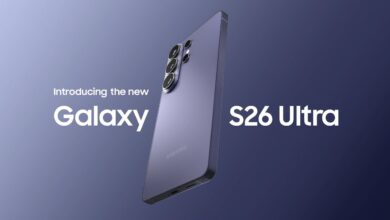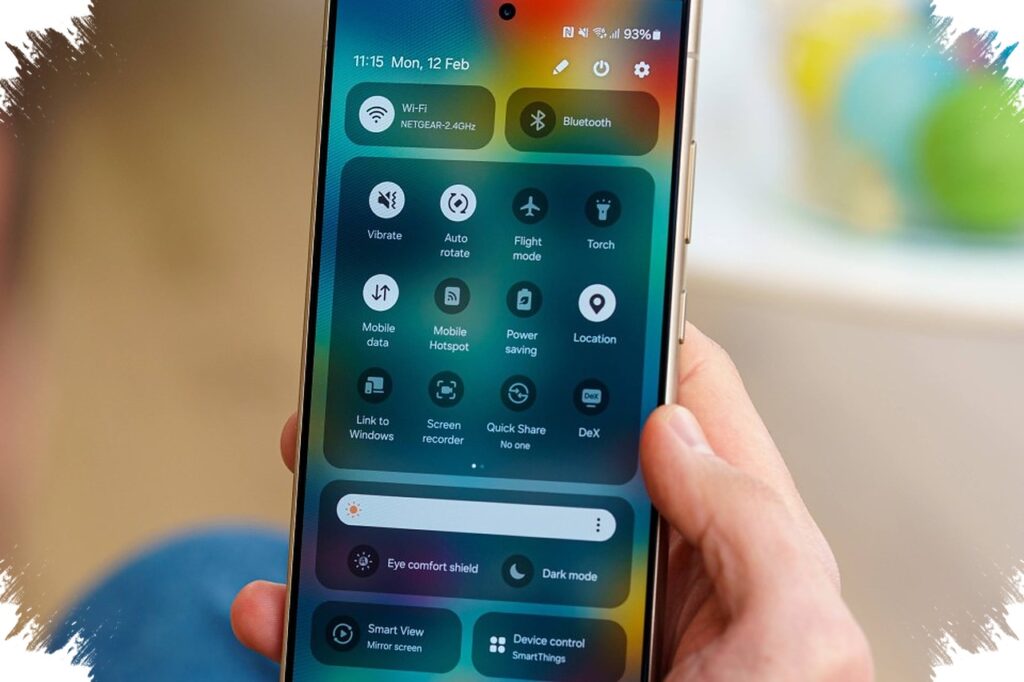
Samsung is widening access to AI tools that were once associated with the Galaxy S26, and the change is now arriving through the One UI 8.5 beta. For owners of the Galaxy S24 and Galaxy Z Fold7, that means earlier access to several premium software features, provided they are enrolled in the beta program.
The update can be downloaded over the air on eligible devices through Settings > Software update. Rather than limiting the newest Galaxy AI capabilities to the latest hardware, Samsung is using the beta channel to push selected features to earlier flagship models and narrow the software gap across its premium lineup.
AI features arriving in the beta
The latest beta build includes several additions that stand out for daily use. Samsung has brought in Creative Studio, Call Screening, improved Photo Assist, and a refined version of Audio Eraser.
Creative Studio is especially notable because it is part of the Galaxy AI package previously linked to the newer Galaxy S26 generation. The other features focus on practical tasks, with Call Screening handling incoming calls, Photo Assist improving photo editing, and Audio Eraser working on cleaner audio results.
This mix of tools suggests Samsung is not only refreshing the interface, but also expanding the capabilities of devices that are already on the market. For users, the effect is immediate: the Galaxy S24 and Galaxy Z Fold7 now gain a more advanced AI experience without waiting for the next device release.
Beta users get first access
For now, these features are limited to users who have joined the beta program. That means the update is not yet available to everyone, even though Samsung has already made the package available on supported devices.
Samsung says the same features are expected to arrive in the stable One UI 8.5 build when the public release rolls out. In that sense, the beta serves two purposes at once: it gives enthusiasts early access, and it lets Samsung test the new functions before pushing them to a much wider audience.
That approach also helps explain why the beta matters even beyond early adopters. It often becomes the first step in distributing features more broadly, especially when Samsung wants to make sure new AI functions behave as intended before the final release.
Why the update matters for flagship owners
The move also reflects a broader strategy around software support. By extending Galaxy AI features to older flagship models, Samsung is making premium phones feel more current through software rather than relying only on new hardware launches.
That can be important in a market where AI features are increasingly treated as a major selling point. Instead of creating a sharp divide between new and previous models, Samsung is reducing the distance between generations and giving existing users a stronger reason to stay within the ecosystem.
For Galaxy S24 and Galaxy Z Fold7 users, the benefit is not just about added functions. It also reinforces the idea that premium devices can keep gaining value after purchase, as long as Samsung continues to deliver meaningful updates through One UI.
Photo and audio tools stand out most
Among the new additions, Photo Assist and Audio Eraser are likely to draw the most attention. Both focus on media processing, which remains one of the most visible parts of the Galaxy AI experience.
Photo Assist is listed as being enhanced, which points to better editing support for images. Audio Eraser has also been improved, making it more relevant for users who want to reduce unwanted background sound in recorded content.
Call Screening adds another layer of convenience by helping filter incoming calls. Combined with Creative Studio, the beta shows that Samsung is treating AI as a core part of the flagship experience rather than a secondary feature layered on top of the software.
For Galaxy S24 and Galaxy Z Fold7 users who are already in the beta program, One UI 8.5 offers an early look at how Samsung plans to spread its latest AI tools across more devices. If the stable build follows the same path, the difference between older and newer Galaxy flagships could become even smaller, with software improvements doing much of the work once reserved for new hardware launches.