
Foldable phones promise a large display in a compact body, but that design also makes them more vulnerable to everyday misuse. Their hinges and flexible screens are far more sensitive than those on standard smartphones, so small mistakes can shorten their lifespan quickly.
That risk matters because foldables are premium devices, and repairs can become expensive if the screen or hinge starts to fail. Several habits that seem harmless at first glance can create long-term damage that is easy to avoid.
| Habit | Main Risk | Safer Approach |
|---|---|---|
| Placing the phone on dirty surfaces | Dust or sand entering the hinge | Avoid dusty or sandy areas |
| Pressing too hard on the screen | Permanent marks on the flexible panel | Keep hard objects away from the display |
| Opening and closing it with a flick | Extra strain on the hinge | Fold it slowly with both hands |
| Folding it repeatedly without need | Wear on the hinge and screen crease | Open it only when necessary |
| Using it open with one hand | Higher fall risk and uneven pressure | Use a grip accessory if needed |
| Closing it with objects still on the screen | Panel damage from trapped items | Check the screen before closing |
| Ignoring unusual hinge noise or motion | Early damage that can worsen | Have it checked by official service |
1. Dirty Surfaces Can Quietly Become a Major Problem
The hinge is one of the most critical parts of a foldable phone because it must work with precision every time the device opens and closes. When dust, sand, or small bits of dirt get into the mechanism, the movement can become less smooth and the folding action can start to feel off.
In more serious cases, the hinge may begin to creak. If dirt has already entered the mechanism, repeatedly forcing the phone open and closed can make the damage worse instead of solving it.
2. Pressure on the Flexible Screen Is Still a Threat
Foldable displays use ultra-thin glass and flexible layers so they can bend without breaking, but that does not make them durable against hard pressure. The panel is still softer than a conventional smartphone screen and can keep permanent marks if it is pressed too strongly.
Keys, coins, pens, fingernails, and other hard objects can leave damage that is difficult to remove. On a foldable device, screen repair is also more complicated because the display is closely tied to the hinge system.
3. Quick Flicks Put More Stress on the Hinge
Opening or closing the phone with a snapping motion may feel convenient, but the sudden movement places heavier stress on both the hinge and the flexible screen. It also forces internal components to absorb unnecessary impact.
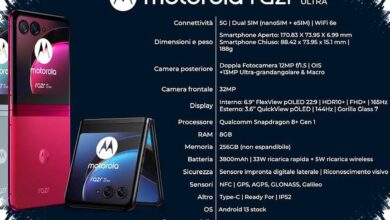
The risk rises further if sand or dust is trapped in the folding gap. For that reason, a slow motion using both hands is a much safer habit for devices such as the Motorola Razr Ultra.
4. Repeated Folding Without Need Adds Wear Over Time
Foldable phones invite users to open and close them often, especially when they are new. That behavior, however, can accelerate wear on the hinge and the crease area if it happens too frequently.
An extreme test discussed by www.beritasatu.com on the Galaxy Z Fold 7 showed that the device began to develop issues after around 6,000 folds. As the number of folds increased, a creaking sound appeared from the hinge and the speaker eventually failed, even though the OLED screen was still working well.
5. One-Handed Use While Open Raises the Chance of Drops
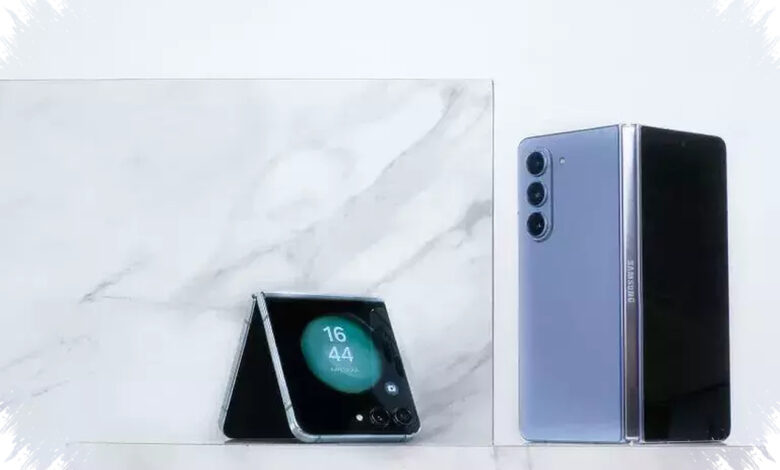
Book-style foldables such as the Samsung Galaxy Z Fold 7 and Google Pixel 10 Pro Fold offer an approximately eight-inch display when opened. That larger size makes them much harder to hold securely with one hand than a normal smartphone.
The position also creates uneven pressure on the hinge and increases the chance of slipping from the hand. If one-handed use is unavoidable, a ring holder, phone grip, or strapped case can help reduce the risk of a fall.
6. Closing the Phone With Items Still on the Display Can Cause Damage
Food crumbs, fine sand, coins, cards, earphone cables, and even pen tips can become serious problems if they remain on the main screen when the device is folded. The pressure from both sides can push those objects into the flexible panel and leave permanent marks.
In some cases, the protective layer can be damaged and the OLED panel may also be affected. A quick check before folding the phone shut is one of the simplest ways to avoid that kind of damage.
7. Strange Hinge Noise Should Not Be Ignored
A hinge that starts to creak, feels stiff, or moves more heavily than usual is often an early warning sign. The cause may be dust, component wear, or internal damage that is already developing inside the mechanism.
If those symptoms appear, forcing normal use can make the problem worse and may eventually affect the flexible display. The safest step is to bring the device to an official service center before the issue spreads further.
Foldable phones offer a different kind of experience, but their durability depends heavily on daily habits. Avoiding these seven mistakes can help the device stay usable longer and reduce the chance of preventable damage.